


It may surprise some, but finding the right pillow for your needs can be key to more restorative rest. In my years of reviewing sleeping products, I’ve found that beyond basic comfort and pressure relief, pillows can help maintain spinal alignment and relieve neck and shoulder pain (plus hip, knee, or lower back pain for some sleepers).
They can also be a crucial tool during pregnancy (with body pillows helping you stay on your left side) and can even help you adjust your sleeping patterns during injuries or when snoring starts to affect your partner. Furthermore, if you’re a hot sleeper or struggle with allergens, your pillow’s materials may even ease or worsen these issues.

With that said, just like a mattress, your pillow choice should match your sleeping position. Its firmness, loft, and materials should align with whether you sleep on your side or back, or toss and turn throughout the night.
For example, back sleepers should use a pillow with the right loft to maintain healthy cervical spine alignment in the neutral position of resting on their back, while side sleepers can use a pillow between their knees to prevent painful knee rubbing, hip misalignment, or lower back pain while resting.
In this guide, I’ll share my research on the world of pillows and present everything I discovered in the hope of helping you find the right one to improve your sleep quality.
How You Sleep Determines the Best Pillow for You
Your sleeping position (or positions) is the most basic and important part of finding the right pillow. Below, I’ll break down which pillow type each sleeper should keep in mind.
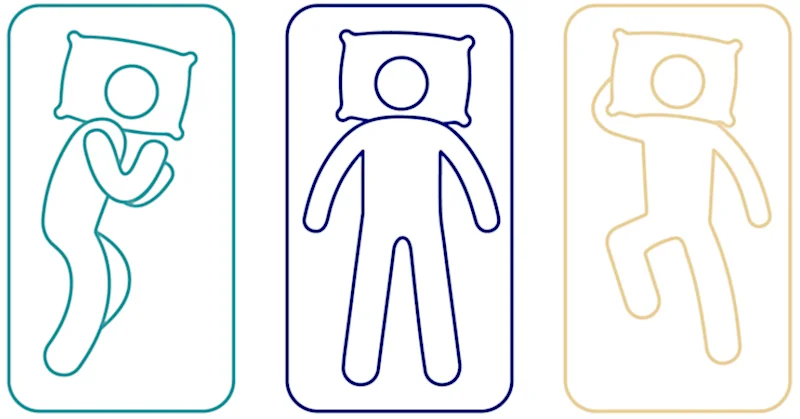
Back sleeping: Studies suggest that the even weight distribution and more natural spinal alignment offered by back sleeping make it one of the best positions for avoiding back pain and getting the best night’s rest. According to Dr. Dasgupta, MD, FACP, FCCP, FAASM, in a CNN interview about back and neck pain, “The ideal position is to sleep on your back on a pillow that allows your neck to be positioned so you’re looking straight at the ceiling.”
This means that a medium-firm pillow with medium loft that aligns your cervical spine with the rest of your spine while adapting to the natural curve of your neck is likely the best option for back sleepers.
Side Sleeping: Bridging the gap between the ear, shoulder, and mattress is a crucial role the pillow plays when helping side sleepers get proper spinal alignment and comfort. There are specialty side-sleeper pillows, but as a general rule, side sleepers are going to want a mid-loft (4” to 5”) to high-loft pillow (6” and above) that is firm enough to hold the head aligned in place, without being so firm it compromises comfort.
Additionally, side sleepers may want to use a standard soft pillow or a body pillow between their knees to prevent pressure from building up in their joints as the weight of one side pushes down on the other. I personally like softer but lofty pillows for this, where my knees can compress into the pillow, but it stays in place while I sleep.
Stomach sleepers: Low-loft, non-firm pillows (such as down pillows) for basic soft comfort are best for stomach sleepers. Stomach sleepers do not want to lift their heads too much while they rest because it disrupts their cervical spine alignment. Additionally, pillows can support your hips while sleeping on your stomach. Placing a low-loft pillow under your hips can help prop them up to be more aligned with your spine. This is especially helpful for stomach sleepers who are sinking into an unsupportive mattress.
Combination sleepers: If you are prone to changing sleeping positions, you’ll want a versatile pillow. I suggest keeping wedge pillows, body pillows, and standard pillows on standby. But if you’re watching your budget and don’t have space for such a pillow arsenal, shredded memory-foam pillows with adjustable loft are probably the best investment.
These types of pillows allow you to adjust loft accordingly if you find yourself on your back one night and on your side the other. These adjustable pillows are great for combination sleepers not only because they offer manual loft adjustment, but also because they allow for customizable firmness.
Understanding Pillow Loft
Pillow loft is also called pillow height. A pillow’s loft is defined by how tall its fill makes it, based on the amount of foam, down, or other pillow materials used in its construction to provide comfort and support.

At Mattress Clarity, we assess pillow loft as low (no taller than 3”), mid (4” to 5”), and high (6” and above).
Building on what I wrote earlier about matching sleeping positions with the right pillow loft, I’ve matched the best pillow loft for each sleeper type below.
- Back sleepers should choose mid-loft pillows that keep their chin in line with their chest and their cervical spine aligned with the rest of their spine.
- Side sleepers should opt for high-loft pillows to prevent their heads from sinking into the mattress or sagging downward, which can compromise spinal alignment.
- Stomach sleepers should seek a low-loft pillow to keep their head aligned with their hips. Technically, stomach sleepers can even sleep without a pillow and focus on finding the right flat pillow to place under their hips to help keep their hips aligned with their upper body.
- Combination sleepers should consider a pillow with adjustable loft, which lets them remove the filling and adjust to their preferred loft.
Pillow Firmness
While we don’t use a pillow firmness scale as we do with beds at Mattress Clarity, we equate support with firmness and judge pillows as soft (best for stomach sleepers), medium-firm (best for back sleepers), and firm (best for side sleepers). Furthermore, if you’re a combination sleeper or want some firmness versatility in your pillow, I suggest opting for a pillow that allows you to adjust the firmness.
Down pillows tend to be the softest, while memory-foam pillows tend to offer a more medium firmness, with latex pillows offering an even firmer feel. I’ll break down more about this in the section below.
Pillow Fill and Materials
Like mattresses, pillows come in different materials. Below, I’ll go through the different types of pillows by construction and their potential benefits.
Memory foam: Single or shredded memory foam pillows are typically made with polyfoams or gel-infused memory foams. These pillows offer firmer comfort and support than down pillows, but still offer great contouring and squishy-like responsiveness to your head and neck’s shape. They are often available in all firmness options. Notably, many pillows with shredded memory foam let sleepers adjust the loft by removing some of the fill, making them more customizable.

Down: Down pillows are made from the soft undercoat of birds, and sometimes include standard bird feathers. These pillows are known for offering an “airy” feel and super-plush comfort. These pillows tend to be less firm than foam-based pillows and need some manual fluffing to help adapt to your neck, shoulders, and head. Consequently, down pillows tend to offer more comfort than support, but can be great for stomach sleepers.
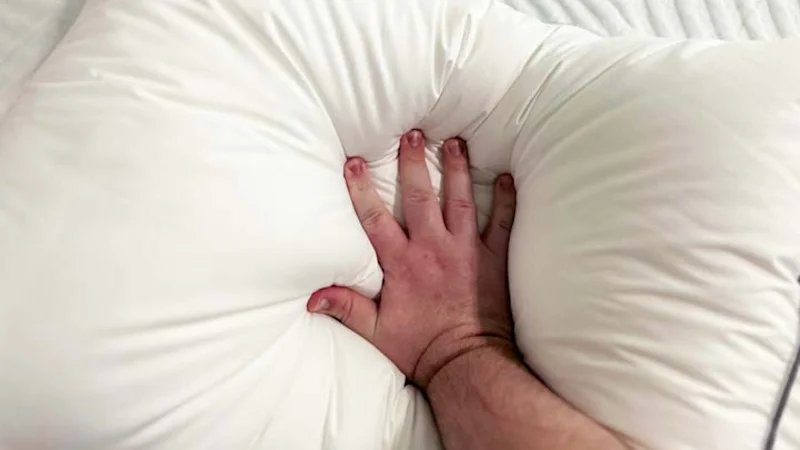
Down-alternative: These pillows resemble the “airy” plush comfort of real down pillows, without using animal products. They are a more hypoallergenic option for sleepers who may have allergies to bird down or feathers, and a non-animal product option for sleepers who would rather not use real bird down or feather pillows. In some cases, companies add foam to down-alternative pillows to enhance support.

Latex: Latex pillows are similar to memory-foam pillows but tend to be firmer and offer greater responsiveness. Latex foam tends to be more breathable than standard memory-foam pillows and is hypoallergenic because it is a much more natural foam. While latex foam is often firmer than most memory-foam pillows, it typically comes as a single block or shredded for customization.
Temperature Regulation
Hot sleepers don’t want a mattress that retains their body heat, and they won’t want a pillow that does either.
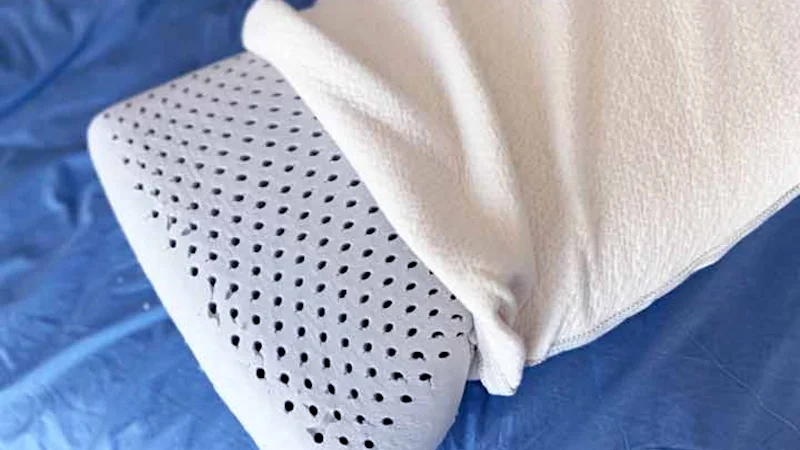
Hot sleepers will most often enjoy pillows made with perforated natural latex or cooling gel-infused memory foam that offers breathability while dissipating body heat. Non-perforated foam or all-down pillows may not be as ideal for hot sleepers due to a lack of heat dissipation in their design.
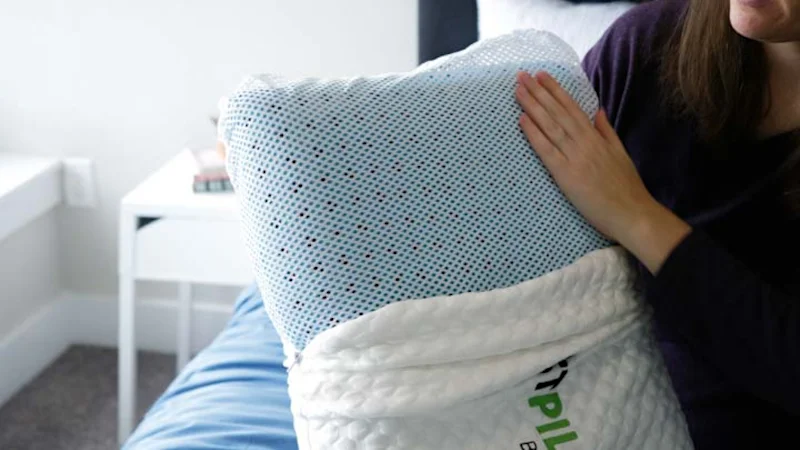
I suggest taking a look at our review of the best cooling pillows we’ve tested that are available today.
Hypoallergenic Pillows
Latex, memory-foam, and down-alternative pillows are typically more hypoallergenic than down pillows. However, how well a pillow wicks moisture (actively cleaning it or adding a pillow protector helps), offers antimicrobial benefits (such as dust-mite resistance), or stays hypoallergenic depends on how it’s made and the quality of the foam or materials used in the filling and outer pillowcase.
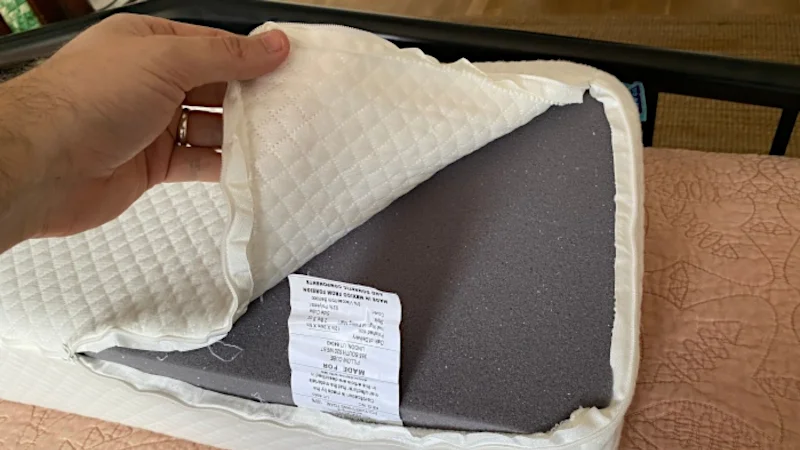
You can find some of our top choices for allergy-prone sleepers in our best organic pillows roundup, which highlights pillows with natural, highly hypoallergenic materials.
Body Type and Size
Lightweight or average-weight sleepers with slimmer shoulders tend to prefer softer pillows with a lower loft. This is because they exert less force (weight) on the pillow, so they still get support with less firmness. Furthermore, lower-loft pillows fit more easily beneath their head and neck, filling the gap down to their shoulders and helping provide proper cervical spine alignment.
On the other hand, heavier or broader-shouldered sleepers may want thicker pillows with firmer support to counter their weight and higher loft to accommodate their shoulder size while offering neck support and alignment with the rest of their body.
Furthermore, pillows are also available in different sizes. The most common standard pillow size is 20” by 26”. However, there are also queen-size pillows at 20” by 30” and king-size pillows at 20” by 36”. I should note that these pillows are sized more to cover a mattress when two are placed on it rather than reflect shoulder width.
The Key Considerations When Choosing Your Next Pillow
Here are some key considerations when choosing a pillow to improve your sleep health:
- Consider your sleeping position and what pillow will best support your cervical alignment while offering the most comfort. For example, if you are a combination sleeper or a toss-and-turn sleeper, you’d probably want a pillow with adjustable fill.
- Consider your body type and weight to determine pillow loft and firmness.
- Consider if you struggle with sleeping hot or are prone to allergies when deciding the type of materials you want for your pillow’s fill.
With these three considerations, you should be able to replace your pillow with one better suited to your unique needs. Of course, you may also want a wedge pillow during injuries, or a body pillow when you’re trying to change sleeping positions or enhance comfort. You may just want an arsenal of pillows for multiple options. But when choosing a standard pillow, keep these three main priorities in mind to find the best fit for your needs.
References
- Saini Y, Rai A, Sen S. Relationship Between Sleep Posture and Low Back Pain: A Systematic Review. Musculoskeletal Care. 2025 Jun;23(2):e70114. doi: 10.1002/msc.70114. PMID: 40338112.