


If you’re routinely waking up feeling unrefreshed or outright uncomfortable, with nagging aches and pains, your mattress may not be doing its job. Giving your bed the once-over can help you identify problems that might be robbing you of the restful sleep you deserve. If you’re wondering how to make your mattress feel more comfortable, maybe even brand new, this is a great place to start.
Keep in mind that comfort isn’t entirely subjective. While we all have preferences for firmness and temperature, some issues are simply uncomfortable across the board. That includes a mattress that sags, smells, or is long past its expiration date.
In this guide, we’re sharing helpful tips to make a mattress more comfortable, along with signs that an upgrade is worth the money. You can also consult our list of the most comfortable mattresses to see which beds made our testers feel cradled and supported right from the get-go.
Evaluating Your Current Mattress
Step one is identifying any mattress issues standing between you and a peaceful sleeping experience. Most modern mattresses have an average lifespan of 7 to 10 years, depending on construction and material durability. If your mattress is older than that, a replacement is likely in order. Old mattresses compromise support and comfort, which isn’t conducive to restorative sleep. Consistently waking up with pain is a big clue that your mattress is past its service life.
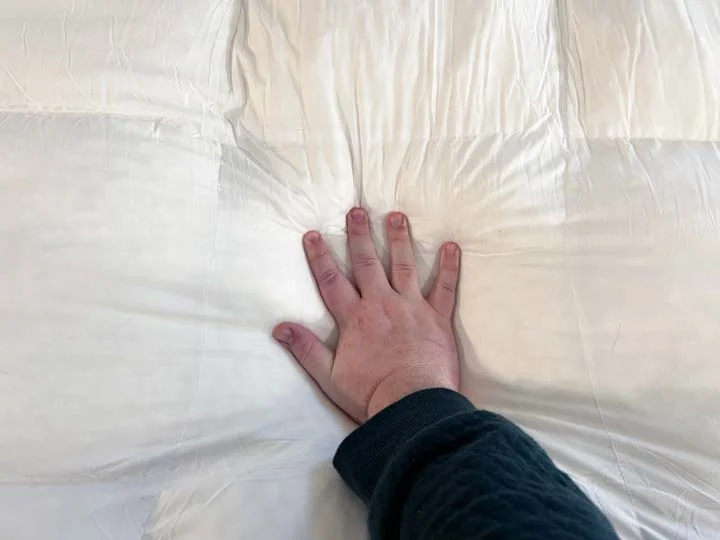
If you’ve had your mattress for only a few years, consider whether any issues are covered by the mattress warranty. Bed-in-a-box mattresses typically come with a warranty, which can range from 10 years to the length of your ownership. Go to the manufacturer’s website and read the fine print on the warranty. Serious sagging issues and workmanship errors are generally covered, and you may be entitled to a repair or even a full replacement at no charge.
Common Mattress Issues
If your mattress isn’t comfortable anymore, it’s probably related to one or more of these common issues.
- Sagging Mattress/Body Impressions: Some degree of settling is normal and expected with a mattress, especially those made with polyurethane or memory foam. But friction, pressure, and moisture can create excessive sagging or deep body impressions. As you toss, turn, and perspire at night, the foam simply begins to break down under your body weight. That can lead to noticeable dips, especially around pressure points like the hips and shoulders. This can also cause a morning filled with aches and pains.
- Lack of Support: As materials and layers soften, heavier parts of the body are more likely to sink in too much. That has the effect of sleeping in a hammock, which can mean you don’t receive adequate spinal alignment. And it’s not just support in the center of the mattress that matters. Soft edges can make you feel like you’re going to roll off the bed, which makes it harder to fully relax.
- Uneven Surface: Materials don’t always wear evenly, especially if you aren’t regularly rotating your mattress. The weight of your body night after night can create impressions in certain spots, leading to an uneven surface. That makes your muscles have to work harder to keep your body stable. It can mean stiffness or a sense of feeling unrested come morning time.
- Increased Motion Transfer: As materials degrade, their ability to absorb motion can suffer. For anyone who shares the bed with a partner or pet, that can mean jostling that affects your sleep quality.
- Decreased Cooling: Beds that use infused foams or perforations to combat heat retention can lose their ability to effectively regulate temperature over time. As foams degrade, air pockets can collapse, and when airflow decreases, cooling gels have nowhere to release the heat they store. That’s when a mattress that used to sleep cool starts trapping heat and humidity, leading to a noticeably warmer sleep setup.
- Allergen Buildup: Mattresses naturally accumulate skin cells, moisture, and dust mites over the years, but some materials are more prone to it. Dense foams don’t promote airflow well, which creates a warm, moist environment for allergens. That can contribute to nighttime congestion, especially if you have any sensitivities, not to mention unpleasant odors. Mattress pads
- Odors and Stains: Even with sheets, mattresses collect sweat and body oils that can lead to stains as bacteria break them down. Again, materials play a big role here. Synthetic foams hold onto moisture longer, which is why a smelly mattress usually only gets stinkier.
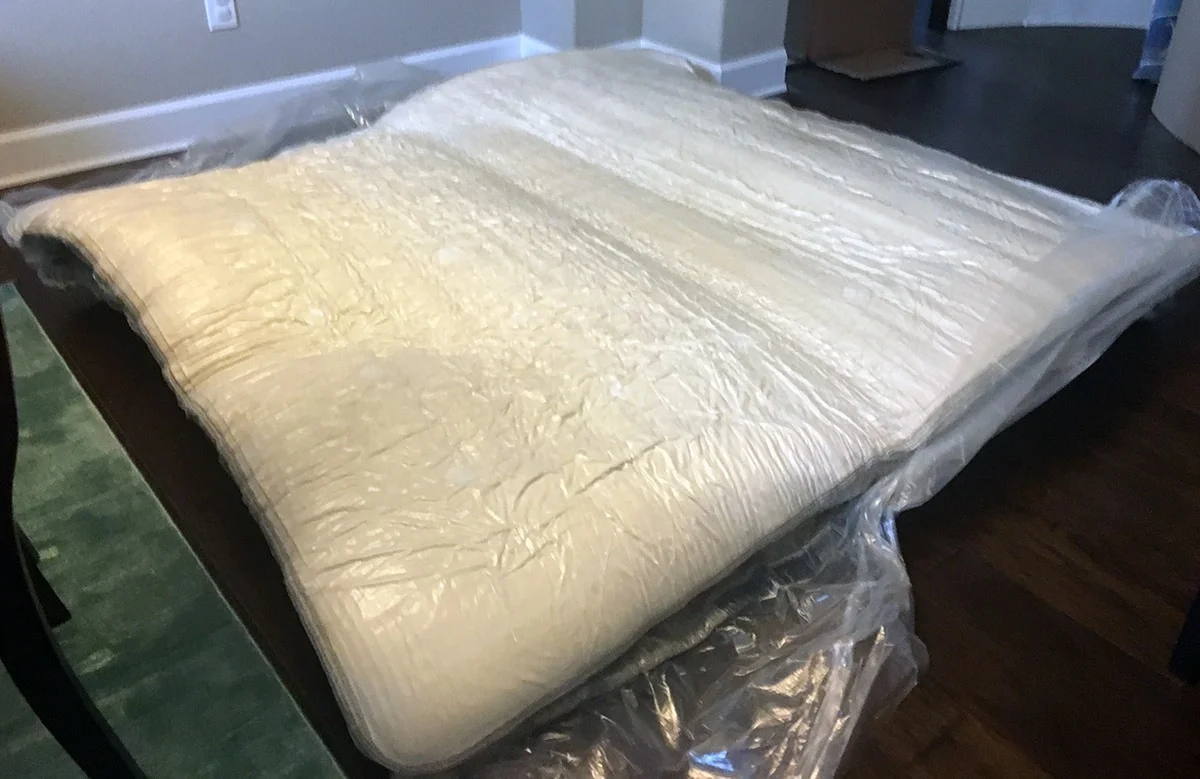
How to Make a Mattress More Comfortable
If none of these issues apply to your mattress, you may just need to tweak its firmness level or breathability. Here are options for optimizing your sleeping surface.
Add a Mattress Topper
A mattress topper is a simple way to solve comfort issues stemming from inappropriate mattress firmness. Mattress firmness describes how hard or soft the bed feels when you lie down. The choice between a firm vs. soft mattress is heavily influenced by body type and sleep style, and it’s not always easy to get it right. Plus, appropriate firmness can shift over time in the event of things like an injury, a pregnancy, weight changes, and plain old aging.
If you aren’t sleeping on the best mattress for your body type or sleep style, you might also be experiencing the kind of pressure that leads to back pain or joint pain.
Adding a mattress topper is an easy solution to both problems. This layer goes right over the top of your existing mattress to change its feel. A pillow-top mattress topper can add much-needed cushioning to a mattress that’s too firm, while a firm mattress topper can help firm up the feel of your mattress. For pressure relief, consider a memory foam mattress topper to cushion joints and help ease sensitivity in tender areas.
Check the Base
In some cases, the issue isn’t the mattress at all. It’s the base. All mattresses benefit from an appropriately supportive bed frame, so it’s worth double-checking what’s going on below your mattress. If the foundation, box spring, or slats are warped or sagging, or the slats are spaced too far apart (usually over 3 inches), the mattress above doesn’t have the support it needs. Even a new mattress will start sagging without proper support.
Make sure slats are sturdy and there’s no bowing in the middle of the base. For a queen-size mattress or bigger, a center support leg is important. If your foundation is showing any signs of wear or it’s older than your mattress, replacing it is a smart move. You might also consider upgrading to one of the best adjustable bases.
Cool it Down
Temperature regulation is really important for a good night’s sleep, and overheating is more common than you think. Night sweats can affect just about anyone, thanks to soaring summer temperatures, medications, or hormonal fluctuations. Since the mattress is often a big contributor to effective temperature regulation, mattress toppers, bedding, and linens go a long way.

- Upgrade to cooling sheets made from breathable natural materials such as cotton, wool, bamboo or linen. They won’t trap heat like synthetic fabrics can.
- If your current mattress is contributing to overheating but a replacement is out of your budget, consider adding a cooling topper made from natural latex and breathable materials. Wool toppers can be a smart upgrade as well.
- Don’t overlook your pillow and comforter. Synthetic materials, like polyester or memory foam fills, can trap heat just like other bedding elements. The best cooling pillows and cooling comforters are designed to release it.
Upgrade Your Sleep Accessories
If your mattress and base aren’t the issue, take a hard look at your sleep accessories. Scratchy, thin, or overly heavy sheets can make it really hard to get comfortable, even on a great mattress. The most comfortable sheets can be a simple but powerful upgrade. The same is true of a really great top layer. Upgrading to one of our picks for the best comforters or duvets can go a long way.
It’s also worth considering specialty bedding pieces, like weighted blankets to ease stress and calm the nervous system or heated blankets to keep you extra cozy when it’s cold outside. Whereas one of our top picks for mattress pads can be a great way add a comfy extra layer that also helps mitigate allergens to the top of your mattress. And, a top-of-the-line mattress protector can keep your mattress looking like new well beyoned when your trial period is over.
Don’t overlook your pillow, either. Beyond its role in temperature regulation, a pillow is a key support element. Different body types and sleep styles benefit from pillows with different lofts. While it’s easy to appreciate the aesthetics of an overstuffed pillow, especially when the bed is made, fluffier isn’t always better.
The goal is to keep the cervical spine aligned, regardless of sleep position. When a pillow pushes your head up too far or lets it sink, neck pain isn’t far behind. That means the best pillow for side sleepers, stomach sleepers, and back sleepers varies. If you’re planning on replacing your pillow, remember to shop based on how you usually sleep.
Flip or Rotate Your Mattress
One of the easiest ways to keep your bed comfortable is with a little maintenance. You should flip or rotate your mattress regularly, per the manufacturer’s recommendations. Given that there are several types of mattresses, the exact instructions may differ. However, most memory foam and hybrid mattresses today simply need to be rotated to prevent sagging and uneven wear, so make a point of flipping it end to end once every quarter.
FAQs
Why are hotel mattresses so comfortable?
Hotels know that comfort is key to pleasing customers, so they invest in high-quality mattresses, mattress toppers and bedding. The best hotel mattresses are usually universally appealing medium-firm memory foam or foam-and-innerspring hybrid luxury mattresses, topped with a plush pillow-top topper and high-quality sheets.
Are firm mattresses comfortable?
Firm mattresses are usually most comfortable for people with back pain, larger (or taller) body sizes and stomach sleepers. Firm mattresses are also recommended for younger children.
Are soft mattresses comfortable?
Soft mattresses are usually more comfortable for people with joint pain, smaller body sizes and side sleepers. As children get older, they may prefer the added comfort of a softer mattress.
Are cheap mattresses comfortable?
You don’t have to sacrifice comfort when looking for an affordable mattress. The best affordable mattresses can still provide comfort on a budget. To ensure balanced comfort and support, opt for the most appropriate firmness based on your body type and sleeping style.
How can I make an air mattress more comfortable?
Even though an air mattress is usually a short-term temporary sleeping situation, you can still make an air mattress more comfortable by ensuring it’s properly inflated and placed on a soft surface. Adding a mattress topper can turn the worst air mattress into a comfortable bed and the best air mattress into a luxurious sleeping surface you won’t want to deflate.
What common mistakes make a mattress uncomfortable?
The biggest mistakes that make your mattress uncomfortable include:
- Not choosing the right firmness for your sleeping style or body type
- Failing to rotate, clean or maintain your mattress
- Using a base or foundation without sufficient support
- Not paying attention to the quality of your bedding
- Failing to replace your mattress when needed
How often should I replace my mattress?
The average lifespan of a mattress is seven to 10 years. However, you may be able to postpone when to buy a new mattress by investing in a natural latex mattress; the natural foam material can last longer than synthetic memory foam or polyfoam materials.