


Pop quiz—which mattress type combines coils with an upper comfort layer? If you said innerspring, you’re right. But if you said hybrid, well, you’re not wrong. Innerspring and hybrid mattresses both share a coil system as the primary support layer. The distinction between a modern hybrid and a classic hybrid really boils down to proportions.
Hybrids top their coils with several comfort and transition layers. The bulk of an innerspring mattress is the coil system, with a much thinner layer of comfort material on top. So, which mattress is best for you?
In the hybrid vs innerspring mattress showdown, the best option depends on your body type, sleep style, and preferences. But a basic grasp of the materials, construction, and characteristics of both mattress types puts you in the best place to choose.
That’s where the Mattress Clarity team comes in. Our team of certified sleep science coaches, product experts, and medical professionals has put more than 500 mattresses through rigorous rounds of testing. This gives us the mattress know-how to bring you up to speed on hybrid and innerspring mattresses.
What’s the difference between hybrid and innerspring mattresses?
The biggest difference is typically the amount of cushioning. Hybrid mattresses have a coil layer topped with multiple transition and comfort layers. The coil system in an innerspring mattress is a primary component and is covered by a thinner layer of softer material for an overall firmer feel.
This means hybrid beds generally offer better contouring for side sleepers, and innerspring beds tend to have more bounce for folks who switch between sleeping positions at night.
Hybrid vs Innerspring Mattresses
We’ve already covered the fact that both hybrid and innerspring mattresses are made with coils. But they also have some differences. These beds often use different coil types, and both coil count and coil gauge can likewise vary.
Innerspring mattresses used to dominate the mattress world, and today, they’re associated with a classic mattress feel. If you peeled back the side of a traditional innerspring mattress, you’d see that the bulk of it is made of rows of metal springs with a thin layer of cushioning on top. Most often, innersprings use Bonnell coils (also known as offset coils or continuous coils), which are linked together across the mattress.
However, the differences between modern innersprings and hybrids are thin. In fact, most innersprings available today technically qualify as hybrids because they often have robust foam comfort layers. But rest assured, all of the picks on our list have that classic innerspring bounce.
These coils are what gives the sleep surface of an innerspring such a bouncy, responsive feel, which makes it really easy to move around with very little effort. All of those coils also make innerspring mattresses breathable — there’s plenty of room for air to circulate freely.
The firmer feel tends to work well for stomach sleepers, who need enough lift to keep hips from sinking and pulling the spine out of alignment.
Pros and Cons of Innerspring Mattresses
In a hybrid mattress, the coil layer is topped with thick comfort layers typically composed of polyfoam, memory foam, or latex. The coils themselves are usually pocketed, or what’s known as individually wrapped coils. That means every coil can move independently, which is one reason hybrids are better at isolating motion and contouring around the body.
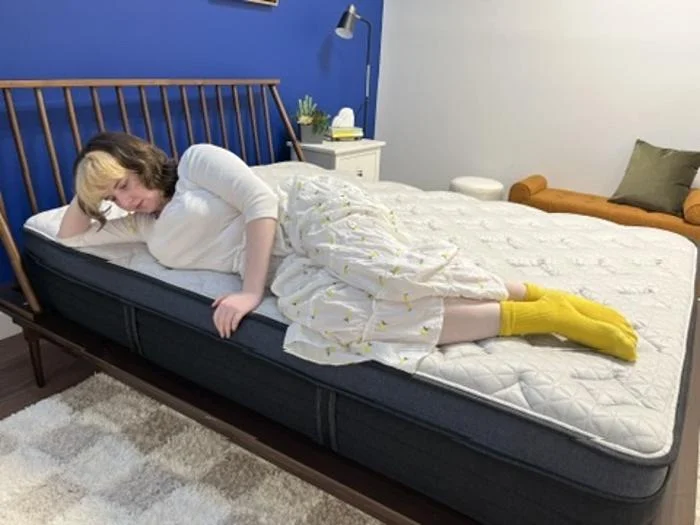
Hybrids are much newer to the mattress space, and the design intentionally brings together the best of innerspring beds — the coils — with the best of all-foam beds — the contouring and pressure relief.
The combination makes hybrids a great pick for side sleepers who benefit from contouring around the hips and shoulders. People with joint pain or back pain are also better served by the balanced cushioning and support in hybrid mattresses.
Pros and Cons of Hybrid Mattresses
| Innerspring | Hybrid | |
| Price range | $500-$900 (queen) | $600-$2,200+ (queen) |
| Durability | Moderate | Good |
| Pressure relief | Low | Moderate to Excellent |
| Motion isolation | Poor | Moderate to Excellent |
| Best for | Budget shoppers, stomach sleepers, combination sleepers, hot sleepers | Side sleepers, back sleepers, couples, people with joint pain |
Which Mattress Should You Choose?
What is a Hybrid Mattress?
Hybrid mattresses got their name because they contain two different components: coils and comfort layers. The combination means sleepers get both the bouncy, responsive feel of a classic innerspring and the pressure-relieving cushioning of foam.
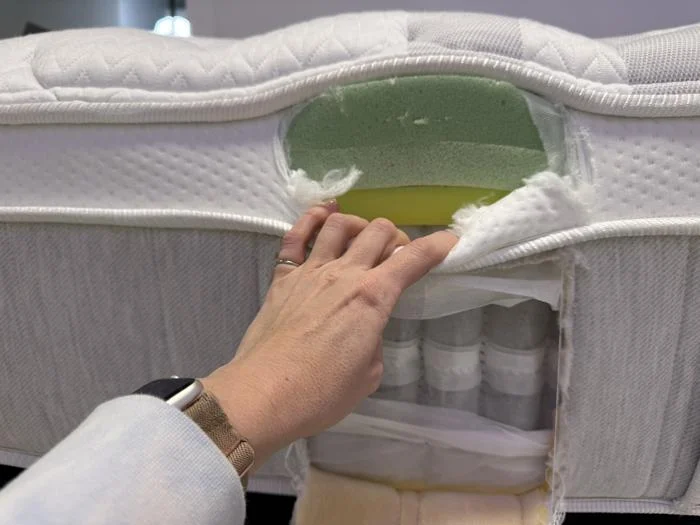
| Layer | Description |
| Cover | The first thing you’ll see is the mattress cover, usually made out of a breathable cotton material. |
| Comfort Layers | To be considered a hybrid mattress, the bed must contain comfort materials. There’s no specification for what this layer is made out of – it could be latex, gel foam, polyfoam, or even a cotton pillow top. |
| Support Layer | Hybrid mattresses have support coils in the base layer. This makes the mattress feel more responsive than all-foam beds, but not quite as bouncy as traditional innerspring mattresses |
Some of our Top Hybrid Picks
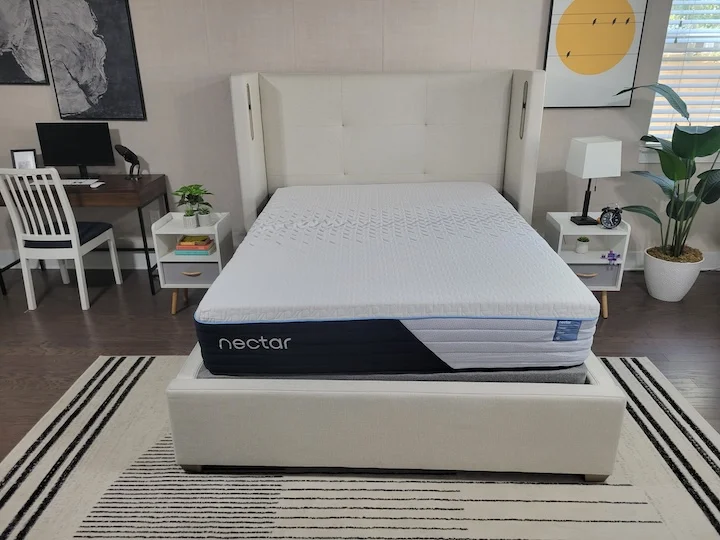
- Nectar Classic Hybrid– Best for people who want a plush feel without sacrificing responsiveness
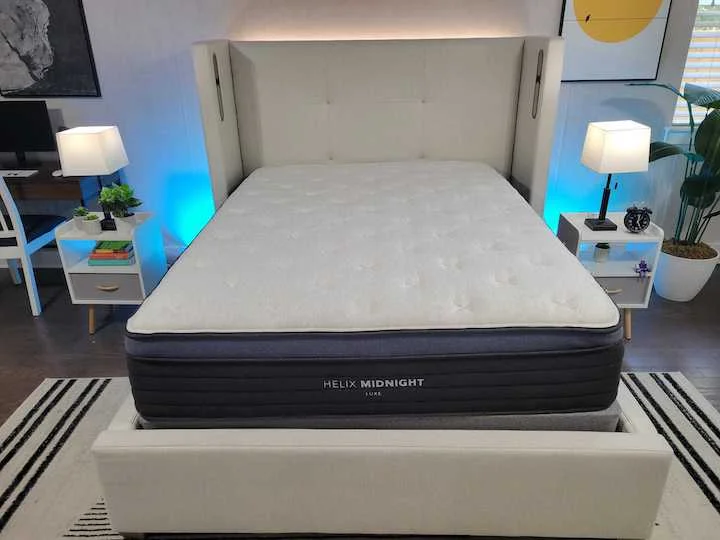
- Helix Midnight Luxe – Best for side sleepers
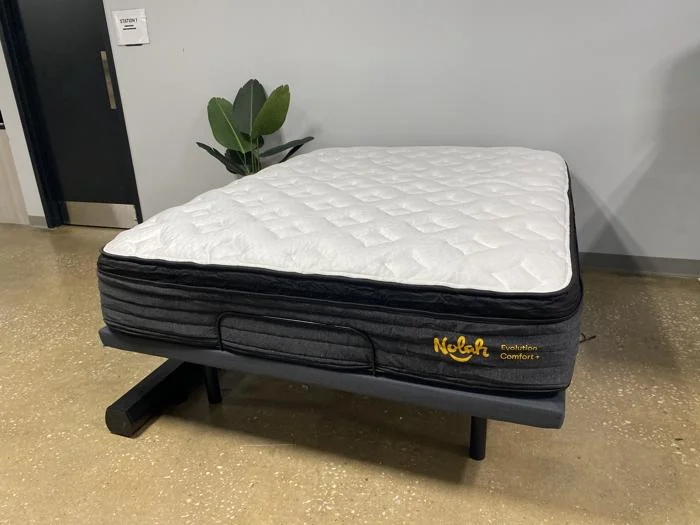
- Nolah Evolution Comfort+ – Best for heavy sleepers
Product
Type
Score
Product
Type
Score
What a Certified Sleep Science Coach Says about the Helix Midnight Luxe
“This bed is welcoming and comfortable. I would recommend this for average weight side sleepers.”
Livvi DiCicco, writer and mattress tester
What is an Innerspring mattress?
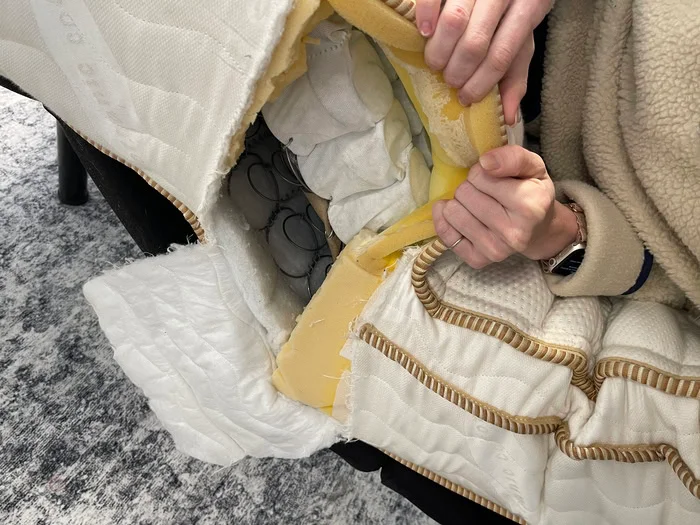
Innerspring mattresses share many similarities with hybrids, but the main difference is that innerspring mattresses typically have less comfort materials at the top. The bulk of the mattress — the entire support system — is composed of the coils, which is what gives them a firmer, bouncier feel.
| Layer | Description |
| Cover | Innerspring mattresses typically have soft covers made out of cotton or another breathable fabric. |
| Comfort Layers | Innerspring mattresses will usually have a thin layer of comfort materials that separate the sleeper from the coils. |
| Support Layer | Like hybrid mattresses, innerspring beds contain springy coils in the support layer. |
Some of our Top Innerspring Mattresses
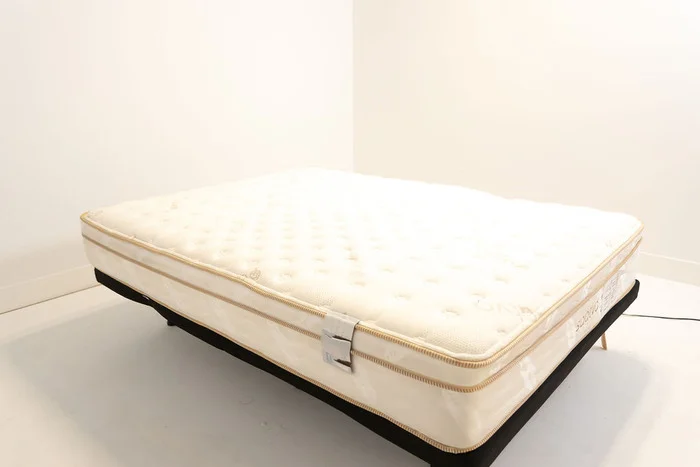
- Saatva Classic – Best for lightweight and average-weight stomach sleepers
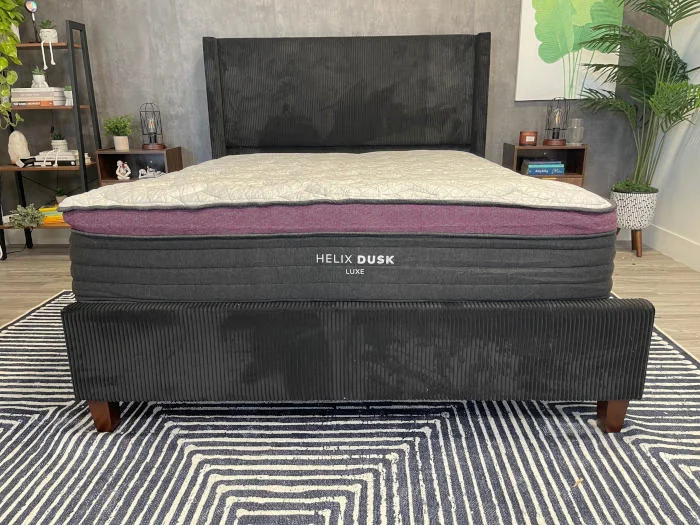
- Helix Dusk Luxe – Best for geavyweight sleepers
- WinkBed – Best for side sleepers over 130 pounds
Product
Type
Score
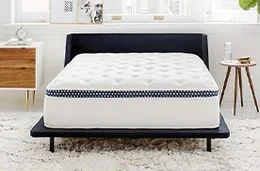
What a Doctor of Physical Therapy Says About the Saatva Classic
“It’s very comfortable on my stomach. My hips are lifted and I don’t feel any pressure forming at my lower back.”
Dr. Hannah Habeeb, chief medical product tester
Other Mattress Options
Hybrid and innerspring beds aren’t your only options for a great mattress. Here are some other common mattress constructions.
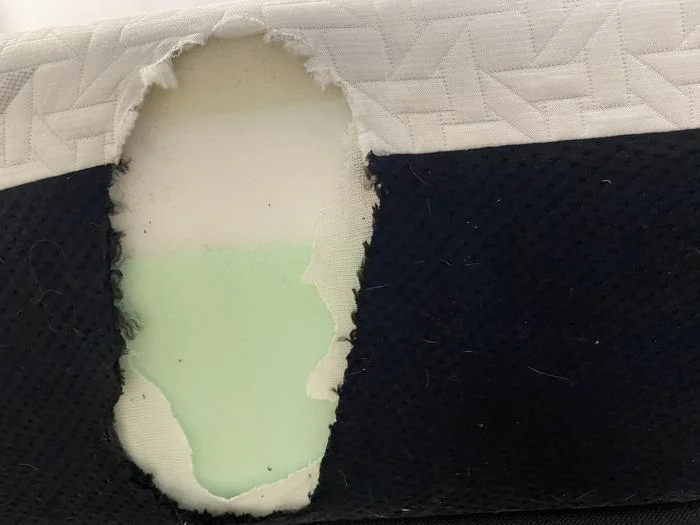
Memory Foam
Memory foam is a popular mattress material thanks to its slow-moving feel and excellent pressure relief. The material responds to heat and pressure to conform closely to the body. Since memory foam tends to retain heat, some versions are infused with gel or have an open-celled construction to sleep cooler.
Latex
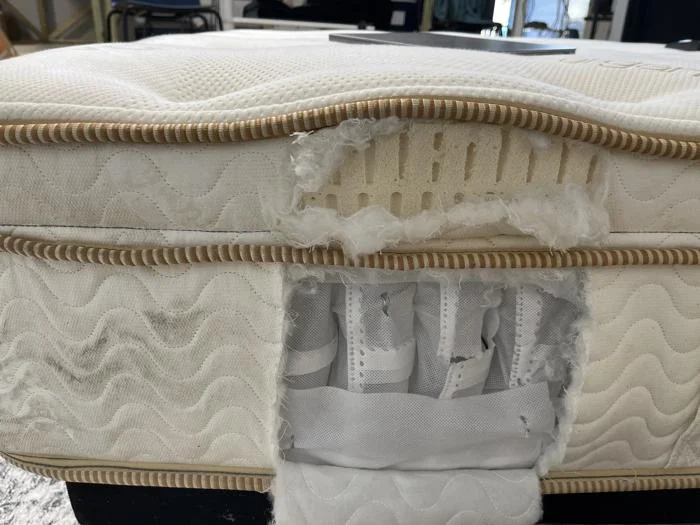
Natural latex comes from rubber trees and has a number of benefits. Not only is it pressure-relieving like memory foam, it’s also temperature neutral and highly durable. It has a gentle buoyancy and responds quickly but it is on the expensive side and adds a lot of weight to a mattress.
Summary
Choosing between an innerspring and hybrid mattress really comes down to what you need and want in your sleep experience. The right mattress, after all, accommodates individual sleep styles and body types.
While both innersprings and hybrids offer coil support, the biggest difference is in their comfort layers. The thicker foam layers in hybrids mean more comfort and plushness, which is ideal for side sleepers. Innersprings tend to be firmer, with less contouring and a bouncier sensation. To decide which one will help you enjoy better sleep, think about how you sleep, who you share a bed with, and how much money you’re willing to spend.
FAQs
Still have questions? We’re here to help. Check out our FAQ section below to learn more.
What is the difference between a hybrid and an innerspring mattress?
Hybrid and innerspring mattresses both have coils for support, but hybrid mattresses contain at least 2” of comfort materials in the top layers and innerspring beds contain less. The coils themselves are also different. Innerspring mattresses use continuous coils, while hybrids are usually made with pocketed coils.
Do you need a box spring with a hybrid mattress?
No, you don’t! With hybrid mattresses, box springs are optional. Some people like them because they offer additional support and make the mattress taller, however, a hybrid mattress will still have a long lifespan if it’s not placed on top of a box spring.
Can an innerspring mattress be used on an adjustable base?
Because of their sturdy construction, innerspring mattresses don’t work well on adjustable bases. Typically, all-foam mattresses work best.