






If you’re waking up each morning with pain in your lower back, there’s a high chance your mattress is the reason. “An unsupportive, saggy, or too-old mattress can compromise your spinal alignment, which can lead to pain and discomfort,” says Dr. Raj Dasgupta, our chief medical officer.
So, it might be time for a new mattress. However, it’s not always the right time to dip into the wallet, especially when a new bed can run you thousands of dollars. The answer might lie in a mattress topper.
The best mattress toppers for back pain will revitalize an existing mattress, providing the necessary support and pressure relief at a fraction of the cost (and effort). But how do you find the best? Leave that to us: We’ve tested more than 200 sleep accessories and helped thousands find their new favorite sleep product. If you’re ready to get a better night’s sleep with some back pain relief, check out our top picks in the carefully curated list below.
Editor’s Note: The information provided in this article should not be considered a substitute for medical advice. Please consult a medical professional if you have personal health-related questions.
Clarity’s Clear Winner
We chose the Silk & Snow Organic Mattress Topper as the best for back pain. It’s made up of 2 inches of supportive, breathable latex foam, relieving pressure while offering a temperature-neutral experience. It also comes with a 100-night trial, so you can get a feel if it’s the right fit for your bed.
The Best Mattress Toppers for Back Pain
- Silk & Snow Organic Mattress Topper – Best Topper for Back Pain Overall
- Saatva Graphite Memory Foam Mattress Topper – Best Memory Foam Topper for Back Pain
- Helix GlacioTex Premium Mattress Topper – Best Luxury Mattress Topper for Back Pain
- Birch Plush Organic Mattress Topper – Best Latex Topper for Back Pain
- Brooklyn Bedding Microcoil Mattress Topper – Best Firm Mattress Topper for Back Pain
- Nectar Firm Mattress Topper – Best Affordable Topper for Back Pain
- Nolah Mattress Topper – Best Topper for Side Sleepers with Back Pain
- Bear Pro Mattress Topper – Best Mattress Topper for Back and Hip Pain
- ViscoSoft Active Cooling Copper Topper – Best Cooling Topper for Back Pain
Top Deals
- Silk & Snow Organic Mattress Topper – Up to 20% Off Sitewide | Free Sleep Bundle with Mattress Purchase
- Saatva Graphite Memory Foam Mattress Topper – $350 Off Mattress Orders of $1,000+
- Helix GlacioTex Premium Mattress Topper – 27% Off Sitewide with Code CLARITY27
- Birch Plush Organic Mattress Topper – 27% Off Sitewide with Code CLARITY27
- Brooklyn Bedding Microcoil Mattress Topper – 25% Off Sitewide with Code LABORDAY25
How We Tested and Selected the Mattress Toppers
The amount of support a mattress provides is key to keeping back pain at bay. You’ll want your bed to keep your body properly aligned, following the natural S-shaped curve from your cervical spine to your lumbar spine.
If your mattress isn’t supporting you properly, you can remedy it with the right mattress topper. What works best for you will depend on your needs, preferences, and body type, but our testers evaluate the firmness and feel of the topper to understand which sleeper types will feel best supported on the surface. They take into account both sleeping position and body type when rating overall support out of 5.
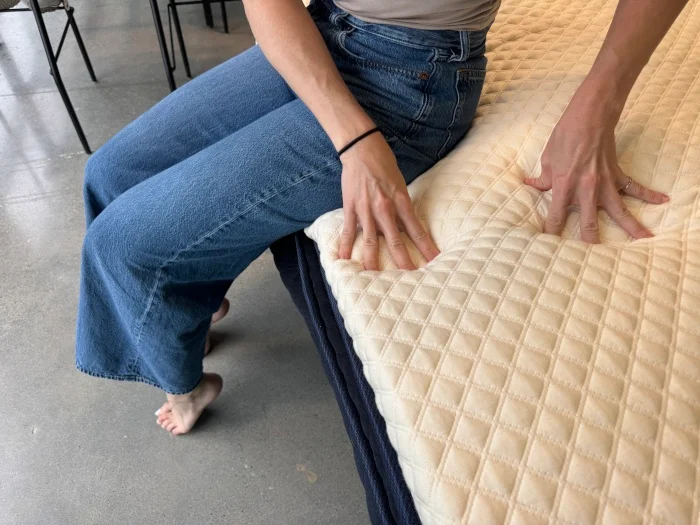
It’s not enough for a mattress to just be supportive on its own. Purchasing a too firm mattress can have the opposite effect, putting stress on pressure points like the hips, shoulders, and lower back as they dig into the mattress. It’s most important for folks who sleep on their sides or backs, so we tend to focus on these positions when evaluating pressure relief. Back sleepers need extra contouring in the lower back to prevent pain in this area, so pressure relief is a must. And if a side sleeper can’t comfortably sink into their bed, they may risk pinching their back if their hips won’t align with their shoulders.
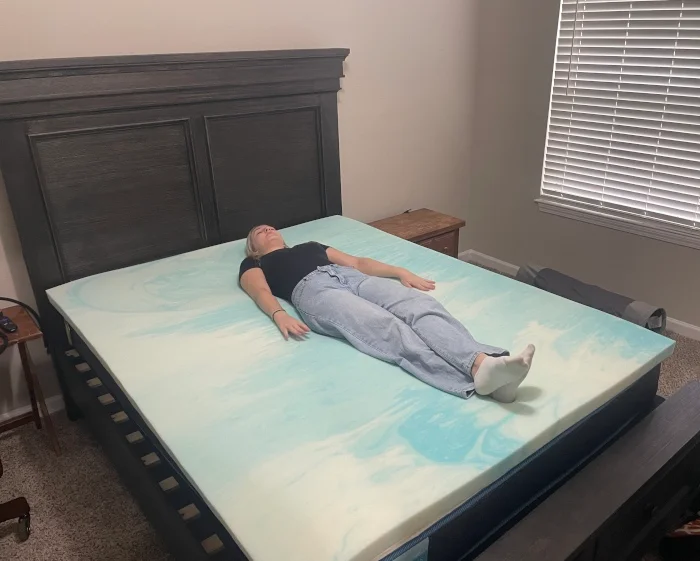
If you’re struggling with your current mattress, you’re likely looking for a significant change. That’s why we recommend thicker mattress toppers, as these are the best for transforming an underperforming mattress. Opt for toppers that are at least 2 inches thick. Some can even be 4 or 5 inches thick. Of course, always take into account things like your overhead space, your bedframe, and the depth of your sheets’ pockets when adding inches to your current bed.
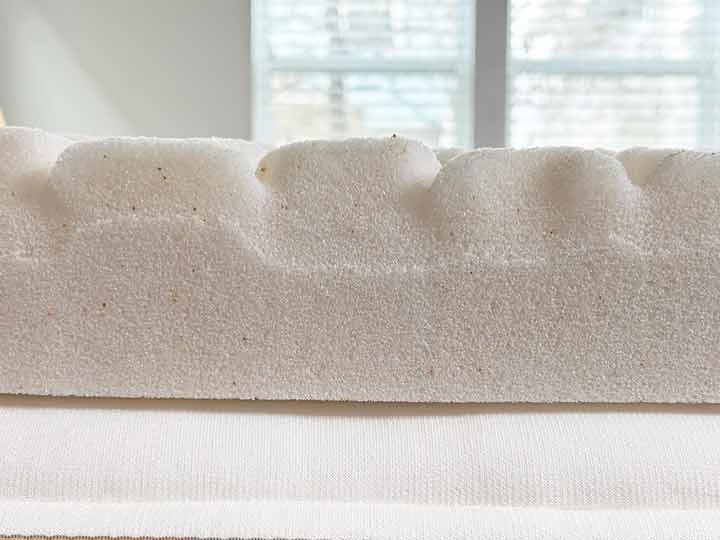
Our team of Certified Sleep Science Coaches selected the best mattress toppers by looking for top performers in the categories above: support, pressure relief, and overall thickness.
But our full process involves testing several aspects of a mattress topper’s performance, including motion transfer, response, and more. We evaluate and score these factors using specialized technology as well as firsthand accounts of how a topper feels to testers with different body types.
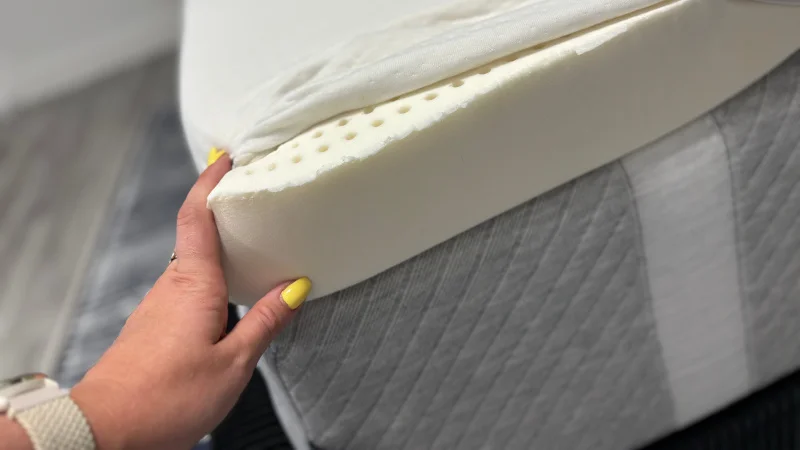
Once we have all those scores, we calculate the overall score using a weighted formula. This overall score is a good indicator of a mattress topper’s general quality, and is always a number out of 5.
As we decide which mattress toppers to feature on any roundup, we only include those with an overall score of 3.5 out of 5 or higher. Even if a topper does certain things well, we won’t point you towards it if it falls below this baseline.
- 500+ mattresses tested in person
- 30+ data points collected for each bed
- Certified Sleep Science Coaches on staff
- Expert input from our Chief Medical Product Tester Dr. Hannah Habeeb (DPT)
- 43,000+ readers who bought a new bed based on our recommendations
Learn more about Mattress Clarity.
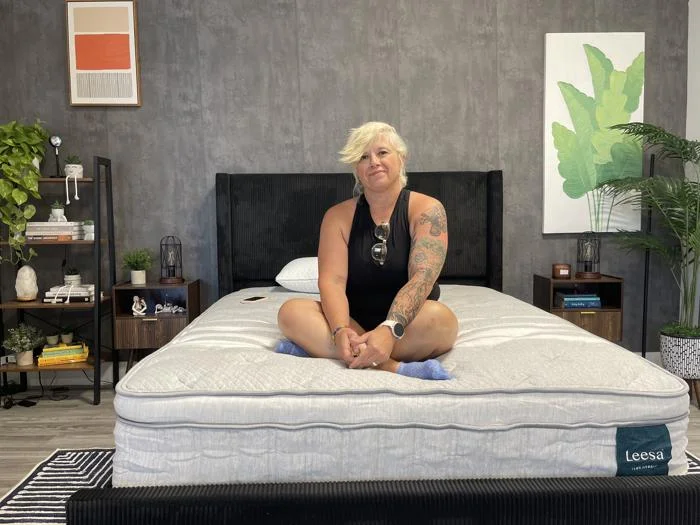
Read about our testing experience with each of the mattress toppers on our list below.
Silk & Snow Organic Mattress Topper – Best Topper for Back Pain Overall
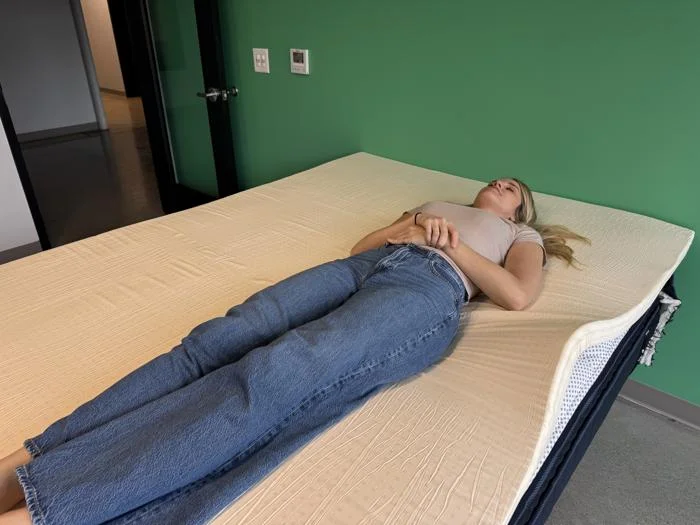
- 2 inches thick
- Supportive and responsive latex
- Two firmness options available
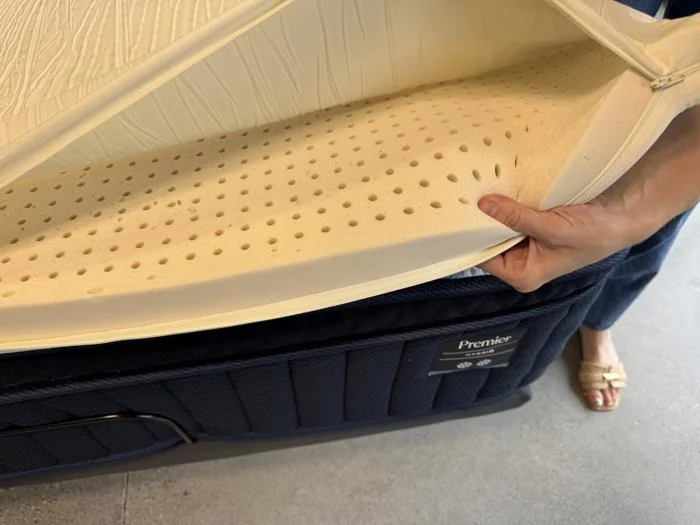
If you deal with back pain while sleeping, you likely want a firmer material in a mattress topper to provide the lift and support you need for a neutral spine. The Silk & Snow Organic Mattress Topper does just that with its use of latex—a natural material commonly used in organic mattresses and sleep accessories. Latex is naturally supportive and also provides plenty of bounce, allowing folks to shift around easily on their bed. As such, we awarded the Silk & Snow perfect scores for both support and response, which is why it “tops” our list (pun intended).
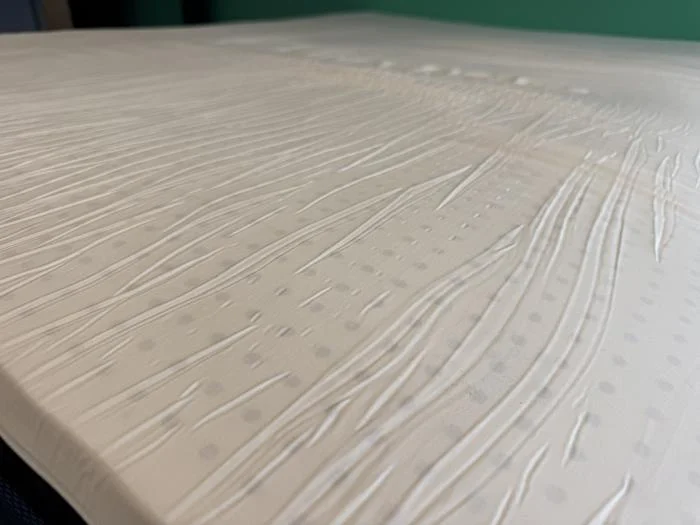
Due to its firmness, my colleague and certified sleep science coach Kenny Timper felt like this would be a great addition to an older mattress that might be beginning to sag. “I feel like this topper is propping me up in all the right places,” he said. It mostly provides an “on-top” feeling to your bed, although Kenny noticed just enough sinkage to remain comfortable. He never felt any pressure building up while lying on his back or side, either.
Along with its proclivity for support, the Silk & Snow Organic Mattress Topper is built with quality materials. Thanks to GOLS-certified organic latex and GOTS-certified organic cotton, you can be assured of its high-quality materials. Accordingly, we awarded a 5/5 in the category. “These certifications are the gold standard for organic accessories,” added Kenny.
The mattress topper’s responsiveness allows for easy movement, but it also contributes to above-average motion transfer, meaning a partner may be able to feel your shifting in bed. Fortunately, Kenny told me the Silk & Snow topper has decent motion isolation…for a latex topper, that is.
“I definitely felt movement during our partner test,” he said, “But it was light enough that it wouldn’t disturb or jostle me.” He rated the motion isolation at 3.5/5 and mentioned that it should work fine for most couples. However, light sleepers that share their bed may need a topper that reduces movement more.
Latex is generally a more breathable material than memory foam, and this latex topper has some holes in its construction to help increase airflow. That said, cooling is not a strength of the Silk & Snow Organic Mattress Topper, so it earned a 3.5/5 in the category. Kenny noted a temperature increase of a little over 7 degrees after lying on the topper for a few minutes. He never felt the surface warming up, but hot sleepers may want more cooling technology, like that from the Helix Premium Topper with GlacioTex.
Mattress Clarity Test Results: Silk & Snow Organic Mattress Topper
Saatva Graphite Memory Foam Topper – Best Memory Foam Topper for Back Pain
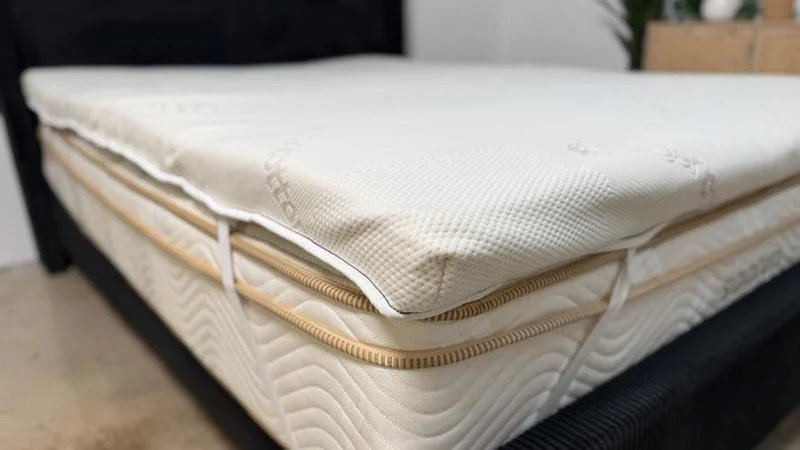
- 3 inches thick
- Cooling graphite infusions
- Organic cotton cover
Fans of memory foam won’t be disappointed with the luxurious Saatva Graphite Memory Foam Topper. This mattress topper features 3 inches of memory foam and provides dense support and sumptuous pressure relief in equal measure—the perfect combination for an aching back. The graphite infusions offset the foam’s natural heat-trapping instinct, helping to keep things cool and comfortable. Our product tester was most impressed by this topper’s craftsmanship, awarding it a perfect score for materials and a 4/5 for support.
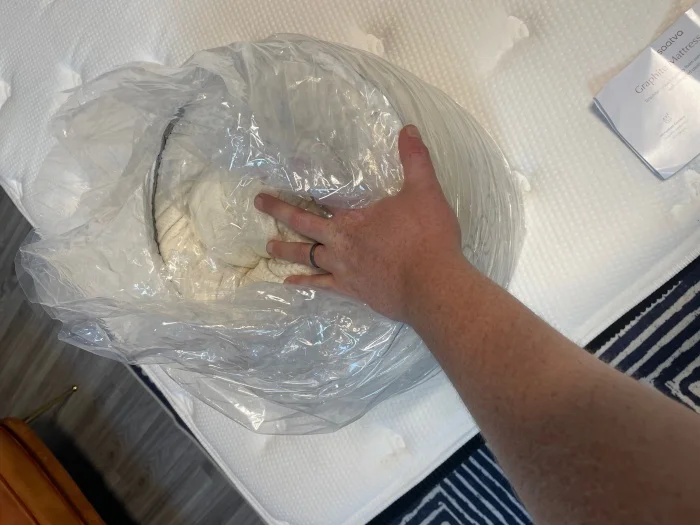
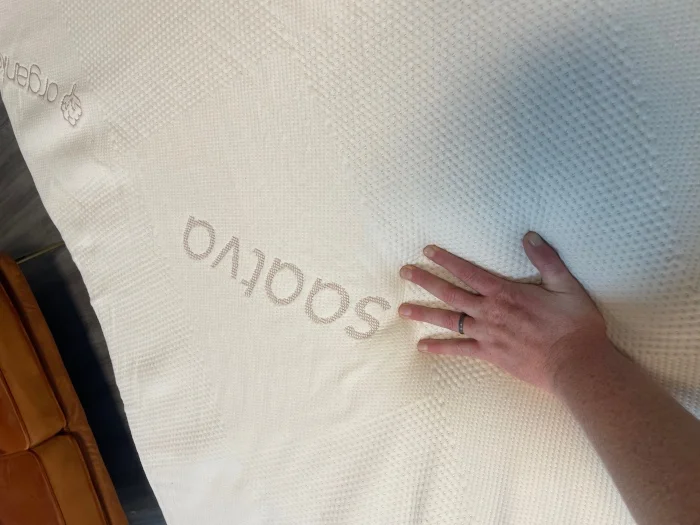
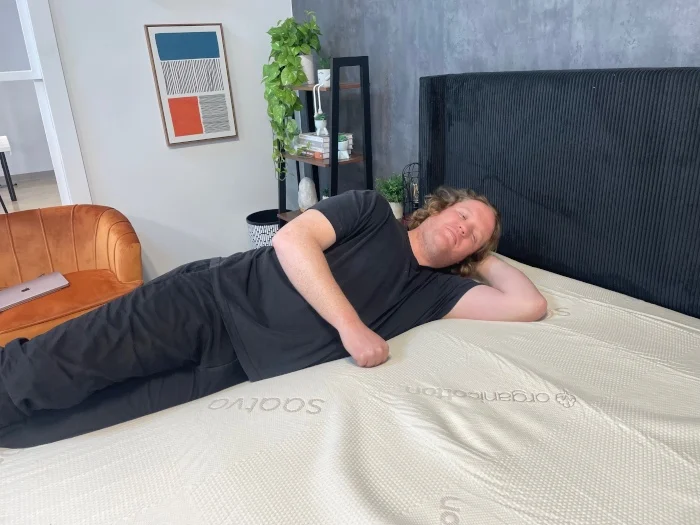
In particular, our in-house tester thought this topper was great “if you’re looking to add some plush support to your bed.” It has a traditional memory foam feel, so you’ll sink gently into the surface and enjoy contouring where you need it most.
“Since it’s memory foam, it’s not going to be the most responsive thing in the world,” he added. “But when you change positions or get up off the bed, it does retain its original shape pretty quickly.” The dense nature of the memory foam also provides a modicum of motion absorption, which can be helpful if you’re sharing your bed with a restless partner. Our tester noted that it didn’t have exceptional motion isolation, so light sleepers may still want something that scored higher (like the Nolah Topper).
Despite the foam’s dense, cushy feel, our tester was surprised to find that the topper felt cooler than expected. “I was lying on my stomach for about 15 minutes, and it didn’t really heat up,” he said. “I’d say the cooling is pretty good for memory foam.” As such, we awarded the topper a 4/5 score for cooling.
Our team could see the quality of the mattress topper not just in its performance, but also in its construction. “The materials feel very high-quality compared to other toppers we’ve tested,” our product tester explained. “The organic cotton cover is really nice and breathable, and there’s no notable pilling, weird stretching, or bad stitching.”
A queen-size Saatva topper will run you about $295, which our team agreed is pretty good value. Our tester explained, “The quality justifies the expense.” If you’re ready to buy, this topper also comes with a 180-night sleep trial and a year-long warranty. To find out more, you can read our full Saatva Graphite Memory Foam Mattress Topper review.
Mattress Clarity Test Results: Saatva Graphite Memory Foam Topper
Helix Premium Topper with GlacioTex – Best Luxury Mattress Topper for Back Pain
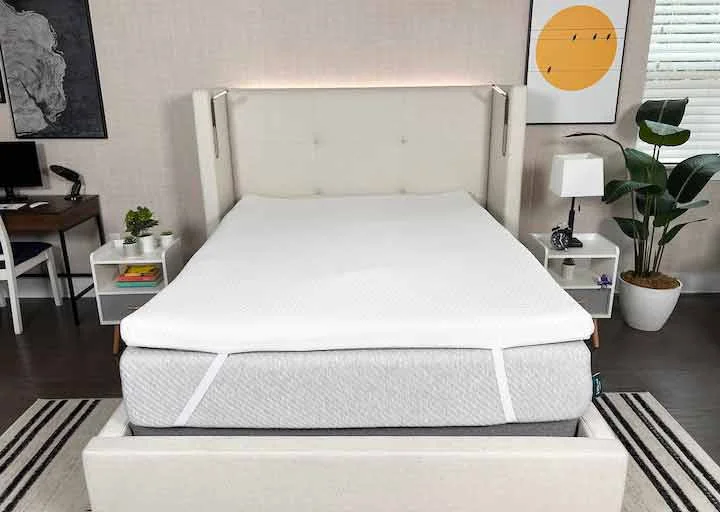
- Foam and micro-coils for support
- GlacioTex cooling cover
- Muffles motion transfer
Maybe your current mattress isn’t as luxurious as you’d like it to be. Before you toss the whole thing out, consider upgrading with the Helix Premium Topper. This mattress topper is like a mini-mattress. It features a miniature coil layer sandwiched between two dense foam layers, providing optimum support for sleepers dealing with pesky back pain. It’s also swaddled in a cooling cover to regulate surface temperature. Impressed by all this topper had to offer, our in-house tester gave it a 5/5 rating for construction, plus high marks for support (4/5) and value (4/5).
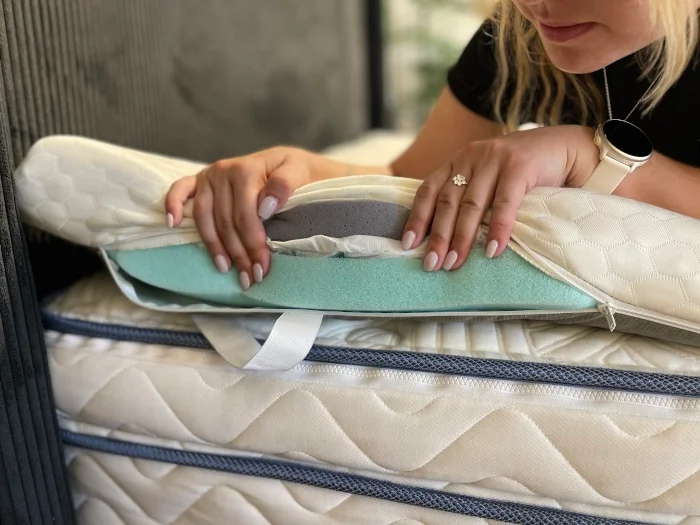
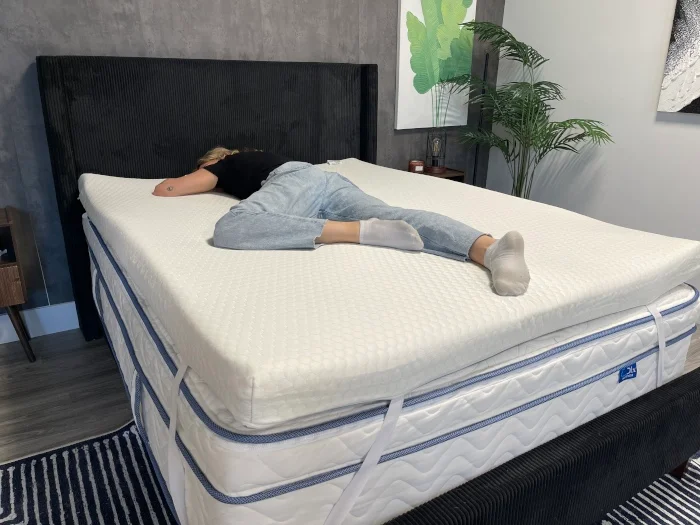
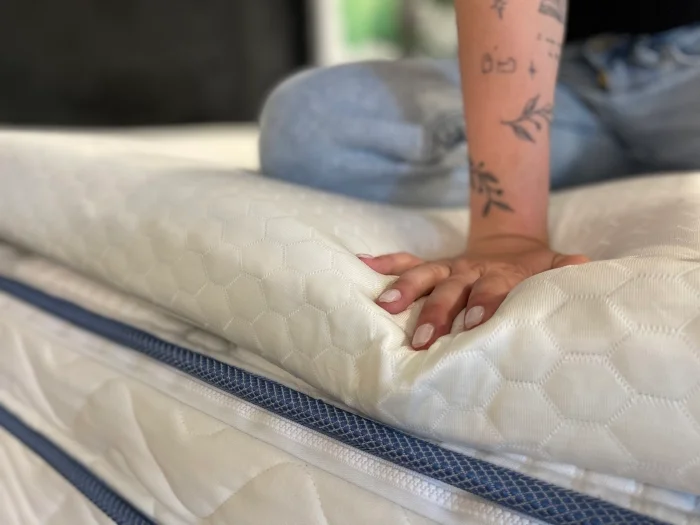
When our tester tried this topper in the studio, she noticed the firm feel right away. “I definitely feel more ‘on top’ of this topper, rather than sinking in,” she said. “It definitely adds more support to the mattress underneath, and my back and spine are aligned,” she said. This alignment is crucial for sleepers with back pain.
Our tester also believed this firmness would remain even with repeated use, thanks to the topper’s innovative microcoil construction. “I don’t think there would be sagging after nightly use, especially because of how firm this topper is,” she said. “Alongside the coils, the dense double layers of foam seem like they would hold up well over time.”
With this coil layer, we’d expect to see a bit of bounce from the mattress topper, and therefore a lot of motion transfer, but this wasn’t the case. “Once my partner and I are on the topper, it feels like I am lying alone on the bed,” our tester explained. “I can only really feel the larger position changes, but otherwise, it’s smooth sailing.” She rated motion isolation at a 4/5, and recommended it for easy-to-wake sleepers who may be experiencing motion transfer on their current bed.
The “with GlacioTex” part of this mattress topper comes into play in the cover. Our tester thought it was “cool to the touch” upon first lying down. She could feel the mattress heating up beneath her, however, which could pose a problem for extra-hot sleepers. “I think someone who moves a lot in their sleep would be OK, because as soon as I got up, I could feel it immediately start to cool down,” she added.
As a luxury product, the Helix Premium Topper initially retails for nearly $500. Sales and coupons can bring it down to as low as $374, but that can still be a hard pill to swallow for budget shoppers. However, our tester thought the quality was worth it, saying, “It’s nice to have that cooling cover and the bands to secure the cover, and the topper has a very fine construction.” If you want to try it for yourself, the topper comes with a 120-night trial and a one-year warranty, should you fall in love with it.
If you want something cheaper, consider checking out the Bear Pro Topper. Or, you can read more about this product in our Helix Premium GlacioTex Mattress Topper review.
Mattress Clarity Test Results: Helix Premium Topper with GlacioTex
Birch Plush Organic Mattress Topper – Best Latex Topper for Back Pain
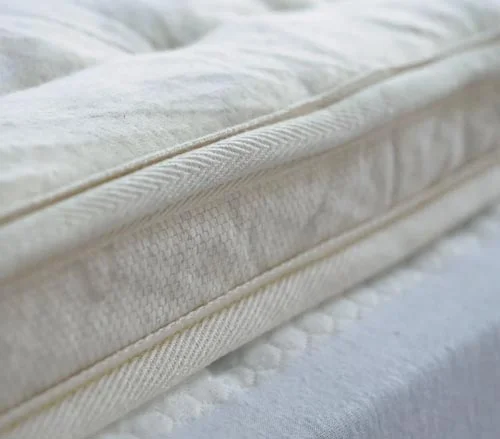
- Organic cotton pillow top with organic latex base
- 2 inches thick
- Balances softness with support
You may prefer latex for your bed, either for its organic construction or because you’re looking for hypoallergenic sleep accessories, but the bottom line is that latex can be a solid, supportive material for anyone dealing with back pain. Our pick for the best latex topper goes to the Birch Plush Organic Mattress Topper, which strikes a nice balance between softness and support thanks to its plush, organic cotton pillow top. Despite its cushioned appeal, though, we found this topper to be closer to a medium-firm 6.5/10 on the firmness scale, and it earned a balanced 4/5 for support.
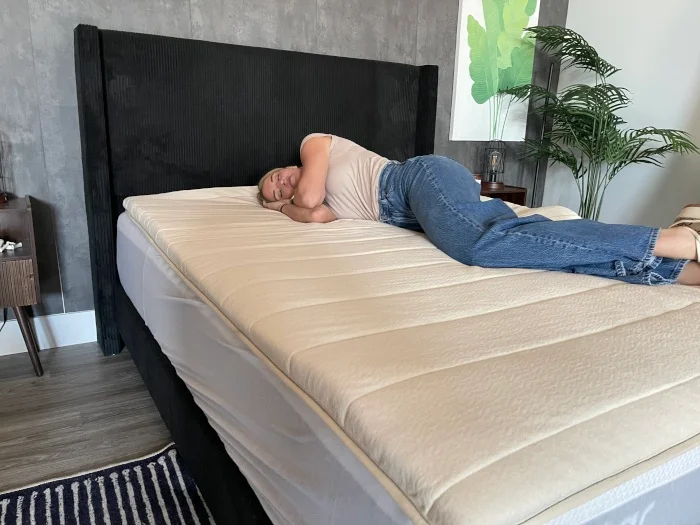
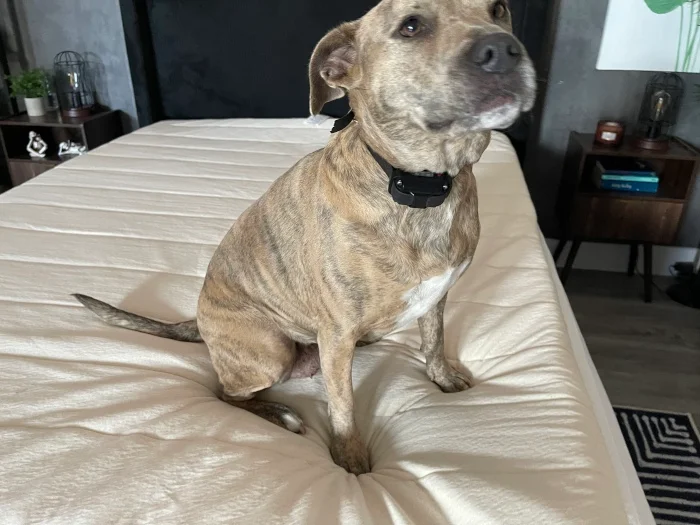
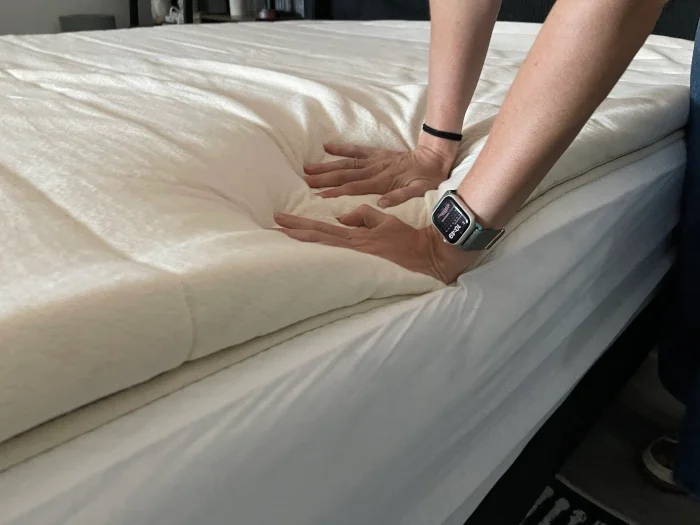
“You get a fair mix between cushioning and support with this mattress topper,” our in-house tester told me. “I wouldn’t say it offers a ton of contouring, but it still provides a nice level of softness around my lower back and joints.” She advised that this would be a good topper to help firm up a saggy, softer mattress, as well.
Despite the Birch topper’s softer feel than your typical latex, it’s just as responsive, earning a 5/5 in the category. Our tester noticed that it would snap right back into place after pressing into the 2-inch-thick mattress topper. Despite its bounciness, the softer top layer helped isolate motion pretty well—particularly for a latex topper. Our tester rated its motion isolation at 4/5 and noted, “I could sense a bit of movement from my testing partner getting in and out of bed, but it wasn’t enough to feel jarring or disrupt my sleep.”
As for cooling, the Birch mattress topper has no real cooling features, other than breathable cotton and aerated latex. However, in our cooling test—where our tester measures the temperature increase after a few minutes of lying on the mattress topper—we only noticed 3-degree rise in temperature. With performance like that, it earns a 5/5, although our tester still mentioned that it “feels more temperature-neutral than cooling.”
Birch also uses high-quality materials, earning another perfect score here. The latex is GOLS-certified, and the topper also meets strict standards to achieve a GREENGUARD Gold certification, meaning it is free of polyurethane foams, fiberglass, pesticides, and formaldehyde.
If there’s a place where the Birch Organic Mattress Topper falters, it’s in its price—pretty substantial compared to others on our list. It retails for over $500 for a queen topper, although you may be able to find it marked down. Even at its discounted price, though, it’s one of the more expensive options available. For a less expensive organic topper, I’d recommend taking a look at the Silk & Snow Organic Mattress Topper, which starts at less than $300. You can read more in our Birch Plush Organic Mattress Topper review.
Mattress Clarity Test Results: Birch Plus Organic Mattress Topper
Brooklyn Bedding Microcoil Mattress Topper – Best Firm Mattress Topper for Back Pain
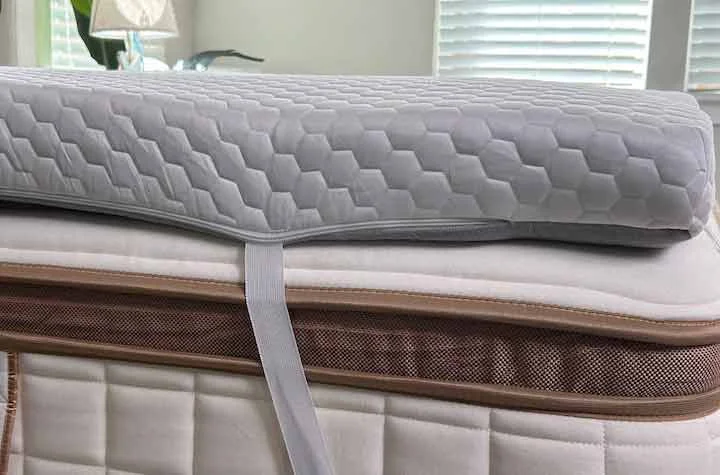
- More than 3 inches thick
- Impressive cooling performance
- Micro-coils add support
Sometimes, a too-soft mattress can lead to improper spinal alignment, which can cause or exacerbate existing back pain. A topper that doesn’t skimp on firmness or support, like the Brooklyn Bedding Microcoil Mattress Topper, could be the solution. As the name suggests, this topper features a layer of microcoils to provide firm, pinpoint support where it’s needed most. My colleague Sosha Lewis was most impressed by how these coils performed. The construction helped this topper earn 5/5 scores for support, responsiveness, and materials.
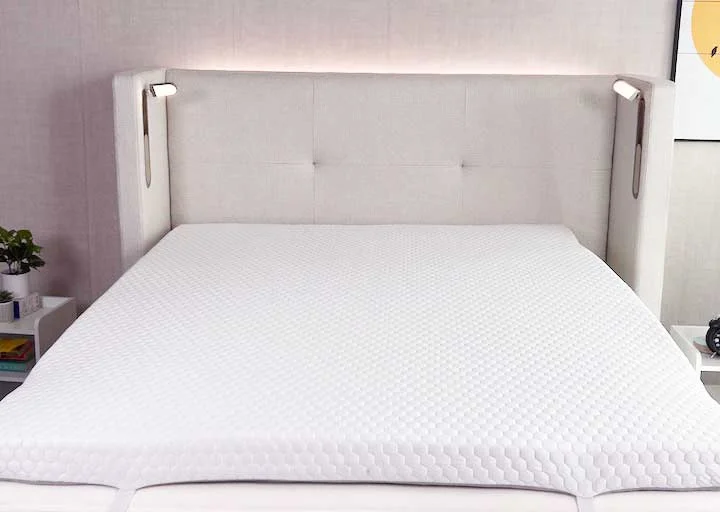
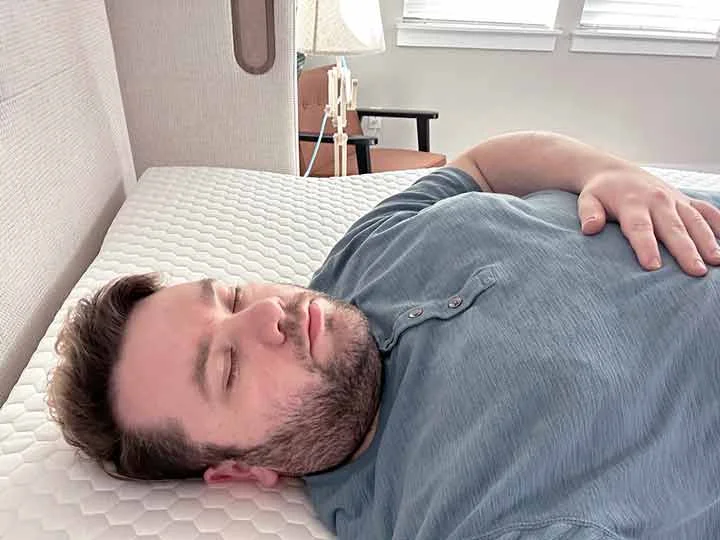
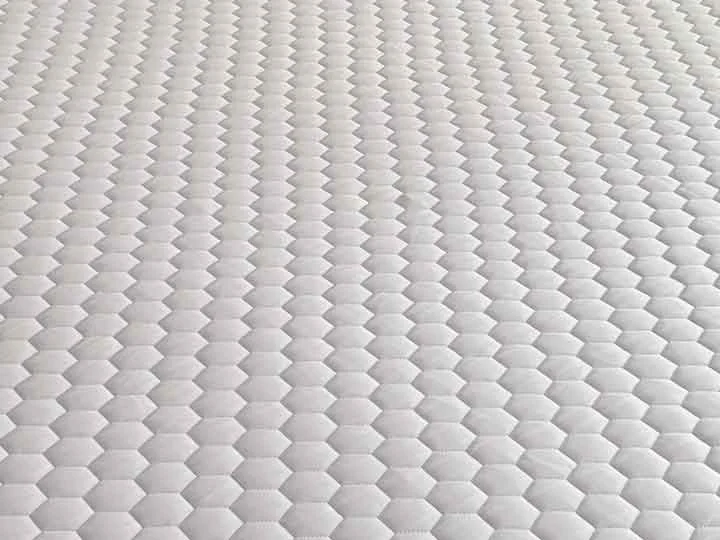
Sosha thought that the Brooklyn Bedding topper provided “mattress-level support.” She added, “It’s one of the few toppers out there that can actually make a discernible difference in how your bed feels.”
It makes sense when you consider that the topper is nearly 3.5 inches thick. The bulk of it is actually made up of high-density foam, which surrounds the coil layer to provide stability and pressure relief. Sosha thought that the topper seemed “well-made and durable,” as a whole.
Sosha also thought that the cover had a nice cool-to-the-touch feel. “ Our thermal gun recorded only a 4-degree increase in the surface temperature after I had lounged around on the topper for a few minutes,” she said. “I think that the coils are definitely helping out with the breathability here and making it a good choice for hot sleepers.”
Couples should also enjoy this topper, as the coils offer plenty of bounce for sex, but they do so without motion traveling across the surface when you’re trying to sleep side-by-side. Sosha thought that the amount of motion transfer she experienced “was hardly problematic.” She said, “As a light sleeper, I don’t think the motion I felt on my side of the topper would be enough to wake me.” This means repositioning during sleep should be easy, and it also shouldn’t disturb your partner.
Since the Brooklyn Bedding Microcoil topper earned high marks across the board, I’d call it a well-rounded, versatile topper that can work for just about anyone. The one thing you’ll have to contend with is its price. It usually retails for about $660 for a queen, with sales bringing it as low as $400. It also comes with a 30-day return policy and a three-year warranty.
Sosha called it “pretty good value” at the discount, but if you’re after something a little cheaper, you might like the Helix Premium Topper, which also has microcoils. To find out more about this topper, though, read our full Brooklyn Bedding Microcoil Mattress Topper review.
Mattress Clarity Test Results: Brooklyn Bedding Microcoil Mattress Topper
Nectar Firmer Mattress Topper – Best Affordable Topper for Back Pain
- Firms up your mattress
- Cooling gel inside the foam
- Isolates motion
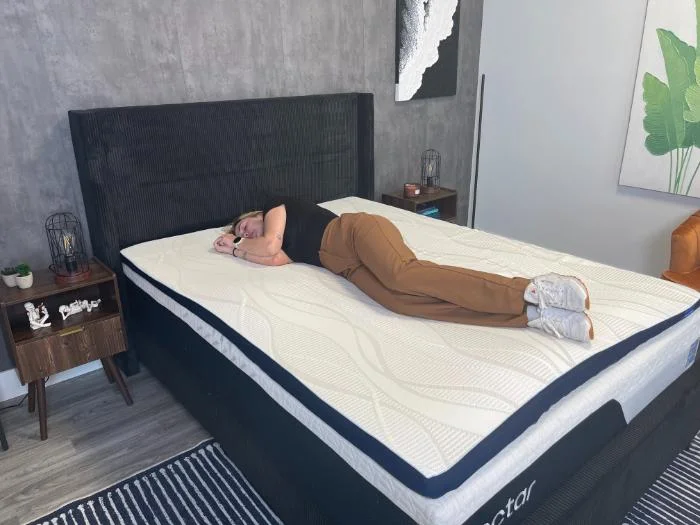
If you’re looking for a mattress topper that helps to keep your spine aligned and alleviate back pain, you’ll want to prioritize support over plushness. Thankfully, the Nectar Firmer Mattress Topper has plenty of it. Its gel-infused memory foam should up the firmness of your bed without breaking the bank, as it costs just $199 for a queen-size topper. With that price, it earned a 4.5/5 for its value.
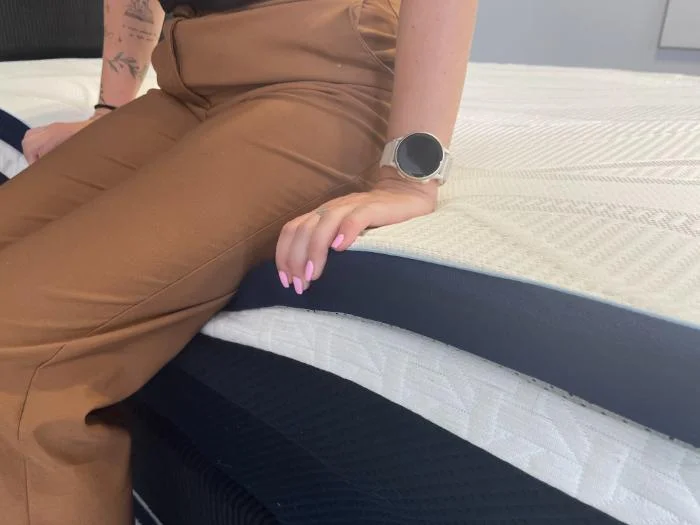
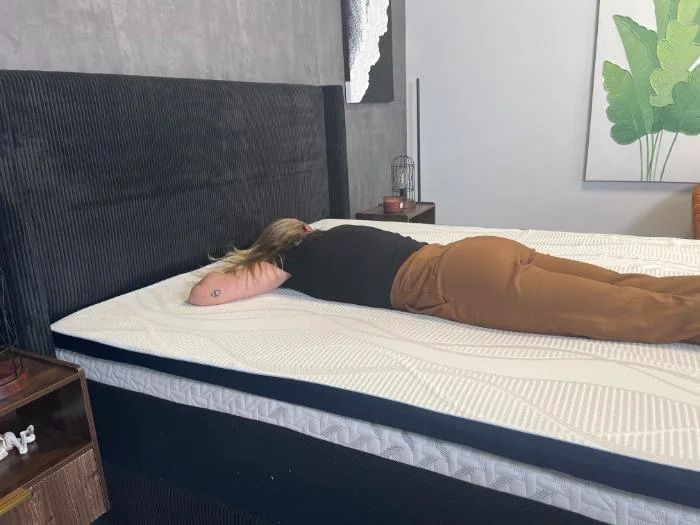
The Nectar Mattress Topper comes in two different firmnesses: Firmer or Softer. Our team has tested both firmness levels and we’ll typically recommend the firmer option for back pain due to its extra support. We rated its overall feel at 3.5/5, though our tester admitted she was a little biased against it. “Personally, I don’t like a firm mattress or topper, so this is not comfortable for me. But someone who is looking for something firm to sleep on would like this!” she said. “I feel supported all around.”
Being a firmer option, the Nectar Firmer Mattress Topper also proved to be highly responsive, earning a perfect 5/5 in the category. Our tester noticed that it was easy to switch positions on the topper, and it’d spring back to its original shape when she pushed her hand into the surface. It also scored well in motion transfer (a respectable 4/5). Although she could feel more movement on this one than on the softer model, she still said, “I hardly noticed any movement from my testing partner.”
This mattress topper also earned a 4/5 for cooling, as its temperature rose about 7 degrees after a few minutes of our tester resting on it. Our tester also said the surface cooled back down very quickly. Still, with its memory foam construction, it can retain some heat, so this may not be the best option for very hot sleepers.
At about 2 inches thick, the Nectar Mattress Topper doesn’t have a ton of body to it. You’ll be resting “on top” of it instead of sinking in. For a bit more sinkage, try out the 3-inch Bear Pro Topper, which strikes a nice balance between support and cushioning.
Mattress Clarity Test Results: Nectar Firmer Mattress Topper
Nolah Mattress Topper – Best Topper for Side Sleepers with Back Pain
- Dense, cushioning foam
- Adds pressure relief to your bed
- Two firmness options available
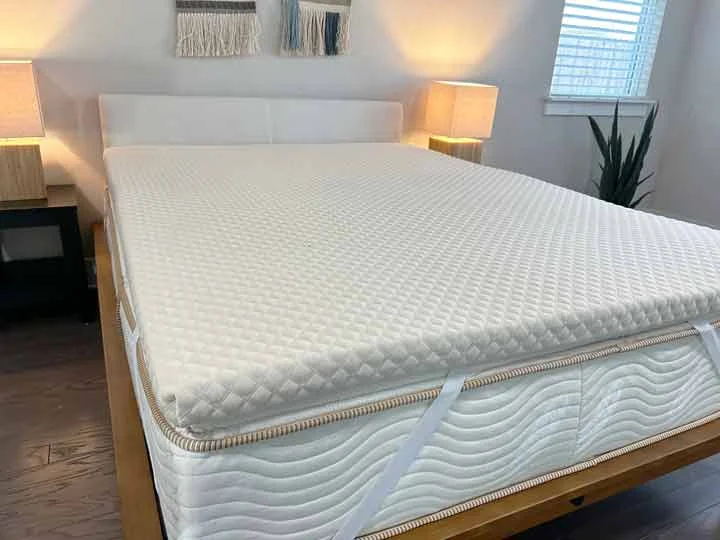
If you’re a side sleeper trying to find comfort on a too-firm mattress, consider adding the Nolah Mattress Topper to rejuvenate your sleep experience. This super-dense foam mattress topper comes in two firmnesses, but the Plush will be your best bet for pressure relief. My colleague Kenny Timper heartily recommended this topper for side sleepers since it provides “extra cushioning around the shoulders and hips.” Because of its dense feel, he awarded it 5/5 scores for materials and motion transfer.
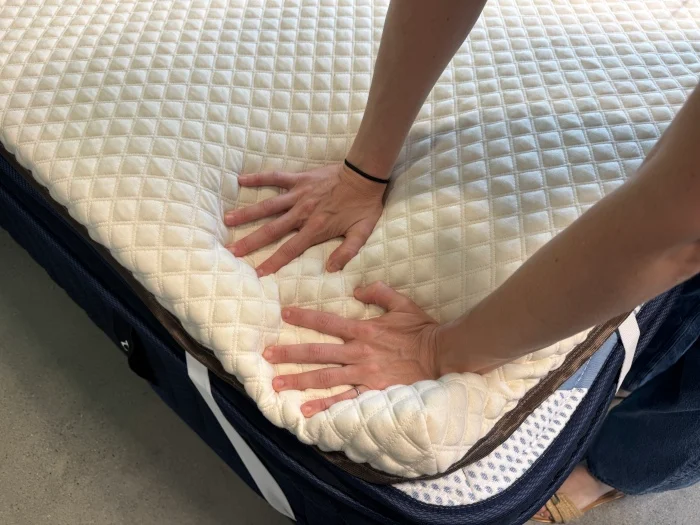
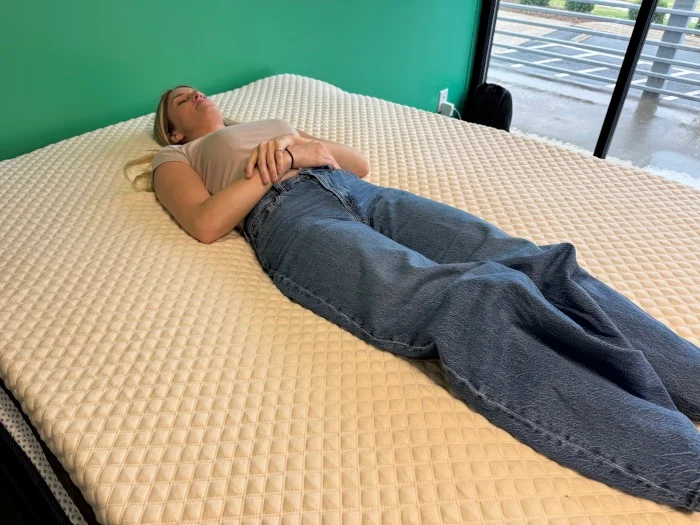
The Nolah topper is 2 inches thick and composed entirely of the brand’s AirFoam HD, which is a dense, open-celled foam that’s geared toward breathability and durability. It also features an organic cotton cover and thick corner straps to prevent the topper from shifting on the mattress surface, which is a plus for restless sleepers.
“I’d say this feels really nice overall, thanks to the soft cover and super-cushiony foam,” Kenny said. Even with this softness, Kenny expected the topper to comfortably last over five years—though he added that some heavyweight sleepers might notice some impressions earlier on.
Since the topper has a primarily slow-moving feel, Kenny wasn’t surprised that it did so well in our motion transfer tests. “When my testing partner was in bed beside me, I could sense some movement, but there wasn’t any jostling,” he said. “The topper really absorbs motion, so I don’t think light sleepers will have any issues sleeping alongside a rowdy bedmate.”
Although the deep sinkage is comfortable for side sleepers, if you switch between multiple positions, it could pose a problem. Kenny thought that you needed to put a bit more effort into rolling around on the surface, but he never felt truly “stuck.” If you’re looking for a more responsive feel from a topper, check out the Brooklyn Bedding Microcoil topper.
A queen-size Nolah topper retails for $449 regularly, but you can get it as low as $337 with sales and coupons. Kenny thought the organic cotton was a nice touch, but not enough to justify the price, in his opinion. If you want to take the plunge and see if it’s worth its weight in gold, Nolah offers a 30-night trial. After that, the mattress topper is backed by a very generous 10-year warranty—one of the longest I’ve seen for an accessory.
Mattress Clarity Test Results: Nolah Mattress Topper
Bear Pro Topper – Best Mattress Topper for Back and Hip Pain
- Balances sinkage and support
- 3 inches thick
- Isolates motion well
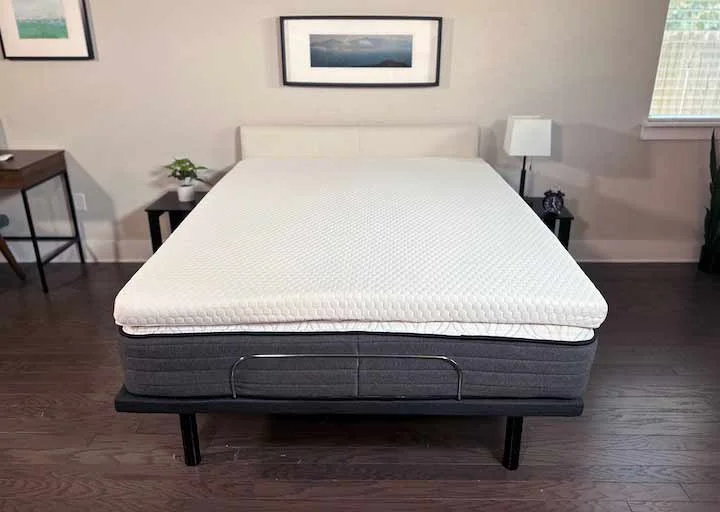
Sleepers with back pain need support, and those with hip pain often need more cushioning. If you’re not getting that from your current mattress, you might like the Bear Pro Topper. This foam topper looks deceptively simple, but it has a lot to offer. Our in-house tester found it to be durably constructed (earning a 4/5 for materials), supportive (scoring 4.5/5), and isolates motion like a pro (a perfect 5/5 rating).
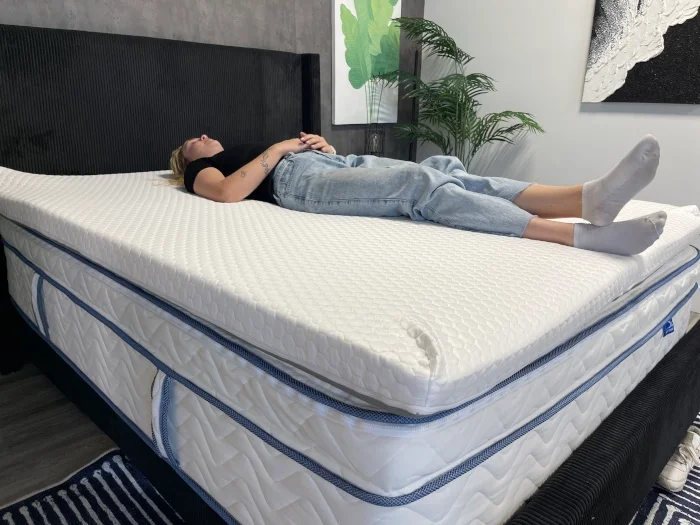
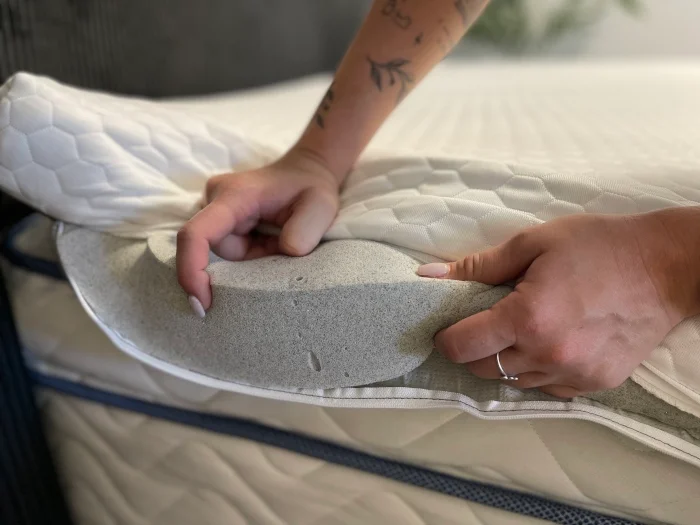
The Bear Pro Topper is about 3 inches thick and pretty hefty, as our tester found out. “It’s heavy with dense memory foam on the inside, so it certainly doesn’t feel cheap,” she said. “The materials are good quality, so I think it’ll hold up for quite some time.”
The dense-feeling memory foam provided a nice mix of support and gentle cushioning. “I felt really supported throughout my shoulders and hips,” our tester explained as she lay down on the bed. “My spine stays aligned, and the thickness of the topper prevents me from feeling the mattress underneath. Honestly, it makes the mattress feel more supportive.” She recommended it for a mattress that’s lacking in the support department, which can be a reason for both back and hip pain.
Our tester also achieved a nice bit of sinkage when she rested on the topper, saying, ”I sink down just enough that it’s comfortable, but not enough to feel ‘stuck’ when switching positions.” This also gave it a leg up in motion isolation testing. “I feel little to no movement when someone is on the other side of the topper,” she said, “And I don’t roll toward them or wiggle around when they are moving.” It bodes well for couples who share a bed and are seeking undisturbed sleep.
The Bear Topper features copper infusions to help counteract any excess heat the foam might trap, but our tester found the experience was more “cozy” than “cooling” when resting on it. “I could feel it warming up as I was lying there, but I never felt hot,” she explained. “I think as someone who sleeps hot, this could get uncomfortable throughout the night, but it wasn’t terrible.” She thought it felt “more like a warm blanket than a hot, sweaty towel.” But if you’re looking for a truly cooling mattress topper, you might prefer the Brooklyn Bedding Microcoil Topper.
At $225 on sale for a queen-size topper, the Bear Pro isn’t exorbitantly priced—especially if you’re looking for a durable, high-quality option for the money. Bear offers free returns, as long as you do so within its 30-day trial window, and a generous three-year warranty.
Mattress Clarity Test Results: Bear Pro Topper
ViscoSoft Active Cooling Copper Topper – Best Cooling Topper for Back Pain
- 4 inches thick
- Straps for secure attachment
- Cooling materials in the foam and cover
While most memory foam toppers aren’t built for cooling, we think that the ViscoSoft Active Cooling Copper Topper could be a great fit for hot sleepers—and not just because of its “Active Cooling” moniker. “I lay on it for around 20 minutes, and I didn’t notice any distinct temperature rise,” our tester said. While copper is infused into the foam, the cover itself also features cooling technology, which ViscoSoft reports was modeled after firefighter gear to repel excess heat. Clearly, it works, earning a 4.5/5 for cooling.
Along with excellent cooling features, our testers thought it was a luxurious take on your average memory foam topper, and they were particularly impressed by the topper’s construction (which earned a 5/5 score for materials), and its supportive feel (also earning a 4.5/5), which should benefit sleepers with back pain.
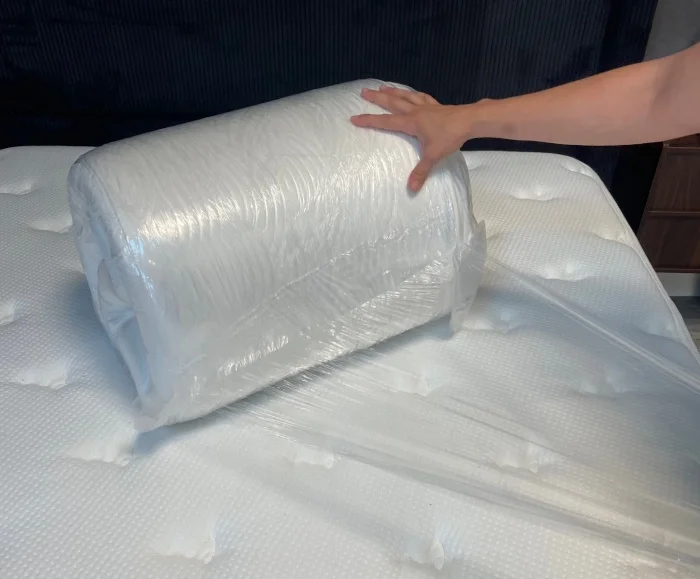
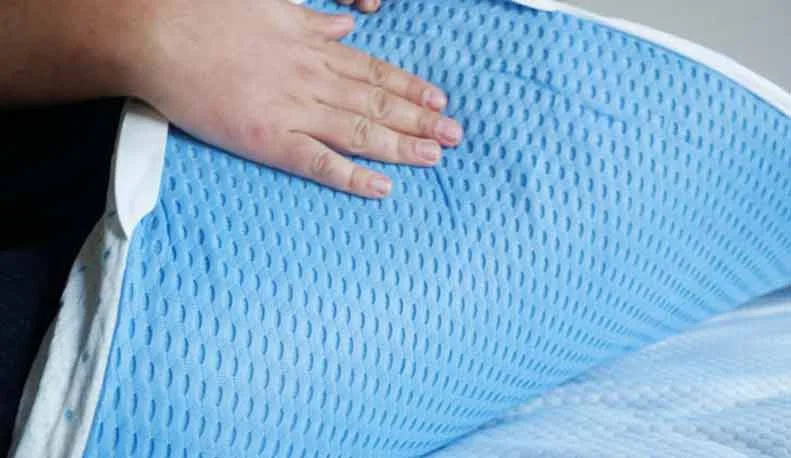
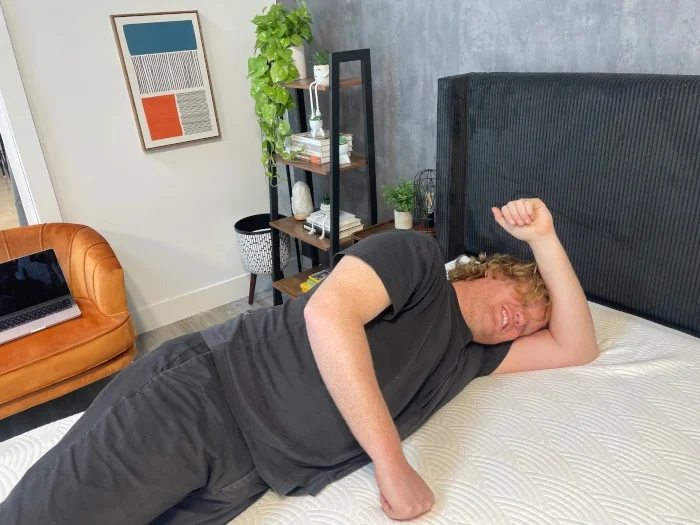
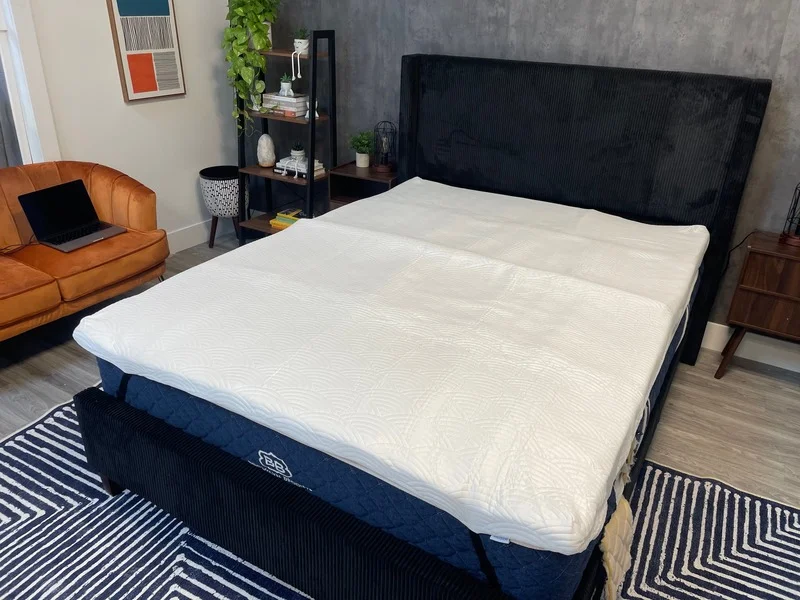
The ViscoSoft Active Cooling Copper Topper is a whopping 4 inches thick, made entirely of dense, pressure-relieving memory foam. This foam is also infused with copper to help ward off excess heat and act as a natural antimicrobial, keeping your sleep surface cool and fresh.
Our tester called this a “thoughtfully designed topper,” and praised it to the point where he thought it could “improve even a bad bed.” He had no qualms about giving it a perfect score for materials, finding the thick foam durable, the cover soft and well-stitched, and the security straps effective in ensuring the topper doesn’t slide off.
This memory foam topper has a balanced feel that our in-house tester noticed as soon as he lay down on top of it. “I’m a heavyweight sleeper and this has a lot of sink, but it’s also super plush and supportive at the same time,” he said. “I think that sleepers who are looking to soften up a firmer bed will really enjoy the pressure relief and support this gives.”
According to our testers, the mattress has a “true memory foam feel,” meaning that it isn’t very responsive, but it offers plenty of pressure relief and motion absorption. They thought the topper had a fair showing in the motion isolation test: “I could feel that my partner was moving, but I could not tell you what they were doing,” he said, awarding it a 4/5 in this category.
If you love a traditional memory foam feel, you’ll likely love the ViscoSoft topper. To sweeten the deal, it retails for as low as $239 during sales, and comes with a 90-day trial and five-year warranty. That said, if you’re a combination sleeper (like me) who hates sinking too deeply into the bed, you might want to opt for something bouncier. Check out the Brooklyn Bedding Microcoil Mattress Topper, instead.
Mattress Clarity Test Results: ViscoSoft Active Cooling Copper Topper
Other Mattress Toppers We Considered
Didn’t find your match in the list above? Here are some other options that might tickle your fancy and alleviate your back pain:
- Brooklyn Bedding Gel Swirl Topper – If you don’t want to spend too much on a mattress topper for your back pain, the Gel Swirl Memory Foam topper is a good choice for a tighter budget. When sales are running, you can grab a 2-inch model for close to $100. It’s plush, contouring, and pressure-relieving, so it can help soften up a too-firm mattress that’s causing back pain. It’s a no-frills pick and pretty cool for foam, but it may not be supportive enough for stomach sleepers or people over 230 pounds.
- TEMPUR-Adapt Topper – This high-end mattress topper softens mattresses, and it’s a great option for back and side sleepers. It features 3 inches of luxurious TEMPUR material that softens mattresses with that classic slow-moving memory foam feel. While you can choose a cooling cover, it comes at an extra cost. This puts the already luxurious price tag even higher, which could put it out of some people’s budget.
What We Like to See in a Mattress Topper for Back Pain
Like your regular old mattress, we put toppers through performance evaluations to assess everything from their construction quality to their ability to keep cool. But for the best toppers for back pain, we honed in on areas that will ensure you get enough support for a more comfortable sleep experience.
Support
A supportive mattress will have you feeling comfortably aloft as you rest on its surface. No part of your body should be jutting uncomfortably or sinking in too far. In other words, your spine should be in the correct alignment. Oftentimes, that back pain you feel upon waking is caused by a misaligned spine in the night, which can be the fault of an ill-suited mattress. Your mattress should work with you, not against you, to maintain that natural S-curve.
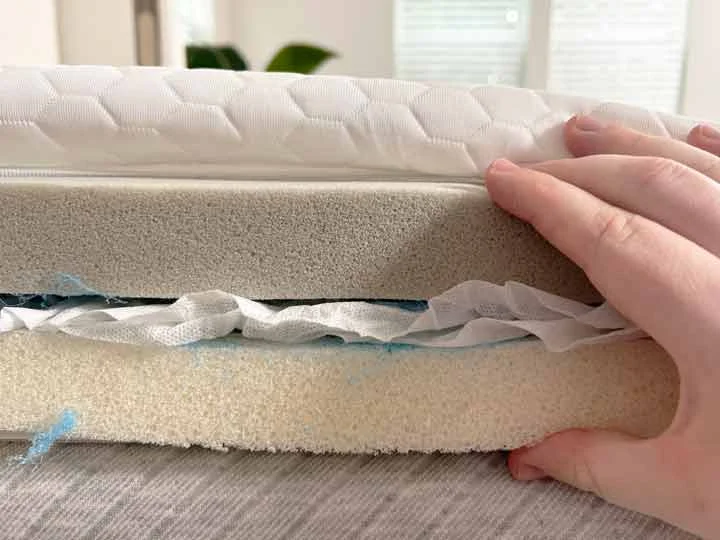
While many think firmness and support are the same, they’re not. Firmness definitely influences how supportive a mattress can feel. Studies show that a medium-firm mattress (which falls at a 6.5 out of 10 on our firmness scale) is the best for maintaining proper spinal alignment and therefore reducing the risk of back pain. “A medium-firm mattress provides a balance of softness and support that can accommodate multiple body types and sleeping positions,” says Dr. Raj Dasgupta.
Finding a supportive mattress topper can mean different things to different folks, so we evaluated these toppers in every position possible, taking into account how different body types would affect our ratings. If a mattress is too soft, you need a firmer topper for additional support. But a too-firm mattress that’s wrenching your spine out of alignment might require a softer topper to make it feel supportive.
While we rate each topper’s support out of 5, this may not reflect the experience for every sleeper. We will spell out who exactly will find comfort on each topper, not just someone dealing with back pain.
Pressure Relief
Spinal support goes hand-in-hand with pressure relief. When you lie down on a mattress, certain parts of your body sink deeper into the mattress. These can be the neck, shoulders, hips, lower back, or knees. To prevent discomfort or pain in these areas, there must be ample cushioning and cradling, which we call pressure relief.
Many people experience back pain because their mattresses don’t provide enough pressure relief. This often means their mattress is too firm or doesn’t contour well to sensitive joints. A mattress topper made with soft, pressure-relieving materials like memory foam or latex can help take the strain off the spine, hopefully yielding a pain-free environment.
Back and side sleepers will especially need to find a topper that can soothe pain along the shoulders and hips. Many stomach sleepers may not need to worry about this issue, because they tend to need a firmer mattress. But if you’re a well-endowed stomach sleeper, you may want a bit of pressure relief at the chest.
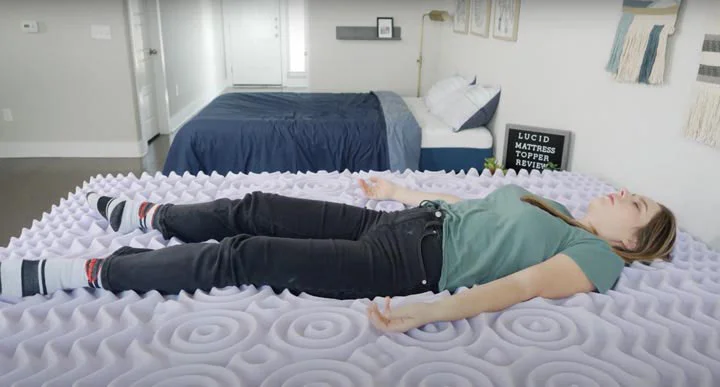
Though we don’t have a specific test for pressure relief with mattress toppers, we do take it into account when evaluating support, firmness, and overall comfort. We make note of which toppers will provide more pressure relief to your mattress, as well as the sleepers we feel will glean the most pressure relief on each topper.
Thickness
The height range for mattress toppers often starts at about 1 inch thick and tops out around 5 inches. More inches means more money, which can deter some budget shoppers, but a thicker mattress topper also means a more significant difference in feel. If your current bed isn’t doing its job, placing a too-thin mattress topper on top likely won’t change much. That’s why we recommend toppers that are at least around 2 inches thick.
Of course, always be sure to check the height of your current mattress and the dimensions of many sleep accessories. If you’re adding inches to your mattress, it may become too tall for a bed frame or too thick for certain sheets. Consider investing in deep-pocket sheets if your mattress topper brings your bed’s total height over a foot.
What Else Is Important When Buying a Mattress Topper?
Aside from ensuring your topper helps with back pain, you’ll want to consider all angles of your comfort. A lot goes into a mattress topper, and there are some performance factors you may not have taken into account before making your final decision. Here are some areas to look into if you want to narrow the field further.
Material
There are many types of mattress toppers, with varying constructions and fills. Some are better suited for addressing back pain than others. I’ll go over some of the materials we commonly see used in toppers and who they may appeal to.
Memory Foam
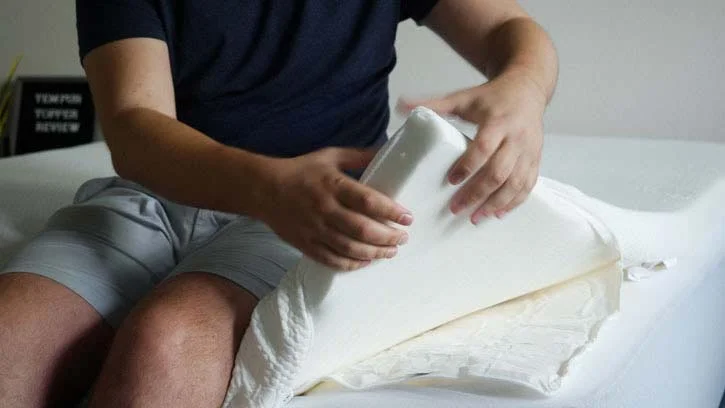
Memory foam remains one of the most popular materials for mattress toppers. If you’re a back or side sleeper with back pain, this material can help alleviate the pressure. Thanks to its slow-moving feel, you’ll really sink into it. This creates a comfy body contour around the lower back, helping soothe pain.
On the downside, memory foam tends to overheat at night. If you already struggle with this, we recommend looking for a cooling memory foam topper. Graphite and gel infusions help pull heat away from the body, and open-celled foams promote airflow.

Latex
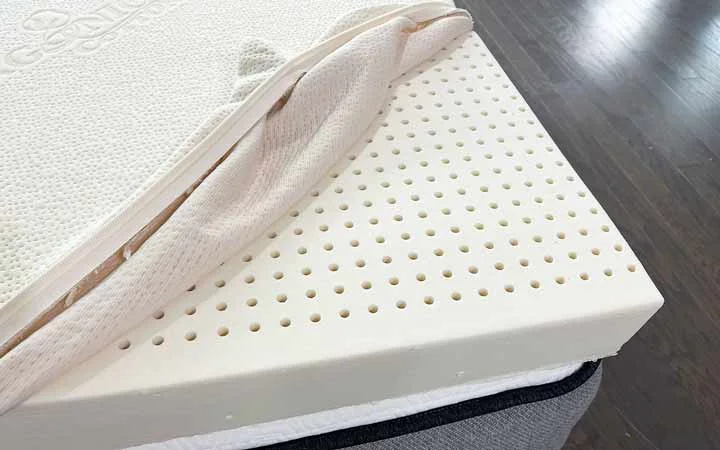
If you love a mattress topper that feels bouncy and responsive, look for something made out of natural latex foam. Unlike memory foam, latex quickly springs back into place after you apply pressure. This has many benefits. First, because it won’t sink in too much, this material doesn’t trap body heat. Also, latex lasts much longer than many other materials.
Many latex toppers feel quite firm, which could make them work well for stomach sleepers. Some studies show that latex is actually more pressure-relieving than memory foam, so softer latex mattress toppers could be great for side or back sleepers. I will note that organic latex, however, can drive up the price, making some latex toppers too expensive for budget shoppers.
Down
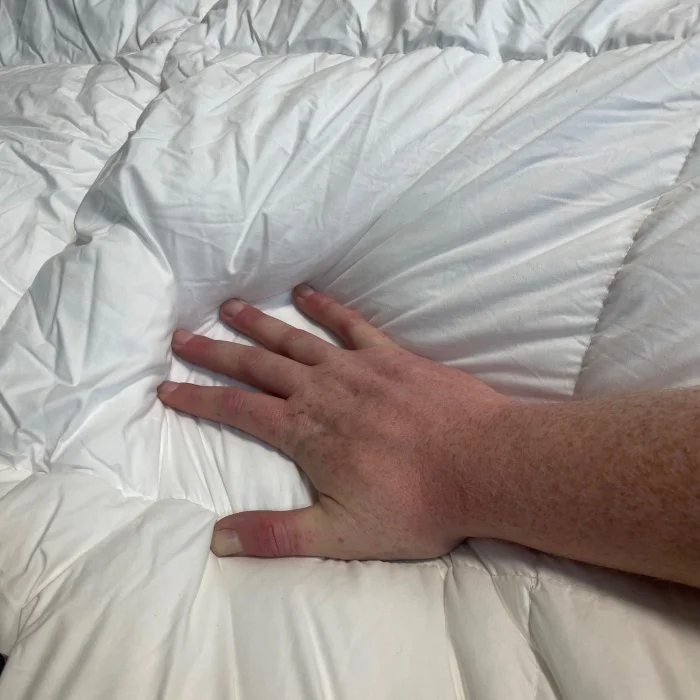
Down toppers are made from goose or duck plumage and create a soft, malleable feel while acting as a natural insulator in both cold and warm climates. Many like down toppers because they give the feeling of a pillow top. They don’t provide much support, though, so we don’t recommend them for people dealing with back pain.
The process of harvesting down, when done ethically, is very complex, so down products are often more expensive. If you are looking for a similar feel for cheap—or you suffer from allergies—you may want to look for a topper made with down alternative, which is made up of similarly soft hypoallergenic fibers.
Wool
Wool mattress toppers don’t create much pressure relief, so they may not work well for back and side sleepers dealing with pain. However, if you’re a stomach sleeper, a wool topper could help you stay in the proper alignment.
This material can get pricey, but it does have many benefits. First, it helps regulate temperature. Wool stays dry in the summer and warm in the winter. These toppers also last a long time and add an extra layer of comfy softness. Organic wool is a popular choice for eco-conscious shoppers seeking a sustainable product.
Coils
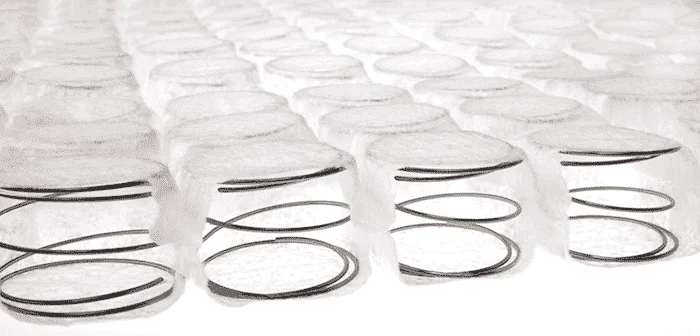
Coils in mattress toppers are a newer innovation. Often, these toppers will contain a layer of micro-coils topped with a comfort layer, creating a sort of miniature hybrid mattress on top of your existing mattress.
Like we recommend for mattresses, coils are generally more supportive than foam and latex, so microcoil toppers could be great picks for back pain—especially if your current mattress is lacking in that department. However, these toppers tend to be firmer and more expensive than some of the other options, so they may not work for all sleeper types.
Sleeping Position and Body Weight
When you regularly experience back pain, it’s especially important to make sure your bed promotes the proper spinal alignment in your sleeping position. “Different sleeping positions require certain firmness levels and feels to maintain comfort,” says Dr. Dasgupta. “It’s important to take this into account when choosing a mattress or mattress topper.”
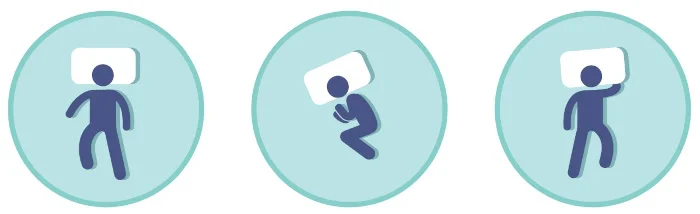
Back sleepers will need a mattress that provides both comfort and support. They’ll need some body contouring and pressure relief along the lower back. But if it’s too soft, the bed could cause back sleepers to rest in an unnatural position.
Side sleepers will need some extra pressure relief along the shoulders and hips so that they may benefit from a thick memory foam topper. Stomach sleepers need firm beds to keep their backs in proper alignment.
“How much you weigh can also affect how a mattress topper feels,” says Dr. Dasgupta. Sleepers over 230 pounds may sink quickly into a mattress surface, and the same goes for toppers. Thus, they may want to invest in a thicker topper that’s a bit firmer for better support. Sleepers under 130 pounds can have the opposite problem, and therefore may do fine on thinner toppers, or require a softer surface to glean more sinkage and pressure relief.
Cooling
If you’re overheating on your mattress each night, a topper can do a world of good for keeping you cool. Many mattress toppers feature cooling elements, especially if they’re made with memory foam (which, unfortunately, is notorious for its heat-trapping properties). These might be gel, graphite, or copper infusions, or adjustments to the structure itself—such as open-celled foams. Some might use more breathable materials like latex.
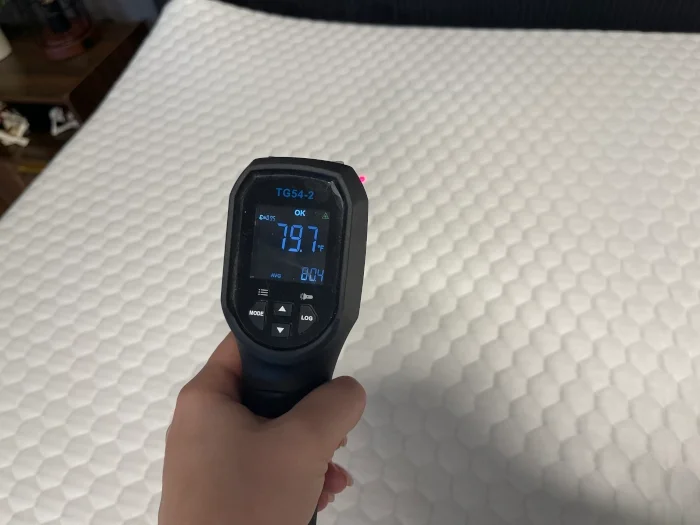
But how do you know if a cooling mattress topper is truly cooling? Leave that to us. In our studio, we use a thermal gun to measure the surface temperature of sleep products. We record the temperature in two instances—first, before anyone has gotten on the bed or topper, and a second time after someone has been lying on it for a few minutes. This increase in temperature shows just how much excess heat a mattress holds onto or helps to dissipate.
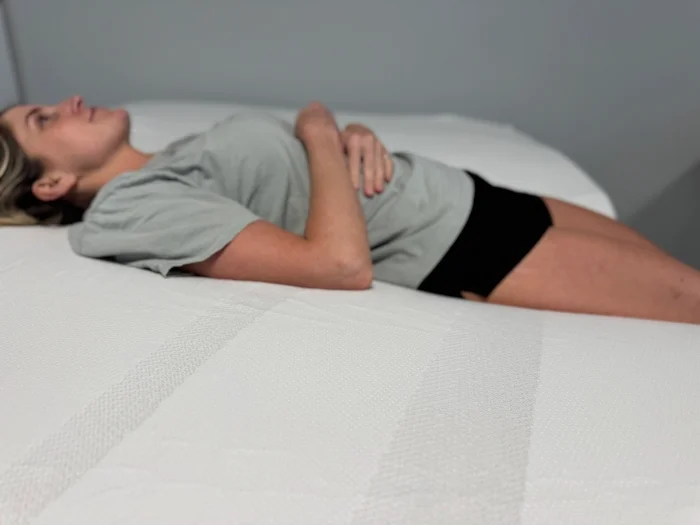
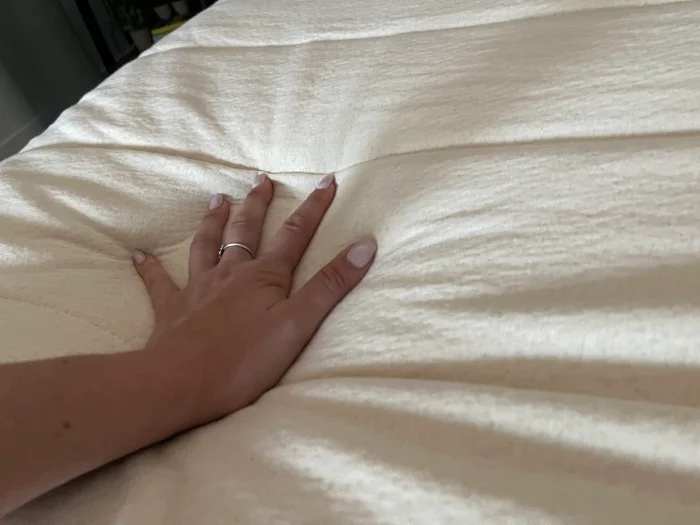
Of course, our testers also give their opinion on how the topper feels beneath them. They note whether it feels cool to the touch or temperature-neutral. Based on their assessment and the temperature test results, they rate the topper’s temperature regulation out of 5.
Price
Toppers come in a variety of different price points. For the most part, a budget yet quality topper will cost you between $100 and $200. Luckily, we’ve included options that should work for a wide range of budgets. We also rated the value of each topper out of 5, taking into account the topper’s construction quality and performance when compared to how much we paid for it.
In general, mattress toppers don’t last as long as mattresses. Some, however, can last for up to five years. Sometimes it’s worth paying more up front to get something that lasts. But if you’re only sleeping on the topper occasionally, you may not need to invest in a high-end model.
When deciding if the price is right, be sure to take full advantage of any company policies. Many mattress toppers come with a sleep trial, which is a period of some odd nights to get a feel for the product. You can usually return it for a full refund, provided it’s in acceptable condition and within the trial period. Also be aware of the topper’s warranty: Not only can it help if your topper starts to sag or dimple unexpectedly, but its length is a preview of the product’s longevity, as backed by the manufacturer.
FAQs
What is the highest-rated mattress topper for back pain?
Our top pick for the best mattress topper for back pain is the Silk & Snow Organic Mattress Topper, which comes highly recommended. This latex foam topper uses responsive material to provide ample support for people who deal with back pain, and it’s available in two firmness options.
What thickness of mattress topper is best for back pain?
We recommend mattress toppers at least 2 inches thick for back pain. This will significantly change the feel of your mattress, which can hopefully go a long way toward alleviating pain.
Do mattress toppers really help with back pain?
A mattress topper can definitely help with back pain, especially if the cause is your mattress. If your bed has reached the end of its lifespan, it might need revitalization, which a mattress topper can provide. If your bed is too soft or too firm for you to maintain proper alignment, a mattress topper can help you achieve the feel you prefer. Sometimes, it might not be enough, at which point we’d recommend you purchase a mattress designed to help back pain.
Is a soft or firm mattress topper better for back pain?
This depends on your current mattress, plus your individual needs and preferences. If your current mattress is too soft and causing you back pain, you might like a firmer and therefore more supportive topper. But if your mattress is too firm and causes pressure to build up, a softer topper would be better. We generally recommend you aim to create a medium-firm sleep surface, as this balanced feel is best for back pain.
References
- Radwan, A., Fess, P., James, D., Murphy, J., Myers, J., Rooney, M., Taylor, J., & Torii, A. (2015). Effect of different mattress designs on promoting sleep quality, pain reduction, and spinal alignment in adults with or without back pain; systematic review of controlled trials. Sleep Health, 1(4), 257–267. https://doi.org/10.1016/j.sleh.2015.08.001
- Low, F.-Z., Chua, M. C.-H., Lim, P.-Y., & Yeow, C.-H. (2017). Effects of Mattress Material on Body Pressure Profiles in Different Sleeping Postures. Journal of Chiropractic Medicine, 16(1), 1-9. https://doi.org/10.1016/j.jcm.2016.09.002