We receive free products to review and participate in affiliate programs, where we are compensated for items purchased through links from our site. See our disclosure page for more information.
Written by Livvi DiCicco, Certified Sleep Science Coach
Livvi has been writing and researching sleep-based content for over a year. This, alongside her penchant for napping and extreme tossing and turning, has made her something close to an “expert” in the realm of sleep science, sleep products, and sleep accessories. She’s been consulted for her knowledge of the sleep space by publications such as Authority Magazine, Bustle, and Livingetc.
Livvi has been writing and researching sleep-based content for over a year. This, alongside her penchant for napping and extreme tossing and turning, has made her something close to an “expert” in the realm of sleep science, sleep products, and sleep accessories. She’s been consulted for her knowledge of the sleep space by publications such as Authority Magazine, Bustle, and Livingetc.
Livvi has been writing and researching sleep-based content for over a year. This, alongside her penchant for napping and extreme tossing and turning, has made her something close to an “expert” in the realm of sleep science, sleep products, and sleep accessories. She’s been consulted for her knowledge of the sleep space by publications such as Authority Magazine, Bustle, and Livingetc.
Caitlin has more than 15 years of experience writing about sleep and fitness. After getting an M.A. in journalism from the University of Missouri, she spent nearly a decade as a staff writer and editor at Runner’s World and Bicycling magazines.
Caitlin’s work has focused primarily on health, the outdoors, and parenting—and taken the form of everything from running shoe reviews to long, weepy personal essays about biking across the country. You can find her writing in Outside, Wirecutter, Lonely Planet, Men’s Health, ELLE, Popular Mechanics, Men’s Journal, Sierra Club Magazine, and more.
A side sleeper, lifelong sleepwalker (it’s a problem), and newly hardcore sleepmaxxer, when she’s not editing and writing about health and gear, she likes to ride bikes, run trails, and be under the covers by 9:30 p.m.
After Sosha began writing sleep-related content, she knew she wanted to learn more about this important (yet often elusive!) aspect of human health and well-being. She became a Certified Sleep Science Coach to better understand what goes into getting a good night’s rest—including one’s choice of mattress. Sosha now calls upon this training when she tests and writes about beds and sleep accessories, and when she’s consulted for recommendations by publications such as Livingetc.
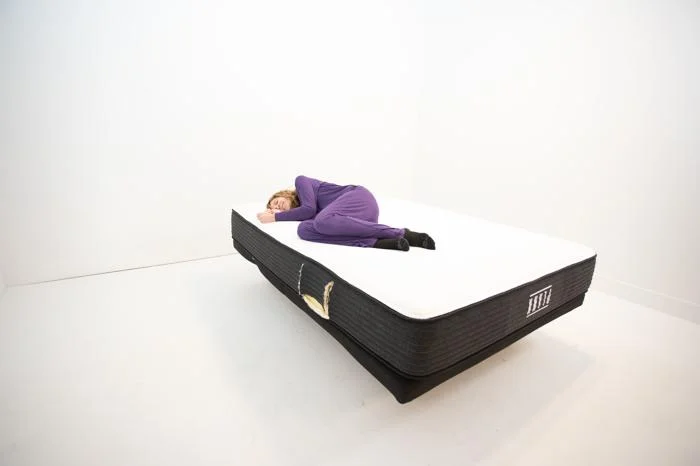
While some folks sleep only on their backs, sides, or stomachs, some of us like to mix it up a bit. If you switch between any or all of these sleeping positions, congratulations: You’re a combination sleeper—or a “combo sleeper” for short.
When looking for a new mattress, it’s essential for these sleepers to find one that works well for their ever-changing needs and preferences. The best mattresses for combination sleepers will be bouncy, versatile, and, most importantly, comfortable.
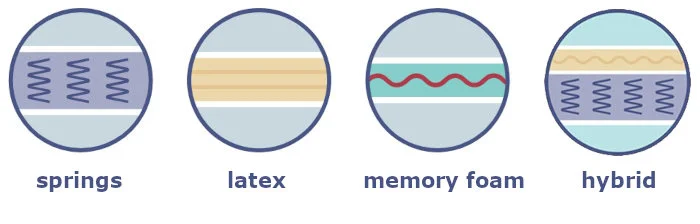
Our top picks check all these boxes and more, so you can find the right mattress. On this list, we have a bit of everything, from beds made of foam, with coils, or latex, to those made for heavyweight sleepers, couples, or folks with back pain.
Our Verdict: What’s the Best Mattress for Combination Sleepers?
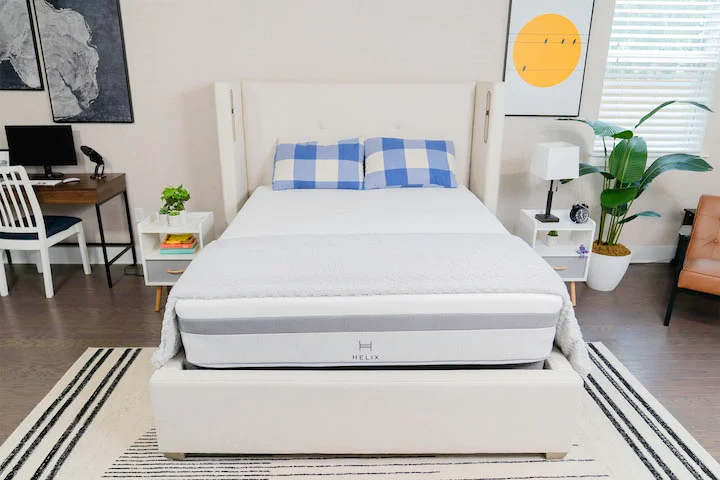
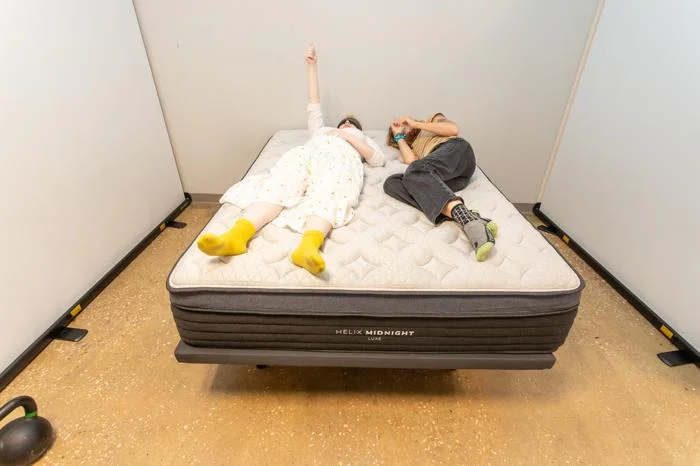
According to our tester feedback, the Helix Midnight Luxe is the best mattress for combination sleepers because it offers a balance of comfort and support to all three major sleeping positions. It also scored admirably in both response and edge support, two important areas for combination sleepers to maintain a comfortable sleep experience.
Latest Updates: In November 2025, we reviewed this list of the best beds for combination sleepers and made several changes based on recent testing. The Helix Midnight Luxe kept its top spot, but we removed models that scored too low in responsiveness and edge support. We added models that impressed us in those categories, including the DreamCloud, Bear Original, and Brooklyn Bedding Aurora Luxe.
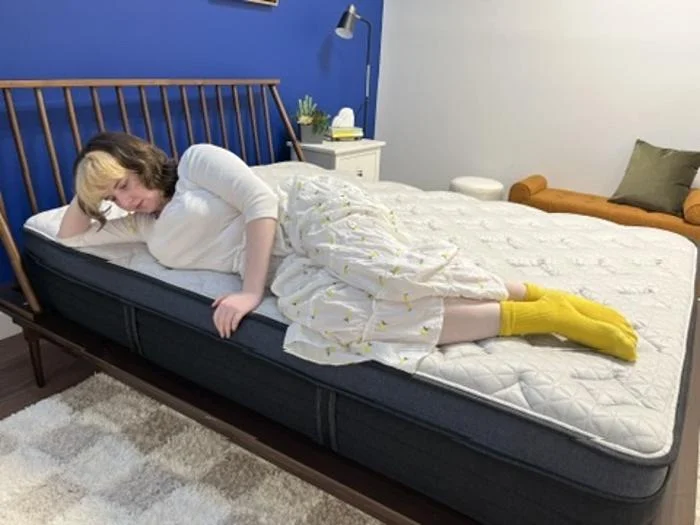
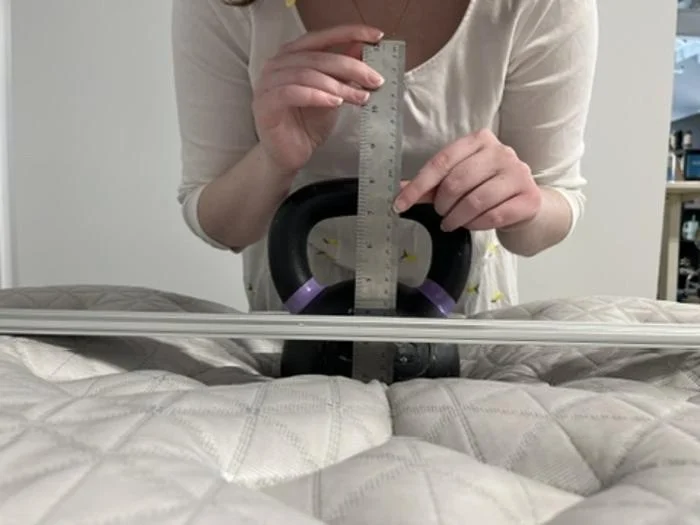
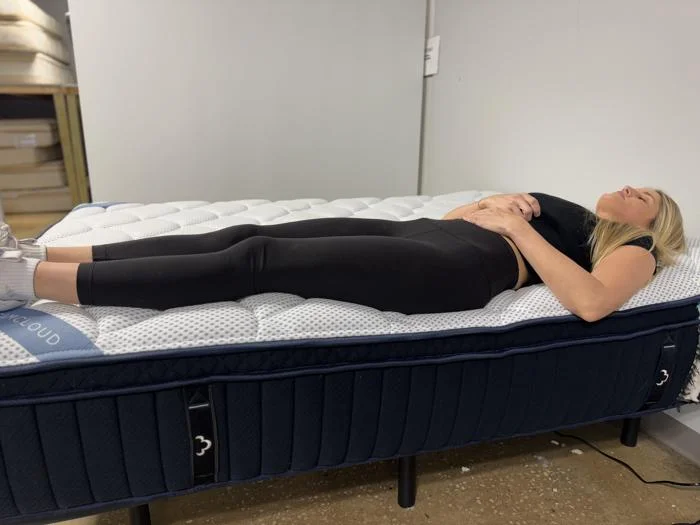
Combination sleepers will likely want a mattress that responds immediately when they switch positions. This means they should be able to move without feeling “stuck” in the mattress at any point.
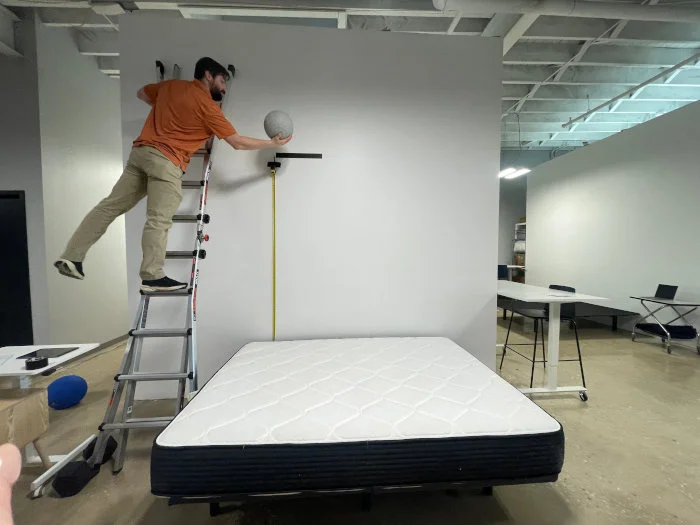
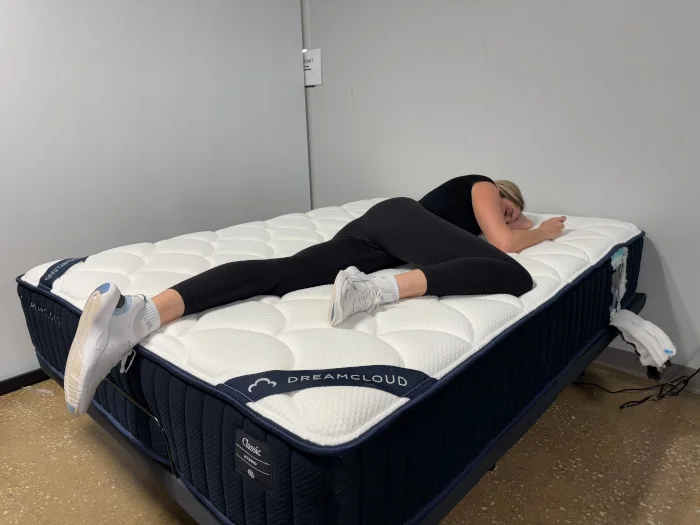
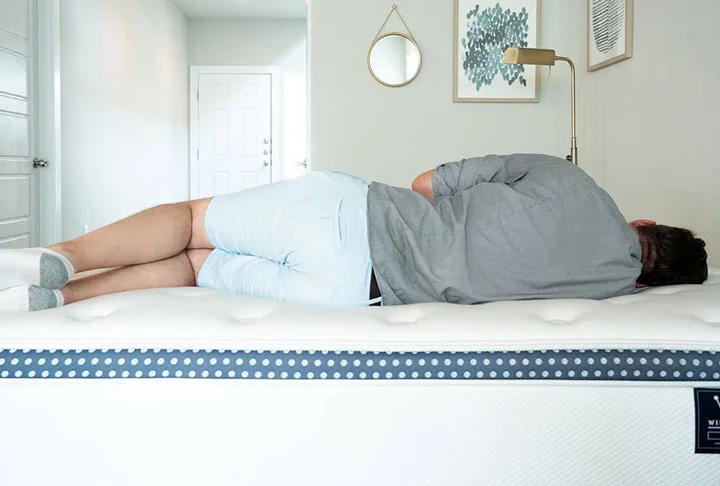
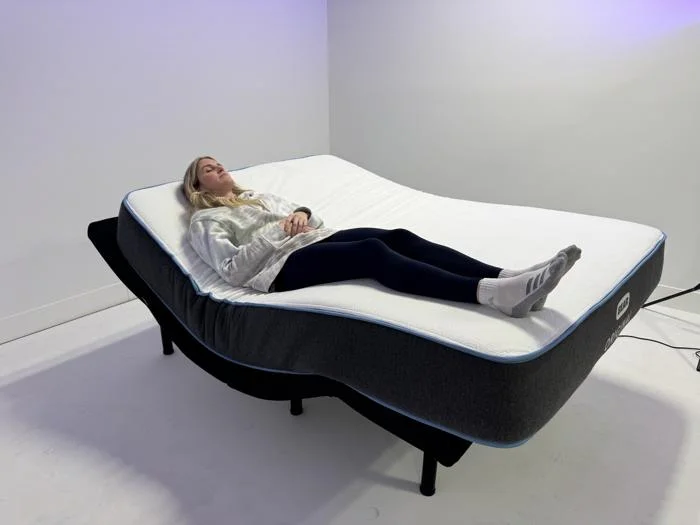
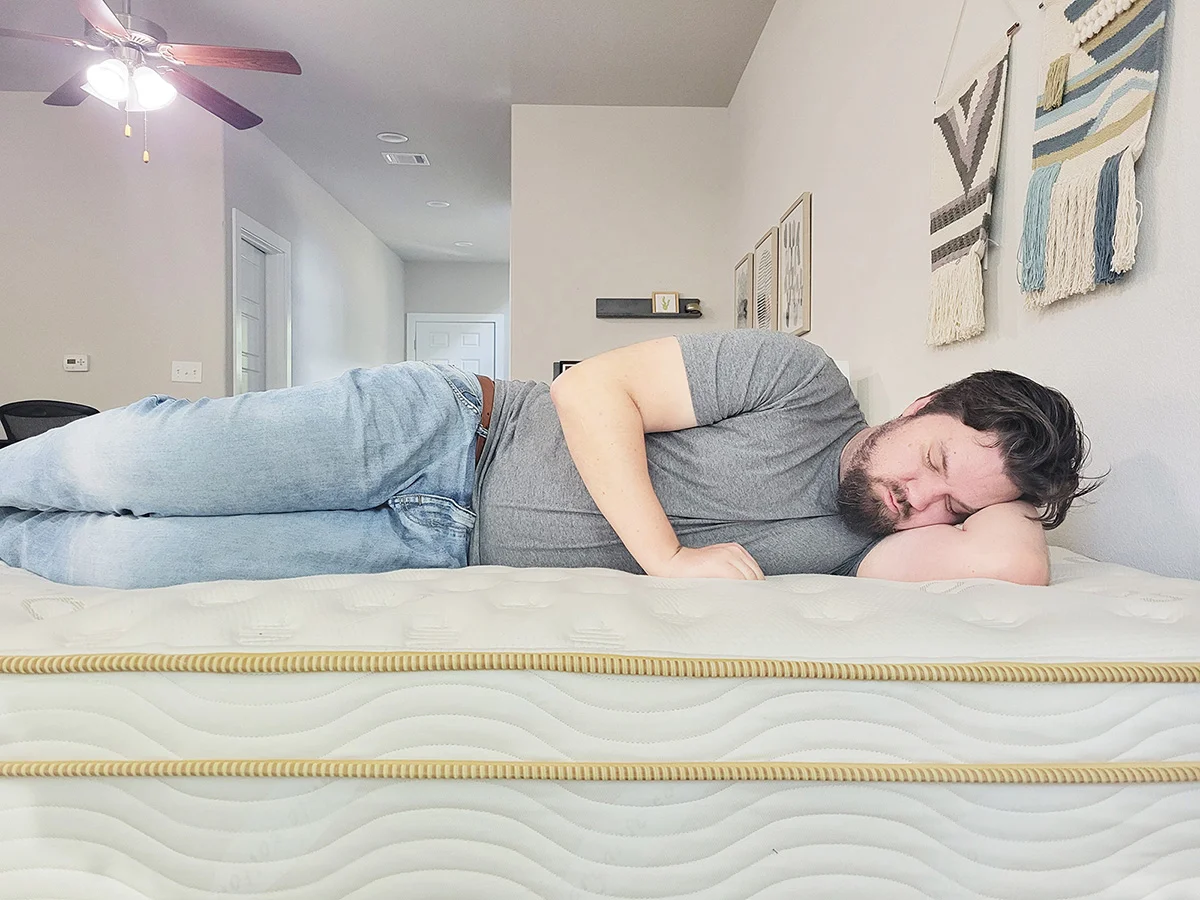
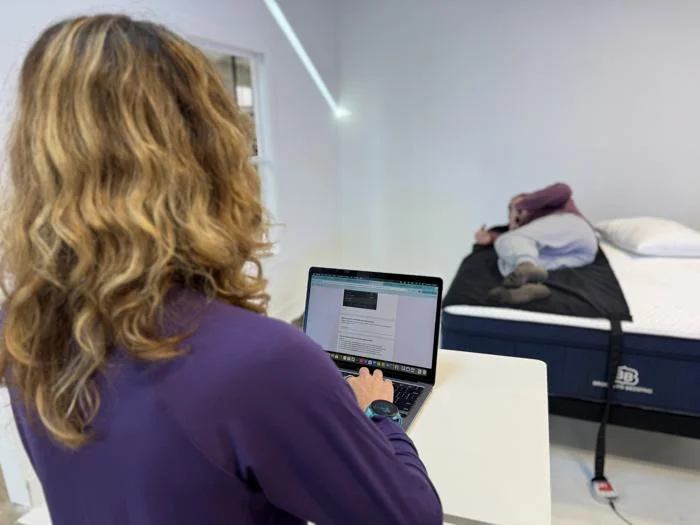
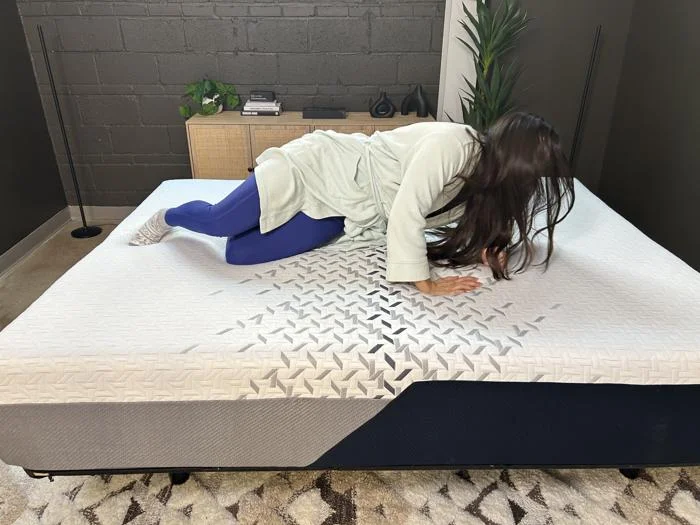
We test responsiveness by switching between each sleeping position on the surface of the mattress and judging how easy it feels, giving a final rating out of five. Generally, beds with coils or latex have more bounce than all-foam mattresses. Firmer beds are also less likely to have a slow-moving feel as they won’t contour to your body as much.
To make sure they’ll satisfy even the most restless of sleepers, all the beds on this list scored at least a 4/5for overall responsiveness.
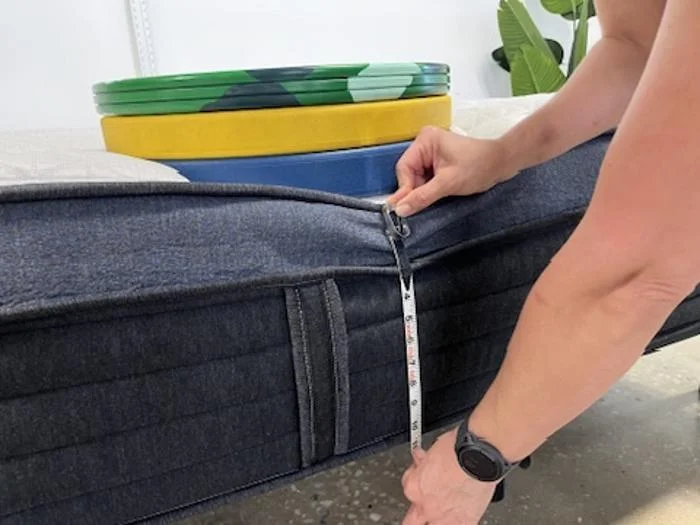
As a combination sleeper myself, I tend to end up toward the edge of the bed because of my constant tossing and turning. That’s why I recommend choosing a mattress that has top-notch edge support. It gives you more space to work with when it comes to getting comfortable and it’s a marker of durability. The less the perimeter of a mattress sags, the more likely it is to maintain its structural integrity over time.
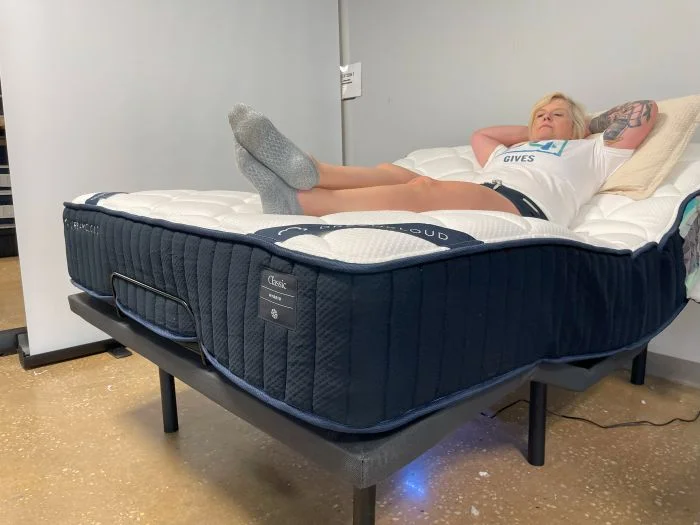
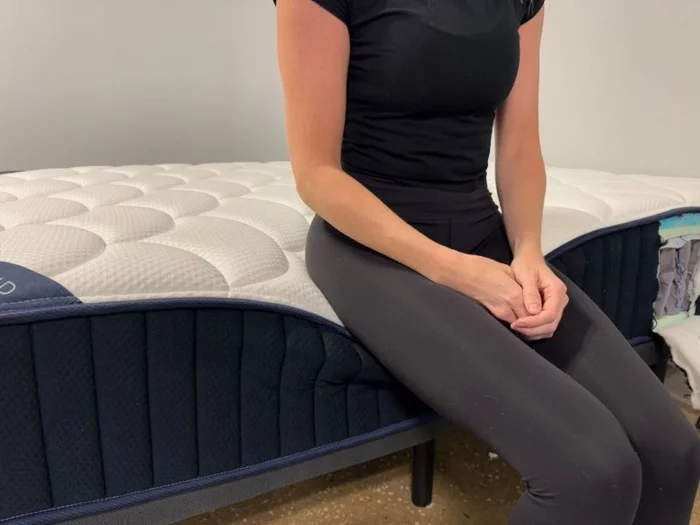
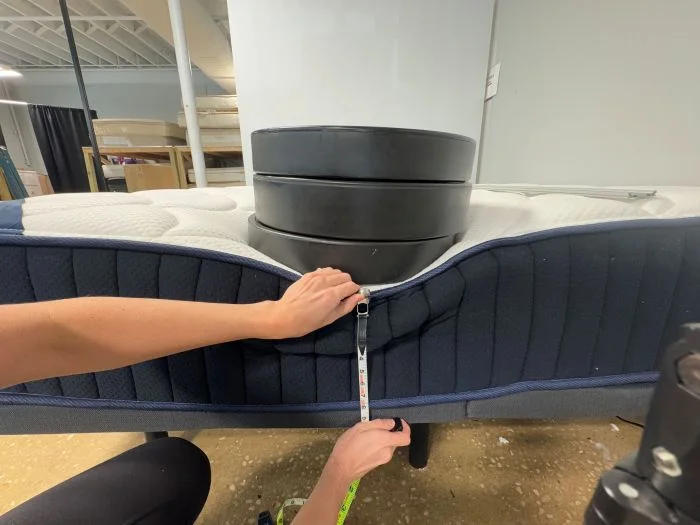
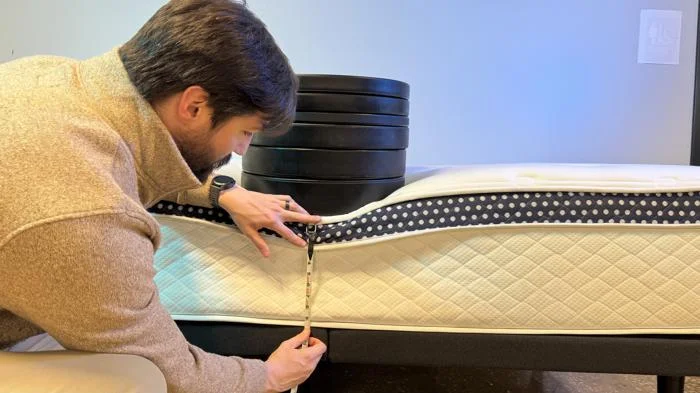
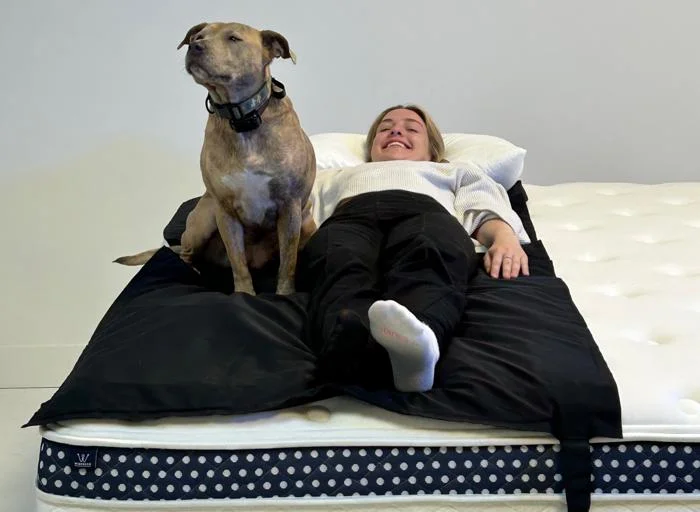
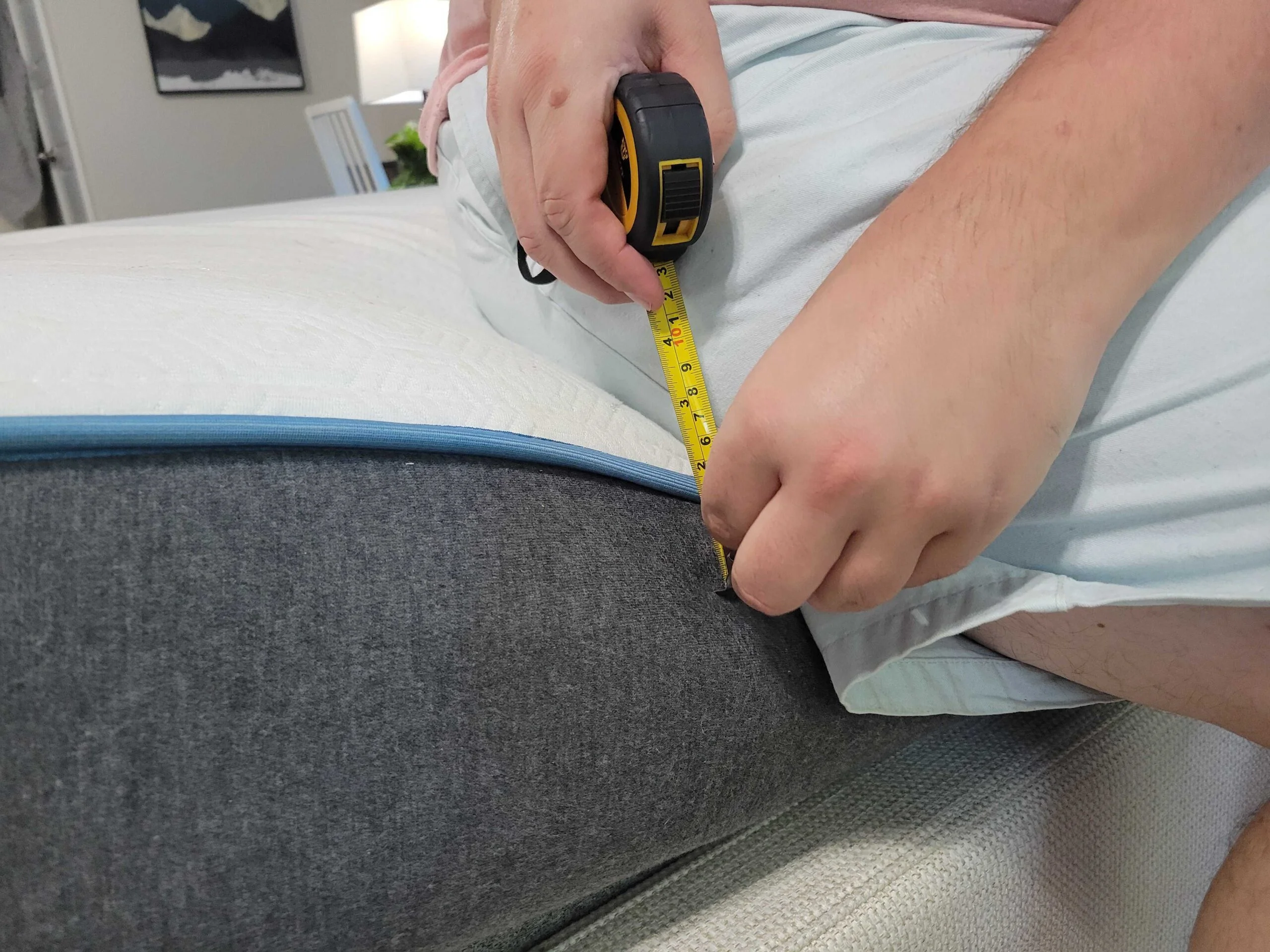
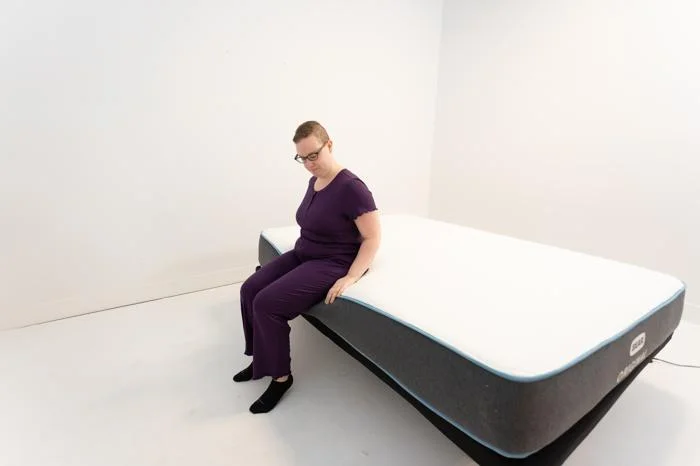
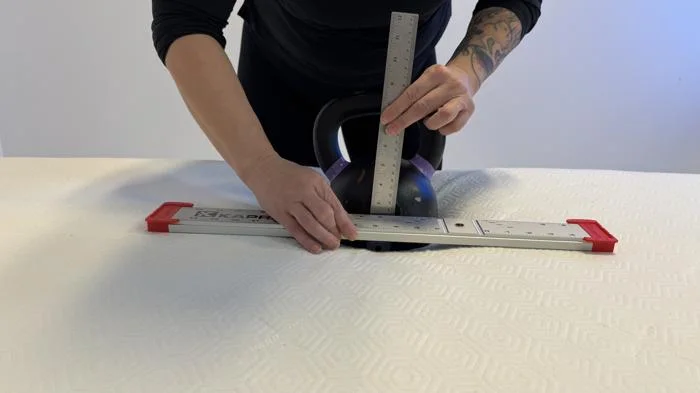
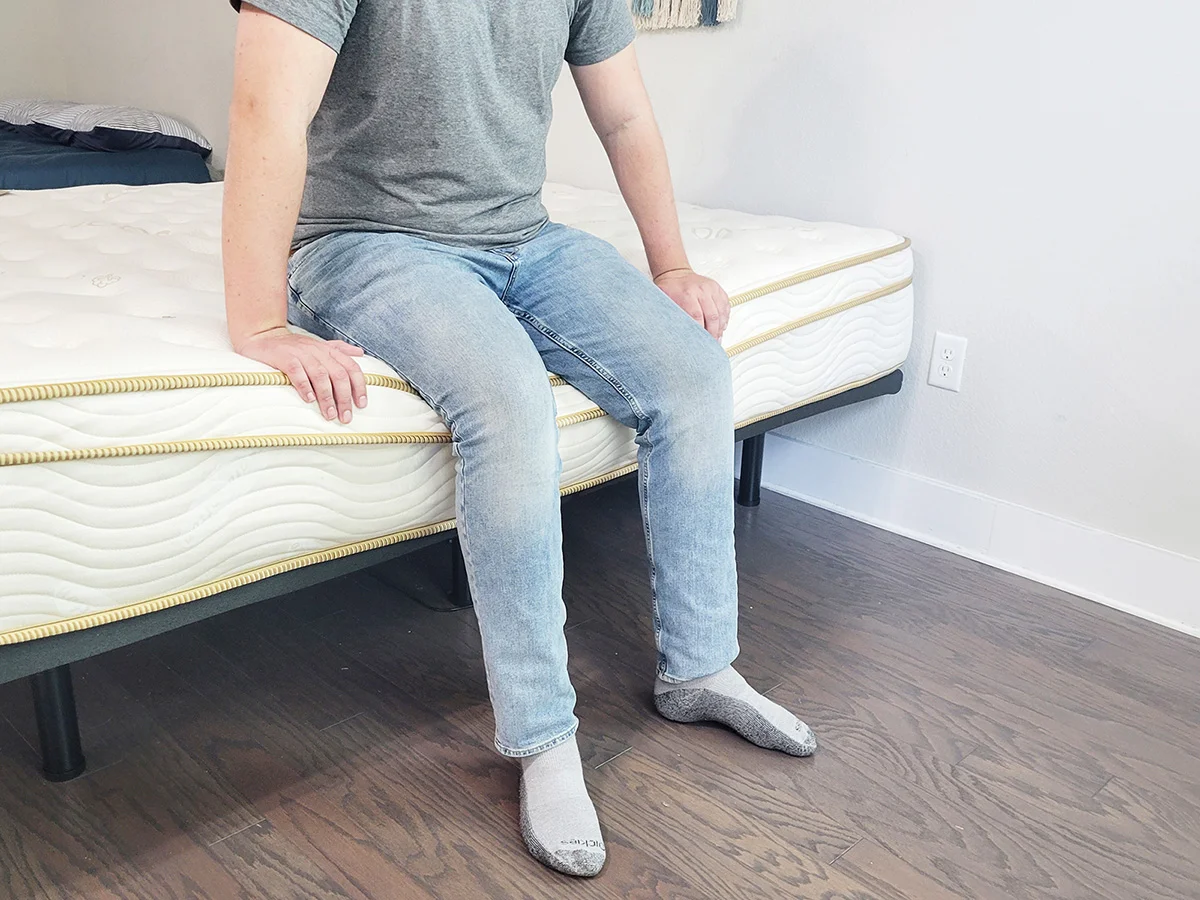
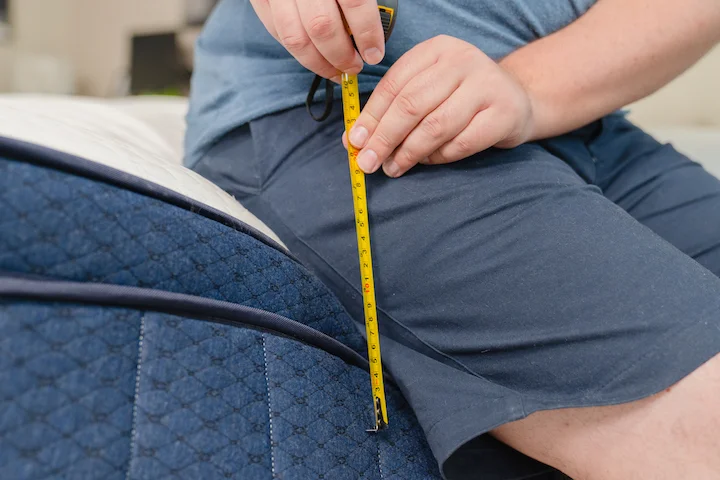
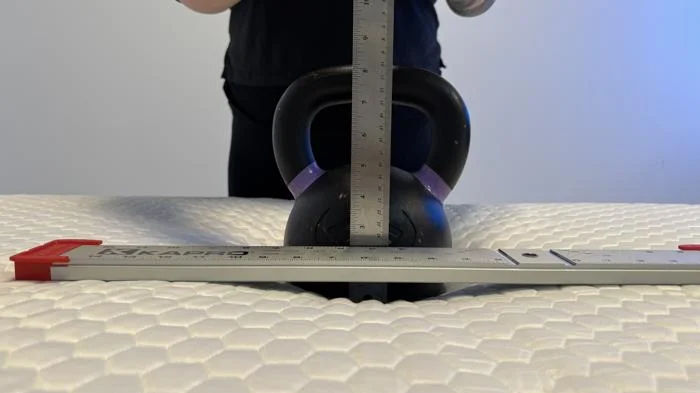
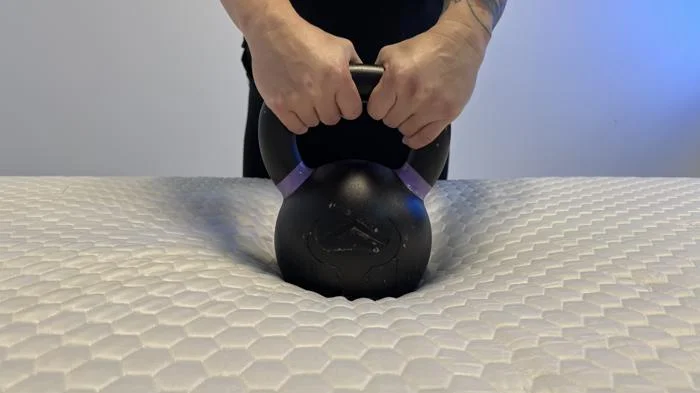
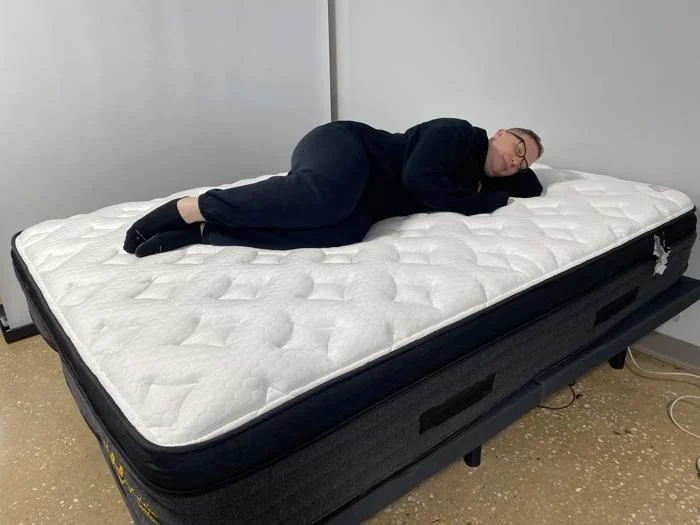
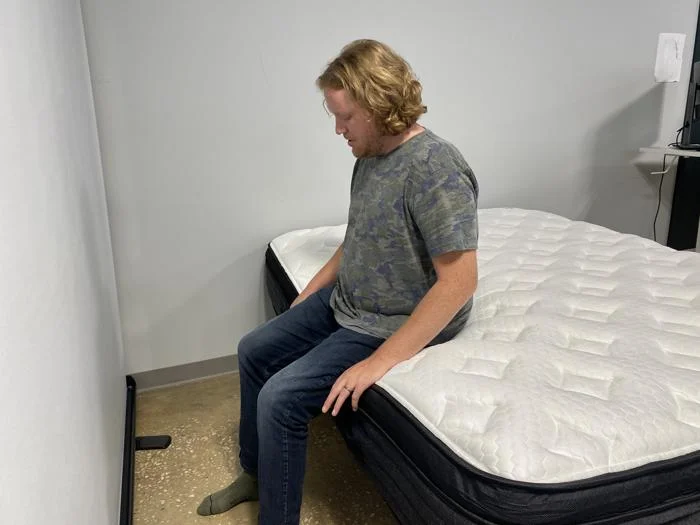
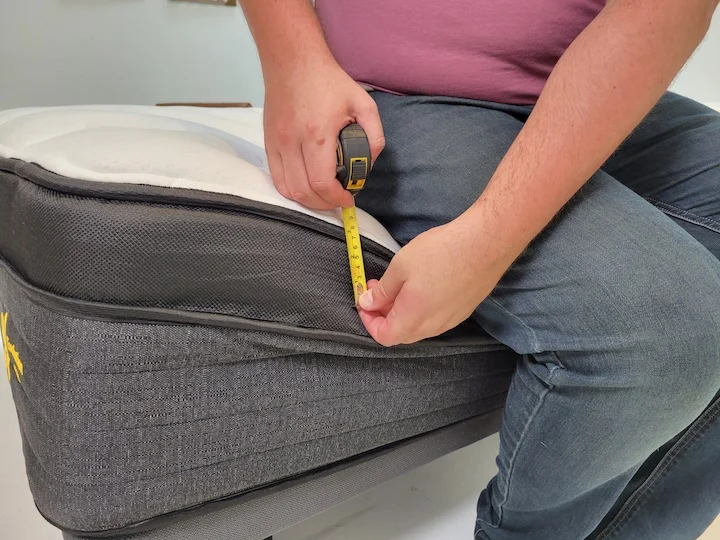
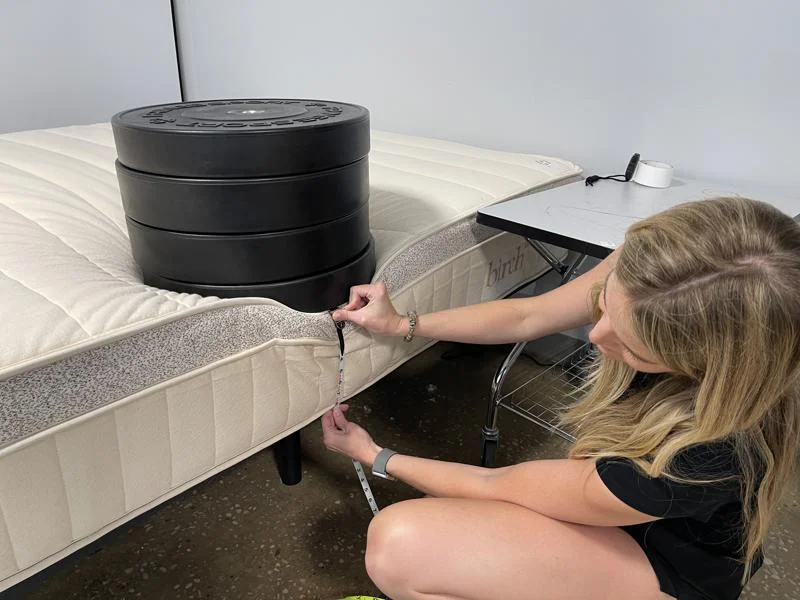
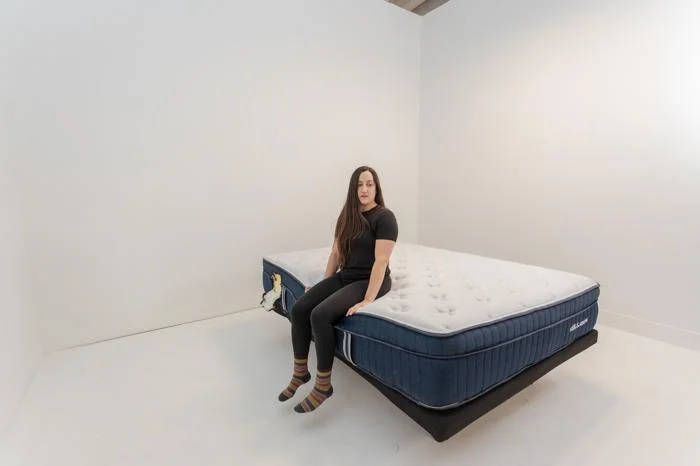
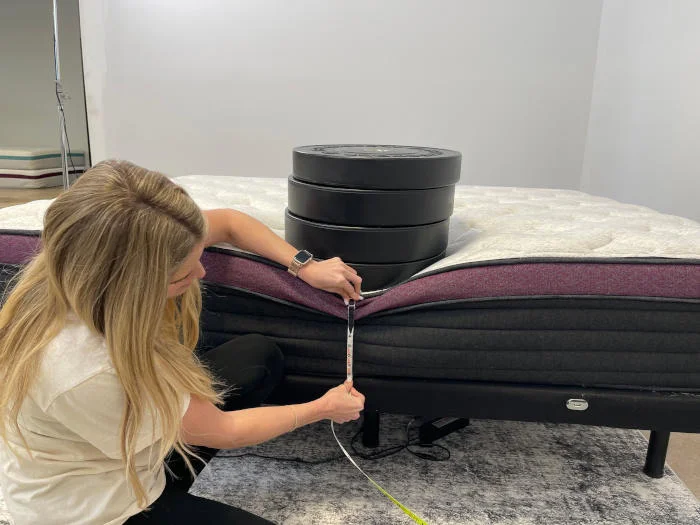
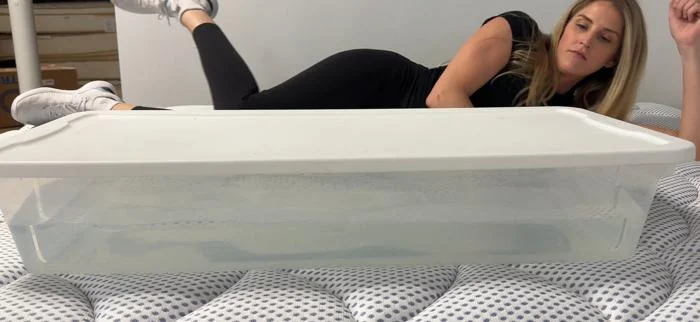
We test edge support by sitting and lying down on the edge of the bed, judging how secure we feel in each position out of five. We also stack weight plates along the edge to mimic different body types, then record and rate how much the mattress sinks beneath the added weight. The final score is an average of these scores, also out of 5. For this list, we chose beds that earned at least a 4/5 for edge support.
Combination sleepers flip-flop between two or three positions throughout the night, and it can be difficult to find a firmness level that accommodates all of them. We recommend a medium-firm mattress in this instance, as it offers a nice balance of softness and support that can work for multiple sleeping styles.
We rate firmness on a scale of 1 to 10, with medium-firm coming in at 6.5/10. The mattresses on this list fall at or around 6.5/10, with some exceptions for certain sleeper types (like those who weigh over 230 pounds and need something firmer, as an example).
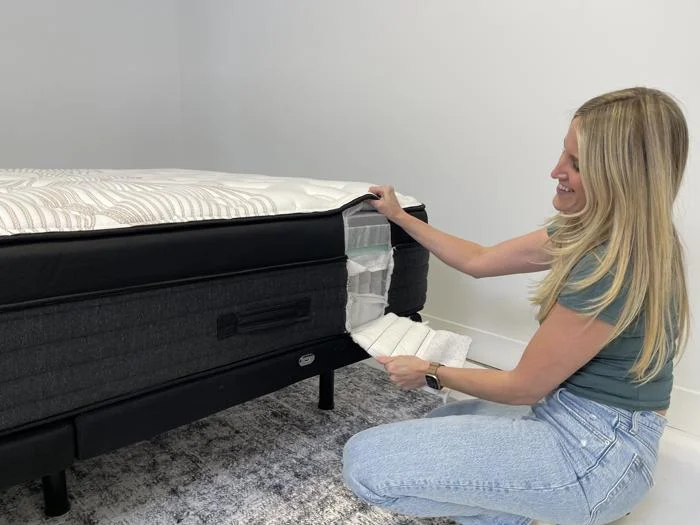
Our team of certified sleep science coaches selected the best beds for combination sleepers by looking for top performers in the categories above: responsiveness, edge support, and a versatile firmness.
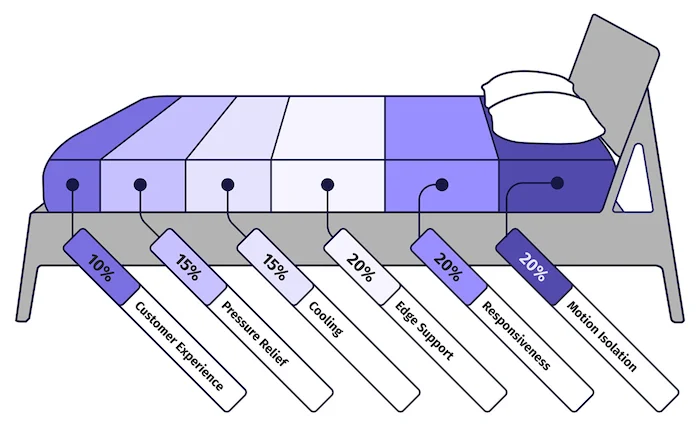
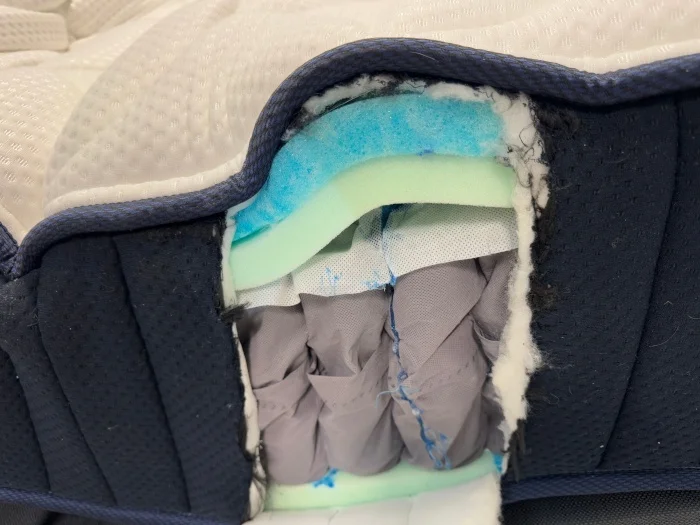
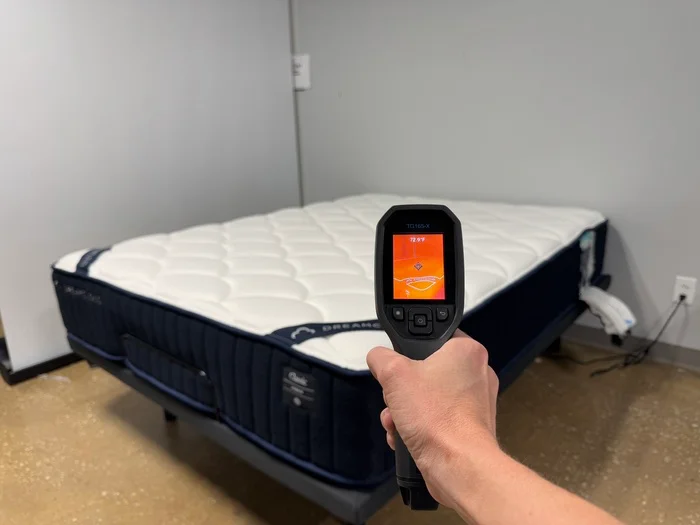
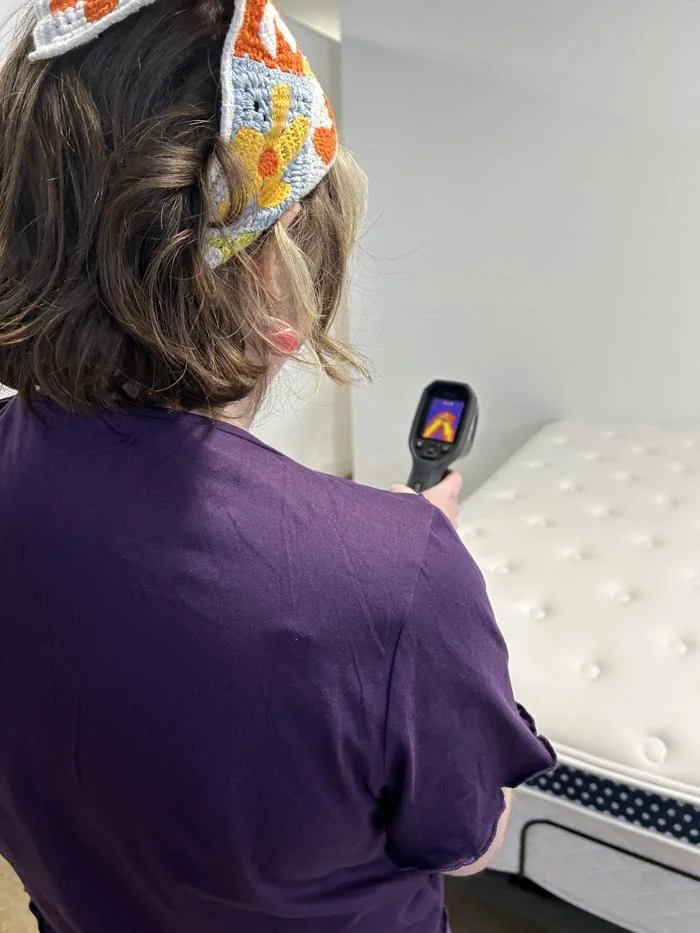
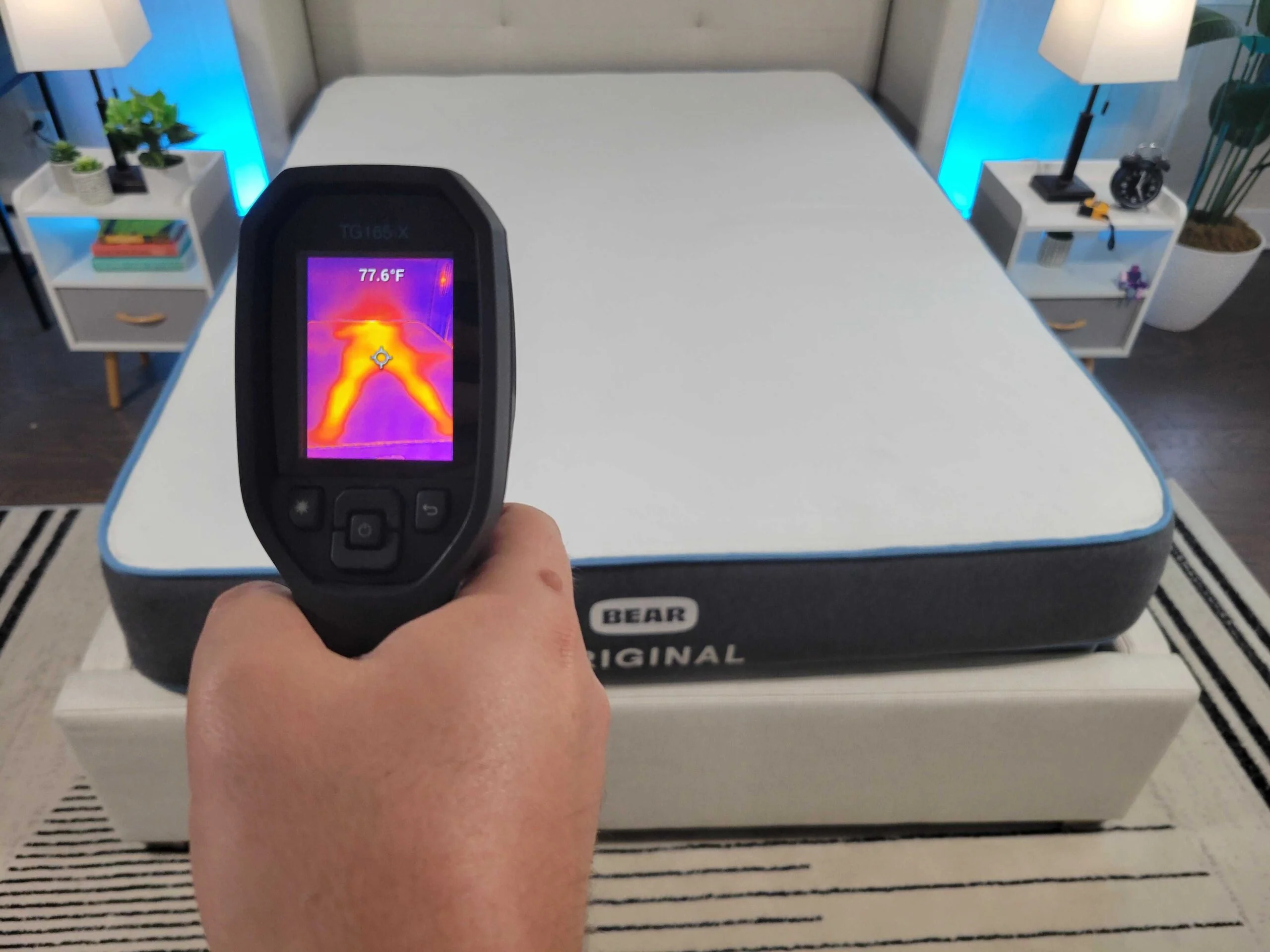
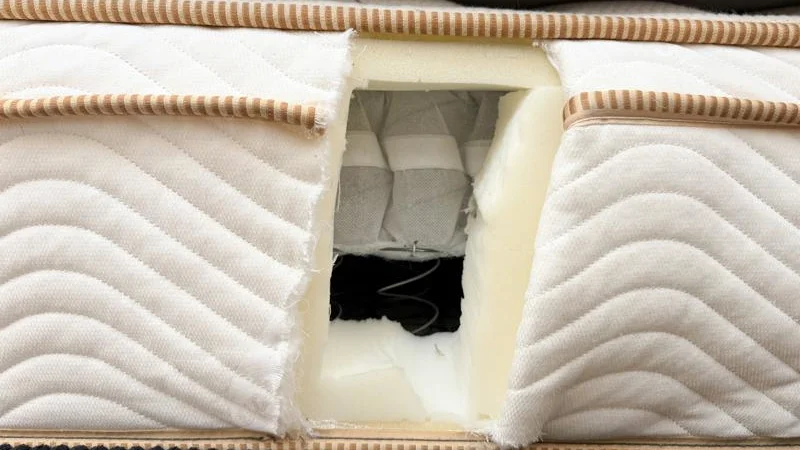
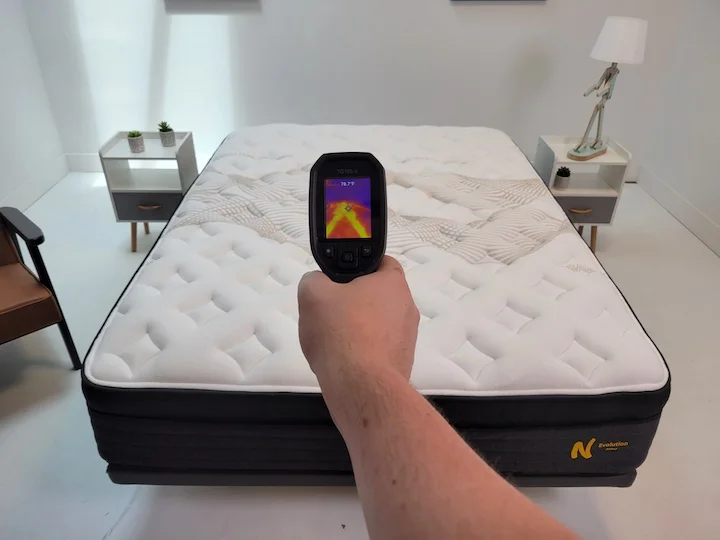
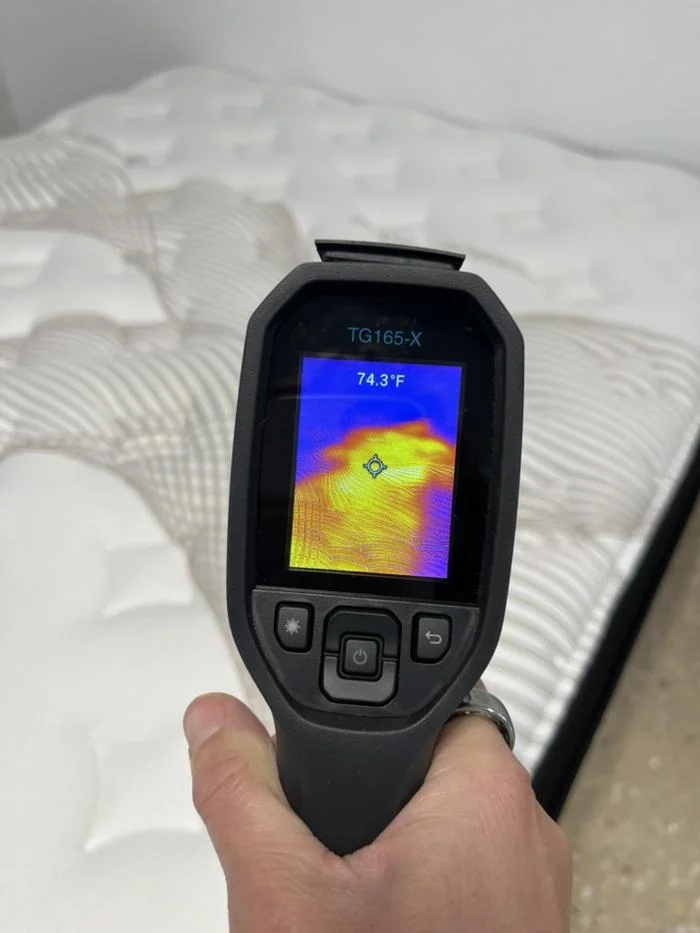
But our full process involves testing several aspects of a bed’s performance, including temperature regulation, pressure relief, and more. We evaluate and score these factors using specialized technology as well as firsthand accounts of how a bed feels to testers with different body types.
Once we have all those scores, we calculate the bed’s overall score using a weighted formula. This overall score is a good indicator of a mattress’s general quality, and is always a number out of 5.
As we decide which mattresses to feature on any roundup, we only include beds with an overall score of 3.5 out of 5 or higher. Even if a mattress does certain things well, we won’t point you towards it if it falls below this baseline.
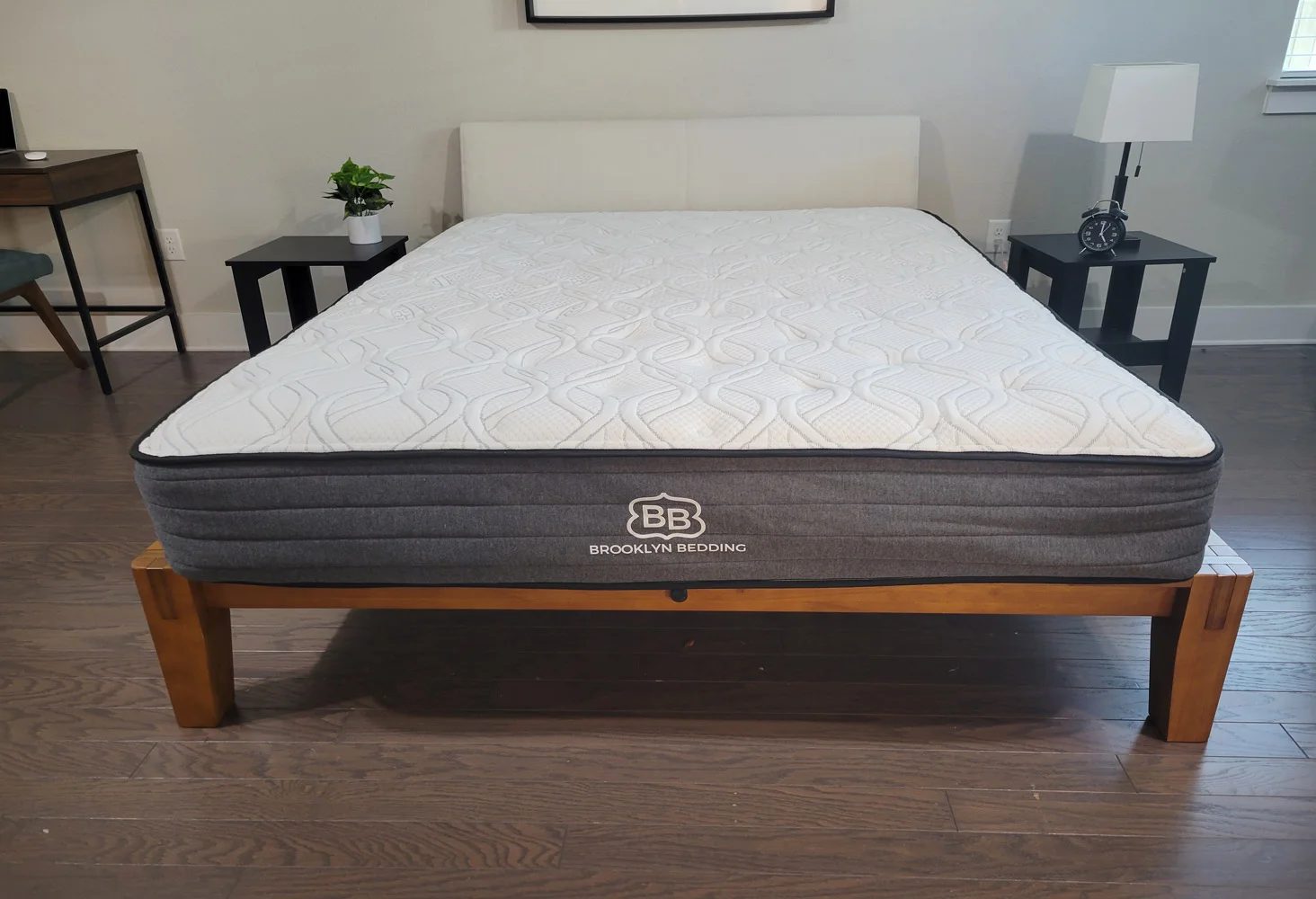
The Brooklyn Bedding is a value-packed bed that is offered in multiple firmnesses. It was a solid performer across all testing perimeters and it should work for a variety of sleepers. We think couples will appreciate that it is responsive and isolates motion well.
25% Off Sitewide & 30% Off Dorm Essentials (Toppers, Pillows, and Protectors)
The Loom & Leaf is a luxury memory foam mattress that delivers a subtle hug-like sensation. Upgraded lumbar support makes it ideal for back sleepers, and we were impressed by the bed’s outstanding motion isolation and responsiveness. While the former isn’t unusual for memory foam, ease of movement isn’t common for this material. The Loom & Leaf scored very well in our edge support tests — also atypical for all-foam models — making it a great option for couples who appreciate the feel of memory foam. Our only quibble? It wasn’t especially cool.
$350 Off Orders of $1,000 or More with Mattress In Cart
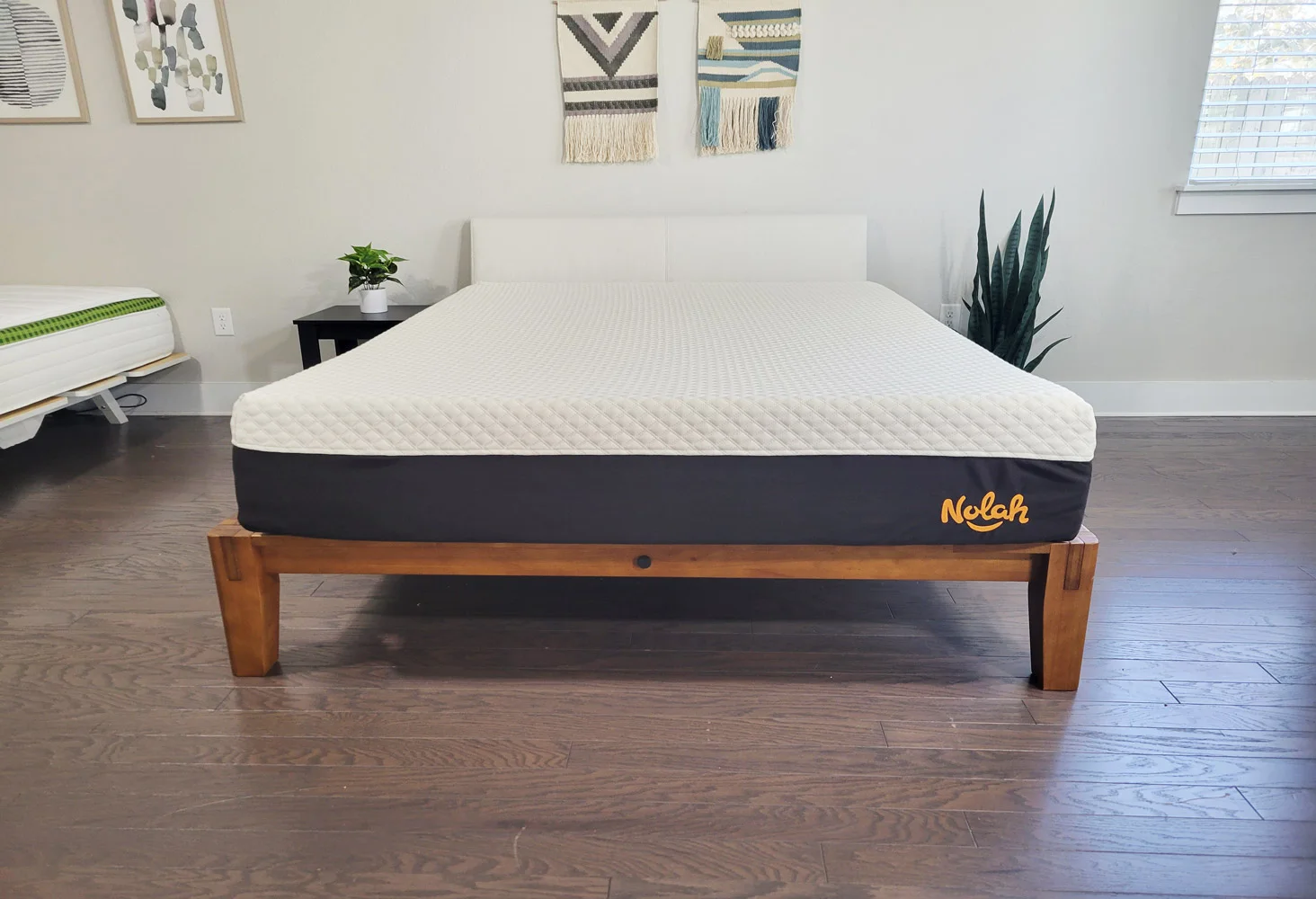
The Nolah Natural mattress, made entirely out of eco-friendly materials, feels both supportive and comfy. Back sleepers will especially appreciate its zoned coil system.
35% Off Sitewide, Additional $50 Off with Code CLARITY50
The Brooklyn Bedding Aurora Luxe is offered in three firmness levels and features a durable hybrid construction. Our testers found that this mattress blends soft comfort with firm support to deliver quality pressure relief for sleepers. Those who sleep with a restless partner, may want to steer clear because of its subpar motion isolation, and despite having cooling in its name, this mattress didn’t blow us away in that category.
25% Off Sitewide & 30% Off Dorm Essentials (Toppers, Pillows, and Protectors)
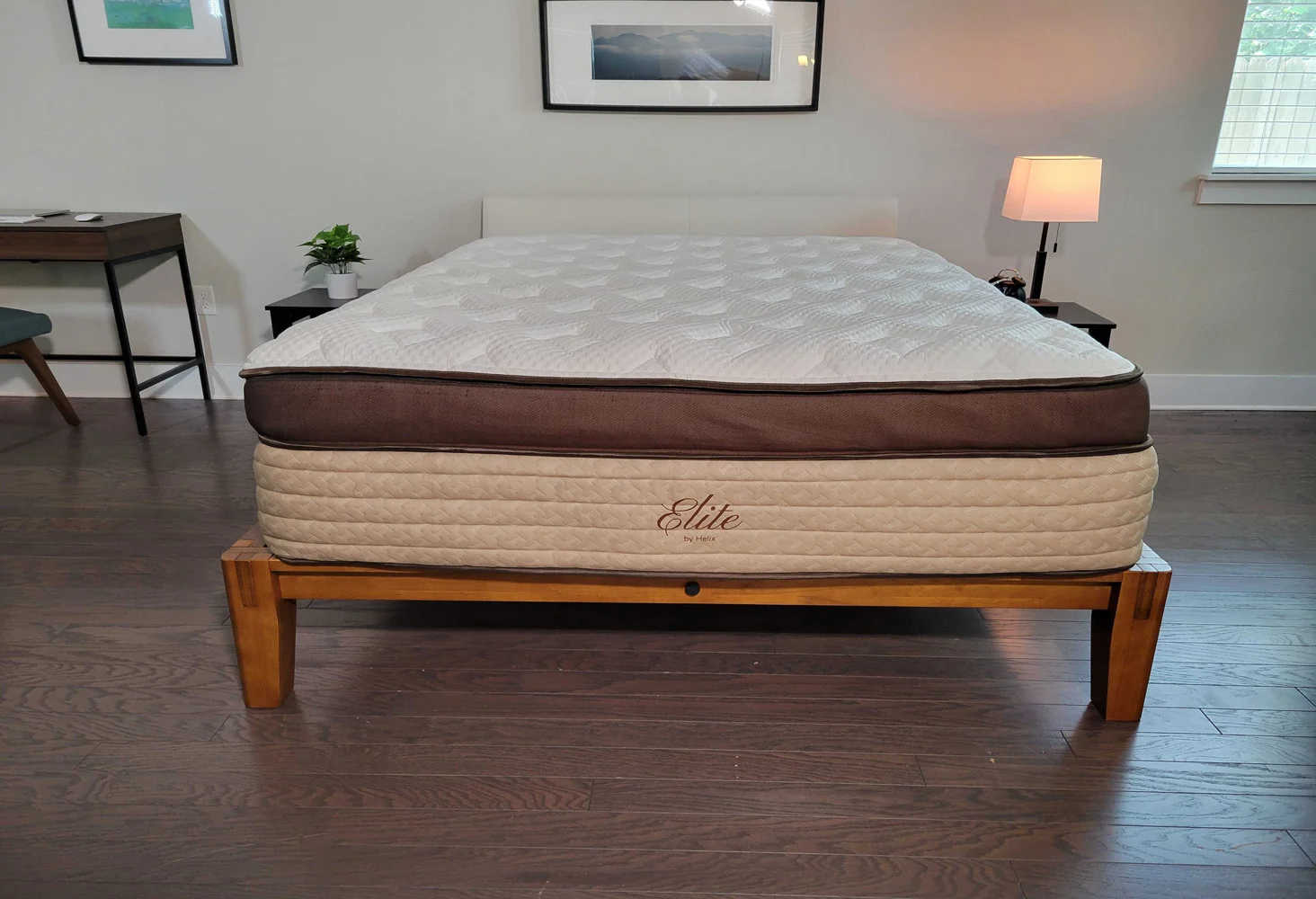
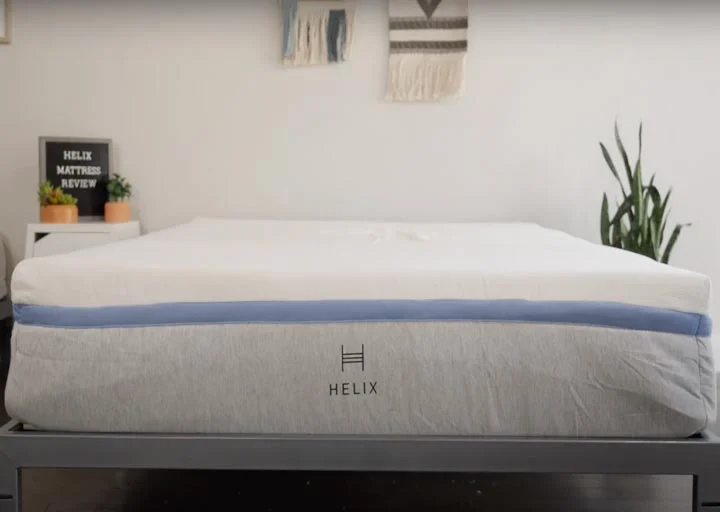
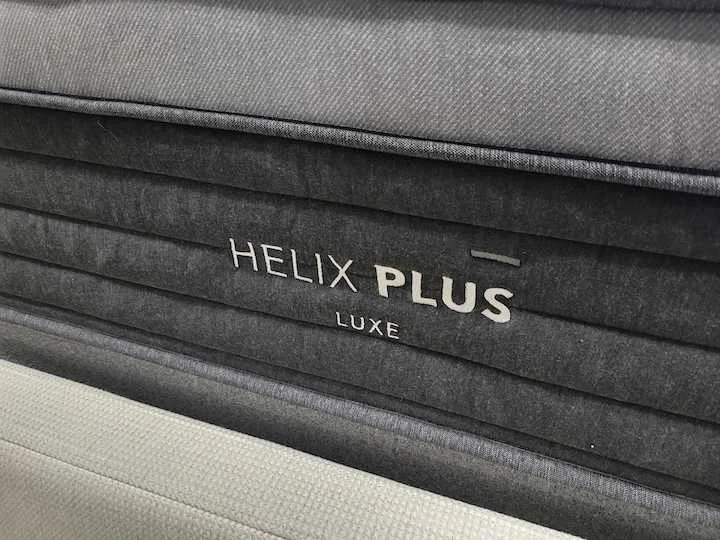
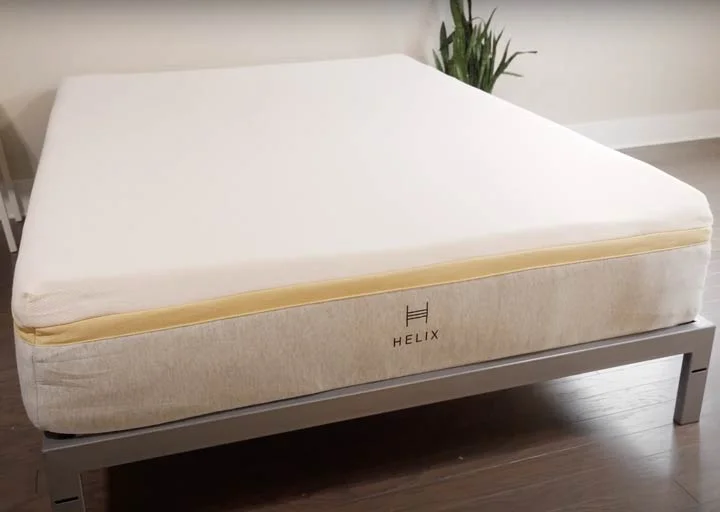
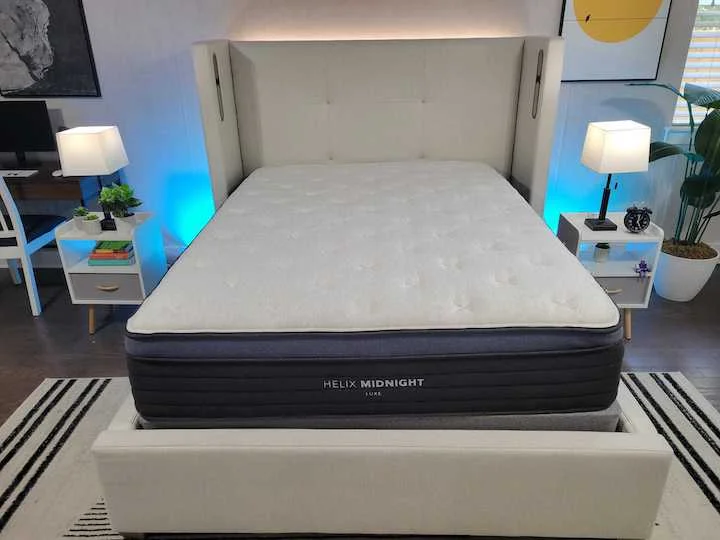
The Helix Midnight Luxe is a premium medium-firm mattress that offers a hotel-like feel for a relatively affordable price. Its zoned support and supportive coil layers make it a great option for back sleepers. The only element in which it scored below average was responsiveness, so if you like a super bouncy bed or you’re a restless combination sleeper, consider another model.
20% Off Sitewide with Code LDW20; 25% Off Luxe Mattresses with Code LUXE25; 30% Off Elite Mattresses with Code ELITE30
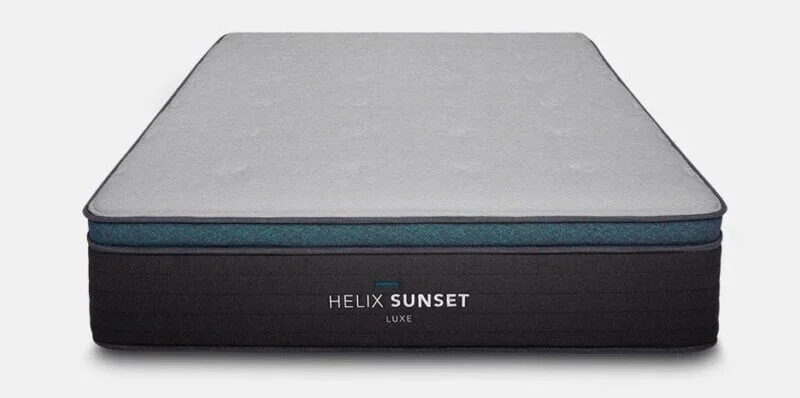
The Sunset Luxe is one of Helix’s softest options in its luxury hybrid collection. However, it provides plush pressure-relieving comfort while maintaining optimal spinal support for a variety of sleeper types. It also demonstrated excellent responsiveness, making it particularly great for couples and combination sleepers.
20% Off Sitewide with Code LDW20; 25% Off Luxe Mattresses with Code LUXE25; 30% Off Elite Mattresses with Code ELITE30
The Helix Midnight Luxe is a premium medium-firm mattress that offers a hotel-like feel for a relatively affordable price. Its zoned support and supportive coil layers make it a great option for back sleepers. The only element in which it scored below average was responsiveness, so if you like a super bouncy bed or you’re a restless combination sleeper, consider another model.
20% Off Sitewide with Code LDW20; 25% Off Luxe Mattresses with Code LUXE25; 30% Off Elite Mattresses with Code ELITE30
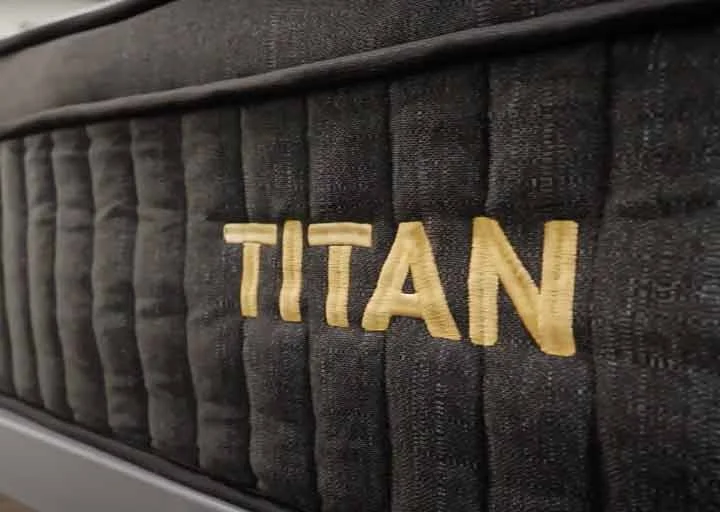
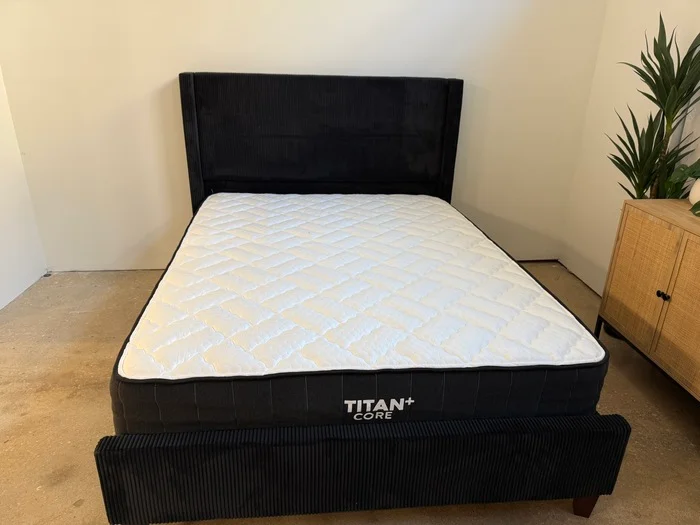
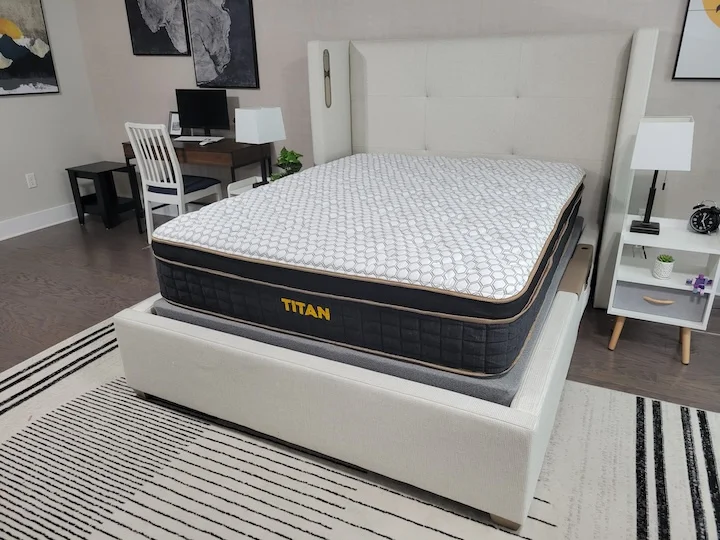
The Titan Plus Luxe is a medium-firm hybrid intended for heavyweight sleepers. We found its responsiveness a good match for combination sleepers, though back and stomach sleepers should also fare well, thanks to a notably lifted feel. We weren’t terribly impressed with the bed’s edge support or pressure relief, and we’d steer most side sleepers to models with more contouring. Those who prefer a firm feel and want a mattress engineered to support more weight should fare well.
25% Off Sitewide & 30% Off Dorm Essentials (Toppers, Pillows, and Protectors)
The Titan Plus Luxe is a medium-firm hybrid intended for heavyweight sleepers. We found its responsiveness a good match for combination sleepers, though back and stomach sleepers should also fare well, thanks to a notably lifted feel. We weren’t terribly impressed with the bed’s edge support or pressure relief, and we’d steer most side sleepers to models with more contouring. Those who prefer a firm feel and want a mattress engineered to support more weight should fare well.
25% Off Sitewide & 30% Off Dorm Essentials (Toppers, Pillows, and Protectors)
The Brooklyn Bedding Aurora Luxe is offered in three firmness levels and features a durable hybrid construction. Our testers found that this mattress blends soft comfort with firm support to deliver quality pressure relief for sleepers. Those who sleep with a restless partner, may want to steer clear because of its subpar motion isolation, and despite having cooling in its name, this mattress didn’t blow us away in that category.
25% Off Sitewide & 30% Off Dorm Essentials (Toppers, Pillows, and Protectors)
The Sunset Luxe is one of Helix’s softest options in its luxury hybrid collection. However, it provides plush pressure-relieving comfort while maintaining optimal spinal support for a variety of sleeper types. It also demonstrated excellent responsiveness, making it particularly great for couples and combination sleepers.
20% Off Sitewide with Code LDW20; 25% Off Luxe Mattresses with Code LUXE25; 30% Off Elite Mattresses with Code ELITE30
The Brooklyn Bedding Aurora Luxe is offered in three firmness levels and features a durable hybrid construction. Our testers found that this mattress blends soft comfort with firm support to deliver quality pressure relief for sleepers. Those who sleep with a restless partner, may want to steer clear because of its subpar motion isolation, and despite having cooling in its name, this mattress didn’t blow us away in that category.
25% Off Sitewide & 30% Off Dorm Essentials (Toppers, Pillows, and Protectors)
The Titan Plus Luxe is a medium-firm hybrid intended for heavyweight sleepers. We found its responsiveness a good match for combination sleepers, though back and stomach sleepers should also fare well, thanks to a notably lifted feel. We weren’t terribly impressed with the bed’s edge support or pressure relief, and we’d steer most side sleepers to models with more contouring. Those who prefer a firm feel and want a mattress engineered to support more weight should fare well.
25% Off Sitewide & 30% Off Dorm Essentials (Toppers, Pillows, and Protectors)
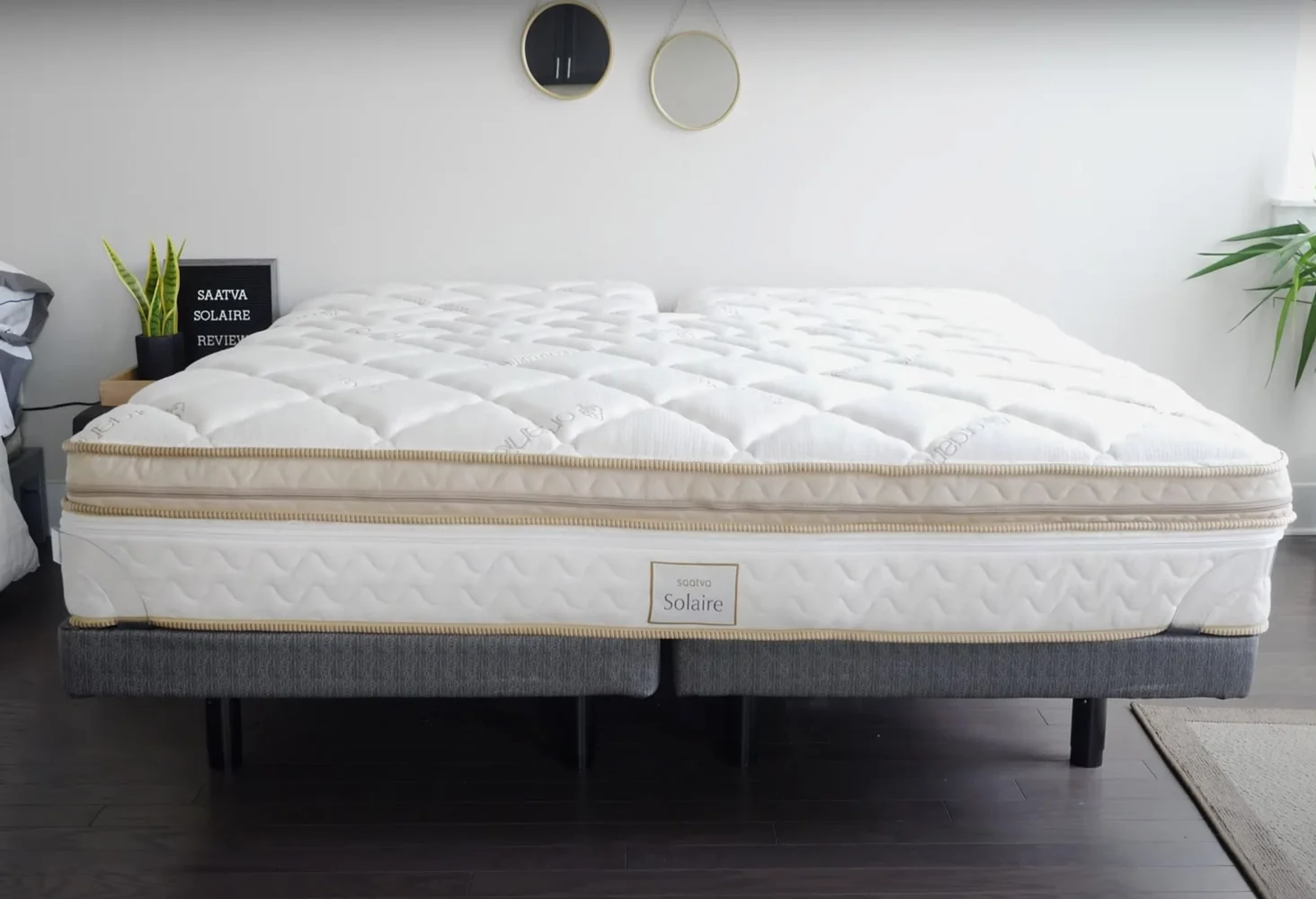
The Saatva Solaire is a very comfortable mattress with adjustable firmness. It is a great fit for light- and medium-weight people of any sleeping position.
$350 Off Orders of $1,000 or More with Mattress In Cart
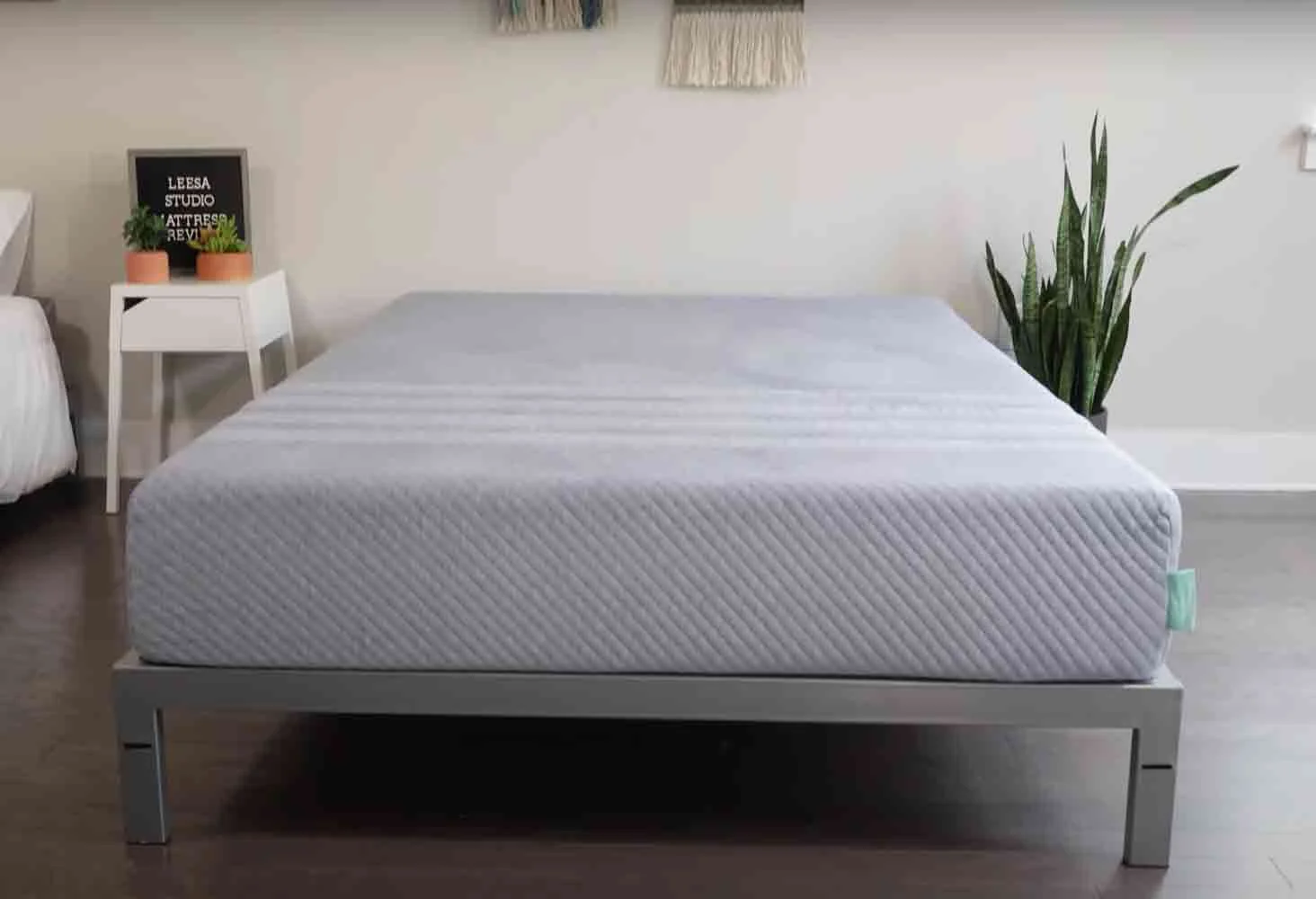
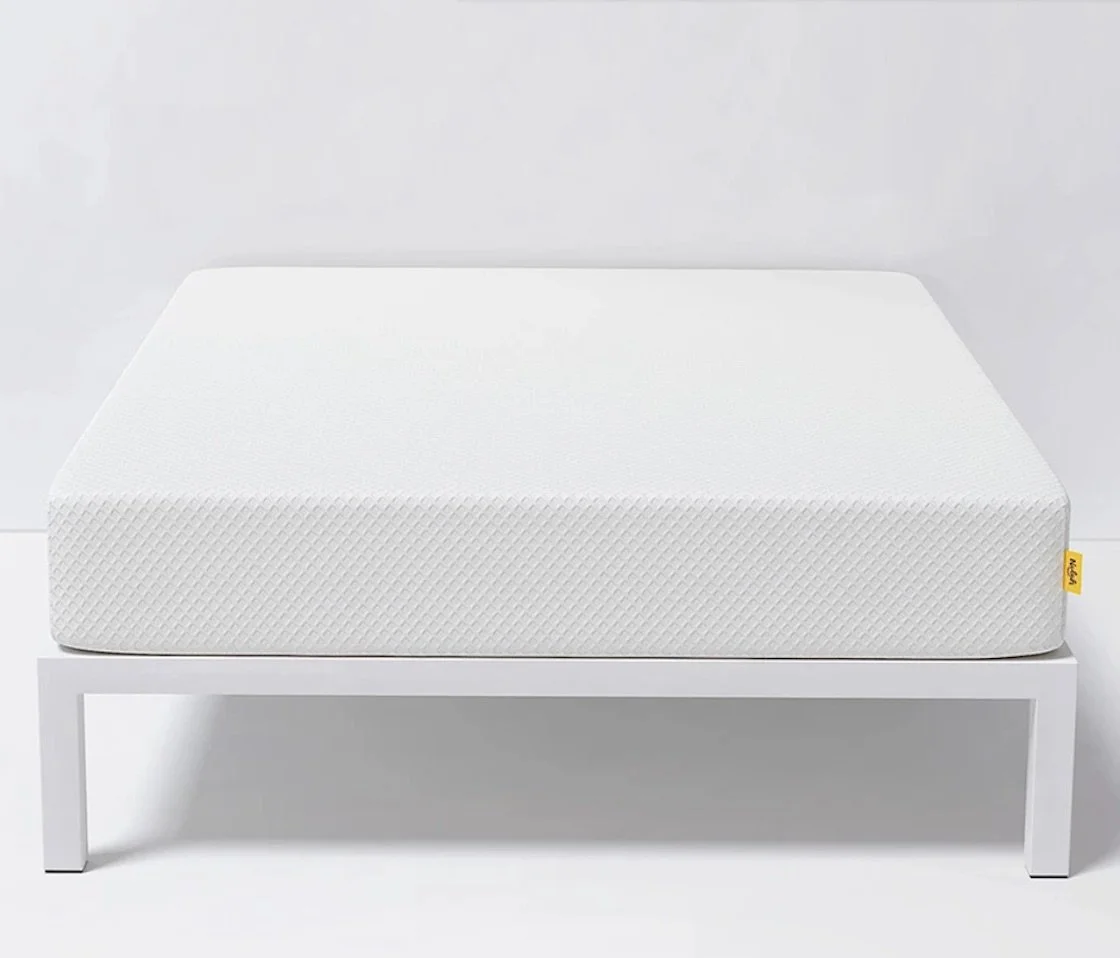
The Studio by Leesa is a comfortable all-foam mattress that should be ideal for children, lightweight adults, and those who are looking for a good value.
25% Off Mattresses | Up to 30% Off Mattress and Adjustable Base Bundle | 25% Off Bedding
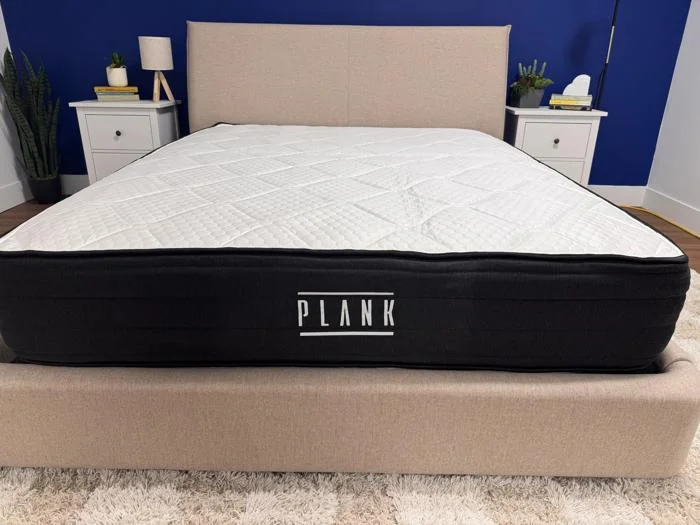
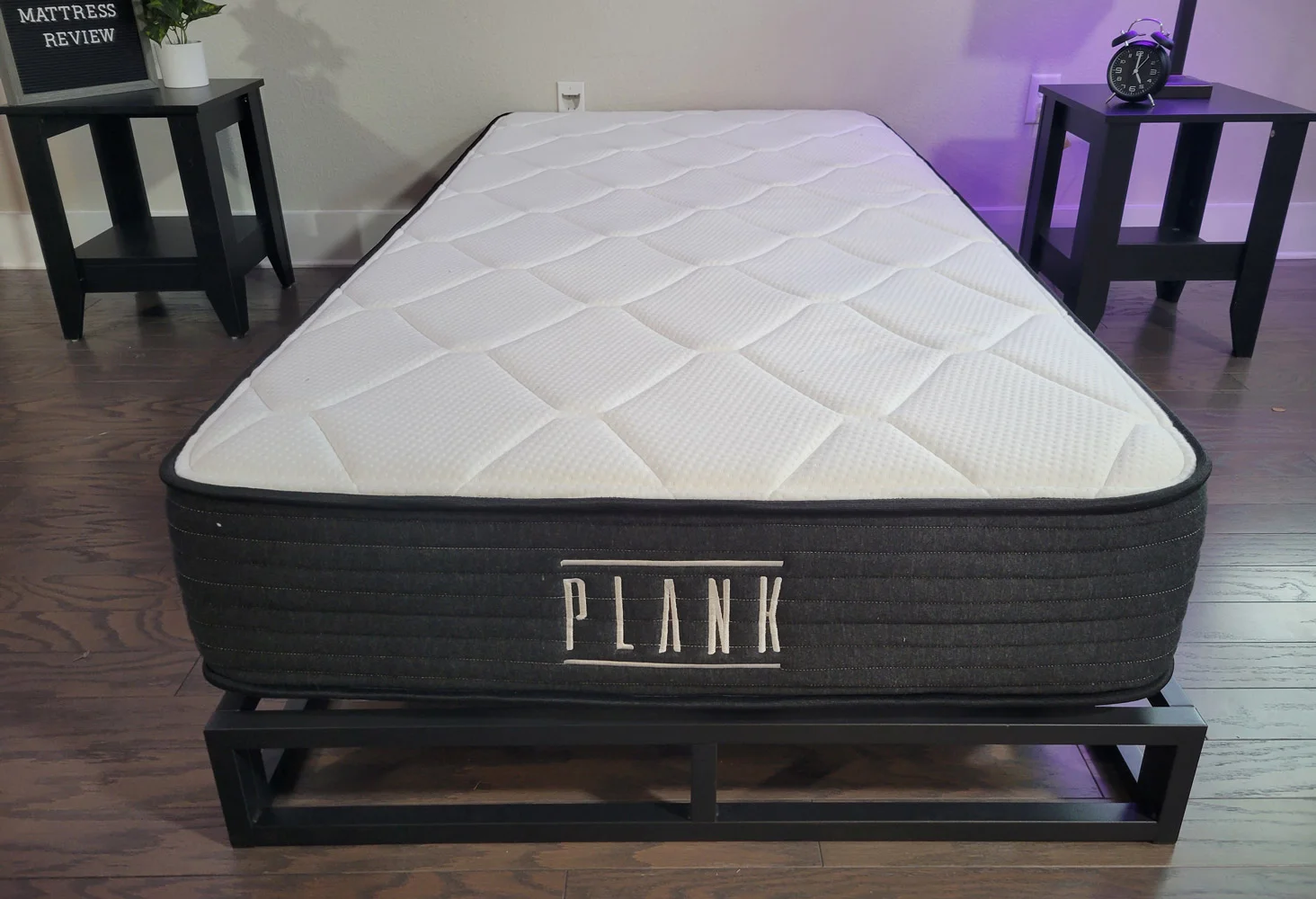
The Plank Firm Luxe by Brooklyn Bedding is a flippable mattress that has two firmness options: firm and extra firm. This is one of the firmest mattresses we’ve ever tested and could be a good fit for back and stomach sleepers.
25% Off Sitewide & 30% Off Dorm Essentials (Toppers, Pillows, and Protectors)
The Plank Firm Luxe by Brooklyn Bedding is a flippable mattress that has two firmness options: firm and extra firm. This is one of the firmest mattresses we’ve ever tested and could be a good fit for back and stomach sleepers.
25% Off Sitewide & 30% Off Dorm Essentials (Toppers, Pillows, and Protectors)
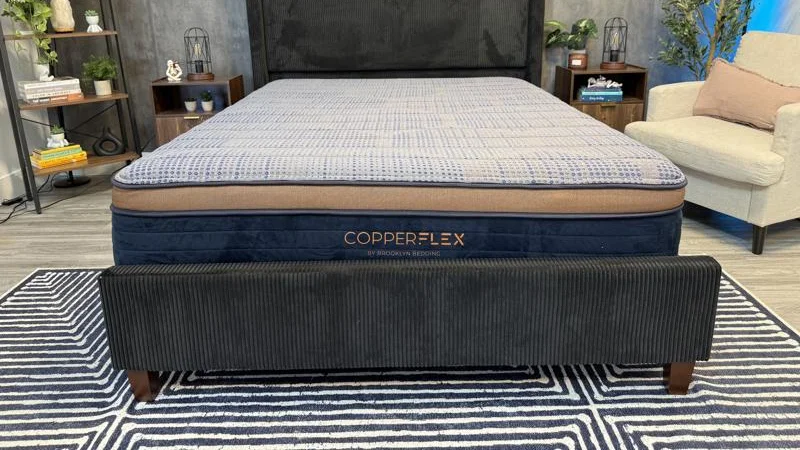
The Brooklyn Bedding CopperFlex Memory Foam Mattress is a value-priced model with a firm, lifted feel. It wowed us with its outstanding edge support and motion isolation, which makes it ideal for couples, and it earned a perfect response score. Combination sleepers should have no problem moving around. On the downside, that firmness means the CopperFlex doesn’t offer much in the way of pressure relief, and we’d advise dedicated side sleepers and fans of a traditional memory foam feel to look for something softer.
25% Off Sitewide & 30% Off Dorm Essentials (Toppers, Pillows, and Protectors)
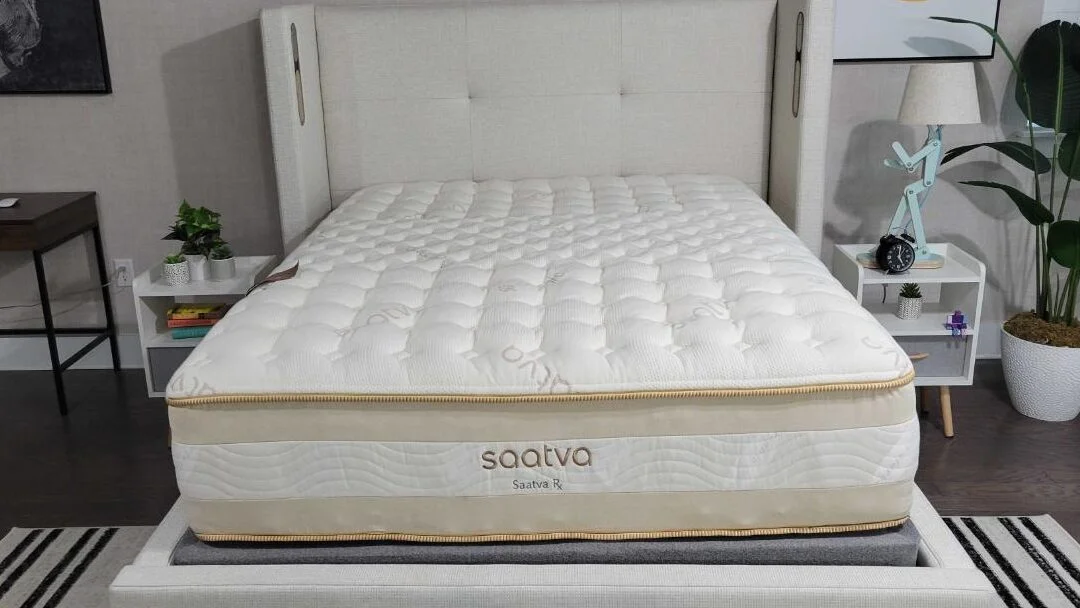
The Saatva is an organic mattress that is both comfortable and supportive. This mattress comes in multiple firmness options to fit a variety of sleepers.
$350 Off Orders of $1,000 or More with Mattress In Cart
The Nolah Natural mattress, made entirely out of eco-friendly materials, feels both supportive and comfy. Back sleepers will especially appreciate its zoned coil system.
35% Off Sitewide, Additional $50 Off with Code CLARITY50
The Plank Firm Luxe by Brooklyn Bedding is a flippable mattress that has two firmness options: firm and extra firm. This is one of the firmest mattresses we’ve ever tested and could be a good fit for back and stomach sleepers.
25% Off Sitewide & 30% Off Dorm Essentials (Toppers, Pillows, and Protectors)
The Plank Firm Luxe by Brooklyn Bedding is a flippable mattress that has two firmness options: firm and extra firm. This is one of the firmest mattresses we’ve ever tested and could be a good fit for back and stomach sleepers.
25% Off Sitewide & 30% Off Dorm Essentials (Toppers, Pillows, and Protectors)
The Helix Midnight Luxe is a premium medium-firm mattress that offers a hotel-like feel for a relatively affordable price. Its zoned support and supportive coil layers make it a great option for back sleepers. The only element in which it scored below average was responsiveness, so if you like a super bouncy bed or you’re a restless combination sleeper, consider another model.
20% Off Sitewide with Code LDW20; 25% Off Luxe Mattresses with Code LUXE25; 30% Off Elite Mattresses with Code ELITE30
The Saatva Solaire is a very comfortable mattress with adjustable firmness. It is a great fit for light- and medium-weight people of any sleeping position.
$350 Off Orders of $1,000 or More with Mattress In Cart
The Titan Plus Luxe is a medium-firm hybrid intended for heavyweight sleepers. We found its responsiveness a good match for combination sleepers, though back and stomach sleepers should also fare well, thanks to a notably lifted feel. We weren’t terribly impressed with the bed’s edge support or pressure relief, and we’d steer most side sleepers to models with more contouring. Those who prefer a firm feel and want a mattress engineered to support more weight should fare well.
25% Off Sitewide & 30% Off Dorm Essentials (Toppers, Pillows, and Protectors)
The WinkBeds Plus is a mattress made specifically for larger people, and heavier stomach sleepers should get the support they need on the WinkBeds Plus.
The Titan Plus Luxe is a medium-firm hybrid intended for heavyweight sleepers. We found its responsiveness a good match for combination sleepers, though back and stomach sleepers should also fare well, thanks to a notably lifted feel. We weren’t terribly impressed with the bed’s edge support or pressure relief, and we’d steer most side sleepers to models with more contouring. Those who prefer a firm feel and want a mattress engineered to support more weight should fare well.
25% Off Sitewide & 30% Off Dorm Essentials (Toppers, Pillows, and Protectors)
The Saatva is an organic mattress that is both comfortable and supportive. This mattress comes in multiple firmness options to fit a variety of sleepers.
$350 Off Orders of $1,000 or More with Mattress In Cart
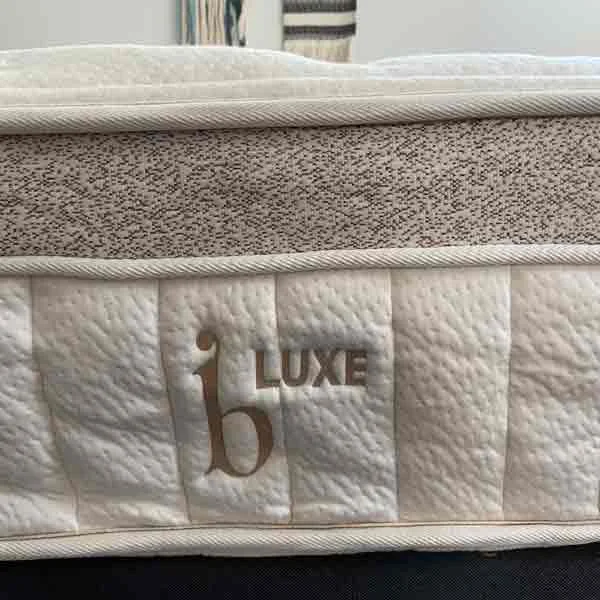
The Birch Luxe Natural Mattress is a new mattress designed with luxury in mind. This is a luxury hybrid mattress perfect for fans of eco-friendly made mattresses.
20% Off Sitewide with Code LDW20; 25% Off Birch Luxe Mattress with Code LUXE25; 30% Off Birch Elite Mattress with Code ELITE30
The Saatva is an organic mattress that is both comfortable and supportive. This mattress comes in multiple firmness options to fit a variety of sleepers.
$350 Off Orders of $1,000 or More with Mattress In Cart
The Titan Plus Luxe is a medium-firm hybrid intended for heavyweight sleepers. We found its responsiveness a good match for combination sleepers, though back and stomach sleepers should also fare well, thanks to a notably lifted feel. We weren’t terribly impressed with the bed’s edge support or pressure relief, and we’d steer most side sleepers to models with more contouring. Those who prefer a firm feel and want a mattress engineered to support more weight should fare well.
25% Off Sitewide & 30% Off Dorm Essentials (Toppers, Pillows, and Protectors)
The Plank Firm Luxe by Brooklyn Bedding is a flippable mattress that has two firmness options: firm and extra firm. This is one of the firmest mattresses we’ve ever tested and could be a good fit for back and stomach sleepers.
25% Off Sitewide & 30% Off Dorm Essentials (Toppers, Pillows, and Protectors)
The Saatva is an organic mattress that is both comfortable and supportive. This mattress comes in multiple firmness options to fit a variety of sleepers.
$350 Off Orders of $1,000 or More with Mattress In Cart
The Birch Luxe Natural Mattress is a new mattress designed with luxury in mind. This is a luxury hybrid mattress perfect for fans of eco-friendly made mattresses.
20% Off Sitewide with Code LDW20; 25% Off Birch Luxe Mattress with Code LUXE25; 30% Off Birch Elite Mattress with Code ELITE30
The Birch Luxe Natural Mattress is a new mattress designed with luxury in mind. This is a luxury hybrid mattress perfect for fans of eco-friendly made mattresses.
20% Off Sitewide with Code LDW20; 25% Off Birch Luxe Mattress with Code LUXE25; 30% Off Birch Elite Mattress with Code ELITE30
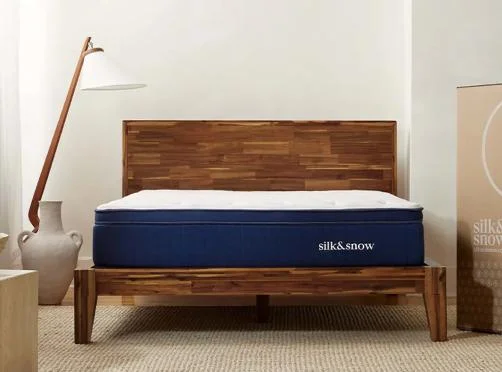
The Canadian-made Silk & Snow Mattress is a very budget-friendly memory foam mattress with a firm feel. It has a simple two-layer construction, but the antimicrobial cover is removable for easy care. We found the bed stayed surprisingly temperature neutral given its construction, and it scored well in our pressure relief tests. We weren’t especially impressed with its edge support or motion isolation, but it has a steady responsiveness that might appeal to many combination sleepers.
Up to 20% Off Sitewide | Free Classic Sleep Bundle with Mattress Purchase
The Brooklyn Bedding CopperFlex Memory Foam Mattress is a value-priced model with a firm, lifted feel. It wowed us with its outstanding edge support and motion isolation, which makes it ideal for couples, and it earned a perfect response score. Combination sleepers should have no problem moving around. On the downside, that firmness means the CopperFlex doesn’t offer much in the way of pressure relief, and we’d advise dedicated side sleepers and fans of a traditional memory foam feel to look for something softer.
25% Off Sitewide & 30% Off Dorm Essentials (Toppers, Pillows, and Protectors)
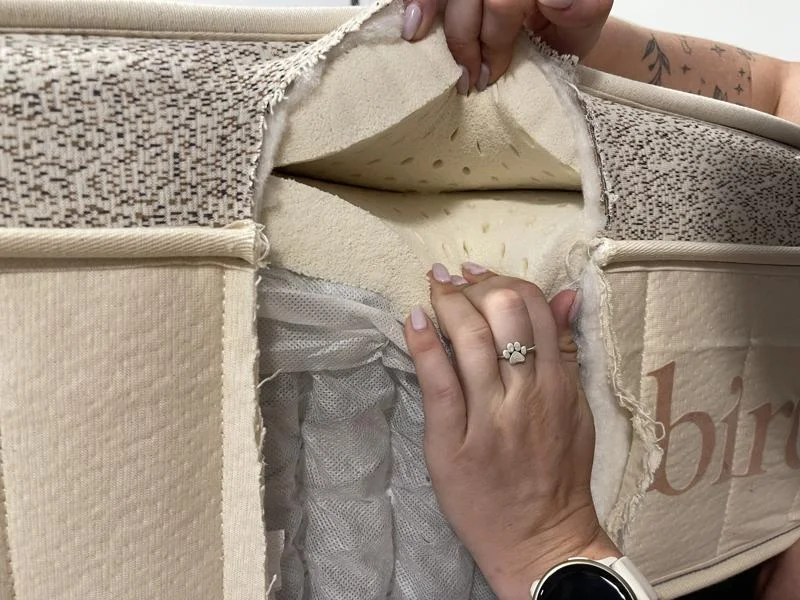
Birch is an eco-friendly mattress-in-a-box that’s made with natural latex and organic cotton and wool. It has a base layer of individually wrapped coils and comfort layers made with chemical-free latex foam.
20% Off Sitewide with Code LDW20; 25% Off Birch Luxe Mattress with Code LUXE25; 30% Off Birch Elite Mattress with Code ELITE30
The WinkBeds Plus is a mattress made specifically for larger people, and heavier stomach sleepers should get the support they need on the WinkBeds Plus.
The Nolah Natural mattress, made entirely out of eco-friendly materials, feels both supportive and comfy. Back sleepers will especially appreciate its zoned coil system.
35% Off Sitewide, Additional $50 Off with Code CLARITY50
The Canadian-made Silk & Snow Mattress is a very budget-friendly memory foam mattress with a firm feel. It has a simple two-layer construction, but the antimicrobial cover is removable for easy care. We found the bed stayed surprisingly temperature neutral given its construction, and it scored well in our pressure relief tests. We weren’t especially impressed with its edge support or motion isolation, but it has a steady responsiveness that might appeal to many combination sleepers.
Up to 20% Off Sitewide | Free Classic Sleep Bundle with Mattress Purchase
The WinkBeds Plus is a mattress made specifically for larger people, and heavier stomach sleepers should get the support they need on the WinkBeds Plus.
The Nolah Natural mattress, made entirely out of eco-friendly materials, feels both supportive and comfy. Back sleepers will especially appreciate its zoned coil system.
35% Off Sitewide, Additional $50 Off with Code CLARITY50
The Brooklyn Bedding is a value-packed bed that is offered in multiple firmnesses. It was a solid performer across all testing perimeters and it should work for a variety of sleepers. We think couples will appreciate that it is responsive and isolates motion well.
25% Off Sitewide & 30% Off Dorm Essentials (Toppers, Pillows, and Protectors)
The Plank Firm Luxe by Brooklyn Bedding is a flippable mattress that has two firmness options: firm and extra firm. This is one of the firmest mattresses we’ve ever tested and could be a good fit for back and stomach sleepers.
25% Off Sitewide & 30% Off Dorm Essentials (Toppers, Pillows, and Protectors)
The Brooklyn Bedding Aurora Luxe is offered in three firmness levels and features a durable hybrid construction. Our testers found that this mattress blends soft comfort with firm support to deliver quality pressure relief for sleepers. Those who sleep with a restless partner, may want to steer clear because of its subpar motion isolation, and despite having cooling in its name, this mattress didn’t blow us away in that category.
25% Off Sitewide & 30% Off Dorm Essentials (Toppers, Pillows, and Protectors)
The Saatva is an organic mattress that is both comfortable and supportive. This mattress comes in multiple firmness options to fit a variety of sleepers.
$350 Off Orders of $1,000 or More with Mattress In Cart
The Plank Firm Luxe by Brooklyn Bedding is a flippable mattress that has two firmness options: firm and extra firm. This is one of the firmest mattresses we’ve ever tested and could be a good fit for back and stomach sleepers.
25% Off Sitewide & 30% Off Dorm Essentials (Toppers, Pillows, and Protectors)
The Saatva is an organic mattress that is both comfortable and supportive. This mattress comes in multiple firmness options to fit a variety of sleepers.
$350 Off Orders of $1,000 or More with Mattress In Cart
The Brooklyn Bedding is a value-packed bed that is offered in multiple firmnesses. It was a solid performer across all testing perimeters and it should work for a variety of sleepers. We think couples will appreciate that it is responsive and isolates motion well.
25% Off Sitewide & 30% Off Dorm Essentials (Toppers, Pillows, and Protectors)
The Helix Midnight Luxe is a premium medium-firm mattress that offers a hotel-like feel for a relatively affordable price. Its zoned support and supportive coil layers make it a great option for back sleepers. The only element in which it scored below average was responsiveness, so if you like a super bouncy bed or you’re a restless combination sleeper, consider another model.
20% Off Sitewide with Code LDW20; 25% Off Luxe Mattresses with Code LUXE25; 30% Off Elite Mattresses with Code ELITE30
The Saatva Solaire is a very comfortable mattress with adjustable firmness. It is a great fit for light- and medium-weight people of any sleeping position.
$350 Off Orders of $1,000 or More with Mattress In Cart
The Brooklyn Bedding is a value-packed bed that is offered in multiple firmnesses. It was a solid performer across all testing perimeters and it should work for a variety of sleepers. We think couples will appreciate that it is responsive and isolates motion well.
25% Off Sitewide & 30% Off Dorm Essentials (Toppers, Pillows, and Protectors)
The Brooklyn Bedding is a value-packed bed that is offered in multiple firmnesses. It was a solid performer across all testing perimeters and it should work for a variety of sleepers. We think couples will appreciate that it is responsive and isolates motion well.
25% Off Sitewide & 30% Off Dorm Essentials (Toppers, Pillows, and Protectors)
The Brooklyn Bedding is a value-packed bed that is offered in multiple firmnesses. It was a solid performer across all testing perimeters and it should work for a variety of sleepers. We think couples will appreciate that it is responsive and isolates motion well.
25% Off Sitewide & 30% Off Dorm Essentials (Toppers, Pillows, and Protectors)
The Saatva is an organic mattress that is both comfortable and supportive. This mattress comes in multiple firmness options to fit a variety of sleepers.
$350 Off Orders of $1,000 or More with Mattress In Cart
The Birch Luxe Natural Mattress is a new mattress designed with luxury in mind. This is a luxury hybrid mattress perfect for fans of eco-friendly made mattresses.
20% Off Sitewide with Code LDW20; 25% Off Birch Luxe Mattress with Code LUXE25; 30% Off Birch Elite Mattress with Code ELITE30
The Birch Luxe Natural Mattress is a new mattress designed with luxury in mind. This is a luxury hybrid mattress perfect for fans of eco-friendly made mattresses.
20% Off Sitewide with Code LDW20; 25% Off Birch Luxe Mattress with Code LUXE25; 30% Off Birch Elite Mattress with Code ELITE30
The Brooklyn Bedding is a value-packed bed that is offered in multiple firmnesses. It was a solid performer across all testing perimeters and it should work for a variety of sleepers. We think couples will appreciate that it is responsive and isolates motion well.
25% Off Sitewide & 30% Off Dorm Essentials (Toppers, Pillows, and Protectors)
The Brooklyn Bedding is a value-packed bed that is offered in multiple firmnesses. It was a solid performer across all testing perimeters and it should work for a variety of sleepers. We think couples will appreciate that it is responsive and isolates motion well.
25% Off Sitewide & 30% Off Dorm Essentials (Toppers, Pillows, and Protectors)
The Saatva is an organic mattress that is both comfortable and supportive. This mattress comes in multiple firmness options to fit a variety of sleepers.
$350 Off Orders of $1,000 or More with Mattress In Cart
The Birch Luxe Natural Mattress is a new mattress designed with luxury in mind. This is a luxury hybrid mattress perfect for fans of eco-friendly made mattresses.
20% Off Sitewide with Code LDW20; 25% Off Birch Luxe Mattress with Code LUXE25; 30% Off Birch Elite Mattress with Code ELITE30
The Saatva is an organic mattress that is both comfortable and supportive. This mattress comes in multiple firmness options to fit a variety of sleepers.
$350 Off Orders of $1,000 or More with Mattress In Cart
The Studio by Leesa is a comfortable all-foam mattress that should be ideal for children, lightweight adults, and those who are looking for a good value.
25% Off Mattresses | Up to 30% Off Mattress and Adjustable Base Bundle | 25% Off Bedding
The Canadian-made Silk & Snow Mattress is a very budget-friendly memory foam mattress with a firm feel. It has a simple two-layer construction, but the antimicrobial cover is removable for easy care. We found the bed stayed surprisingly temperature neutral given its construction, and it scored well in our pressure relief tests. We weren’t especially impressed with its edge support or motion isolation, but it has a steady responsiveness that might appeal to many combination sleepers.
Up to 20% Off Sitewide | Free Classic Sleep Bundle with Mattress Purchase
The Brooklyn Bedding is a value-packed bed that is offered in multiple firmnesses. It was a solid performer across all testing perimeters and it should work for a variety of sleepers. We think couples will appreciate that it is responsive and isolates motion well.
25% Off Sitewide & 30% Off Dorm Essentials (Toppers, Pillows, and Protectors)
Birch is an eco-friendly mattress-in-a-box that’s made with natural latex and organic cotton and wool. It has a base layer of individually wrapped coils and comfort layers made with chemical-free latex foam.
20% Off Sitewide with Code LDW20; 25% Off Birch Luxe Mattress with Code LUXE25; 30% Off Birch Elite Mattress with Code ELITE30
The Saatva is an organic mattress that is both comfortable and supportive. This mattress comes in multiple firmness options to fit a variety of sleepers.
$350 Off Orders of $1,000 or More with Mattress In Cart
The Canadian-made Silk & Snow Mattress is a very budget-friendly memory foam mattress with a firm feel. It has a simple two-layer construction, but the antimicrobial cover is removable for easy care. We found the bed stayed surprisingly temperature neutral given its construction, and it scored well in our pressure relief tests. We weren’t especially impressed with its edge support or motion isolation, but it has a steady responsiveness that might appeal to many combination sleepers.
Up to 20% Off Sitewide | Free Classic Sleep Bundle with Mattress Purchase
The Brooklyn Bedding is a value-packed bed that is offered in multiple firmnesses. It was a solid performer across all testing perimeters and it should work for a variety of sleepers. We think couples will appreciate that it is responsive and isolates motion well.
25% Off Sitewide & 30% Off Dorm Essentials (Toppers, Pillows, and Protectors)
The Plank Firm Luxe by Brooklyn Bedding is a flippable mattress that has two firmness options: firm and extra firm. This is one of the firmest mattresses we’ve ever tested and could be a good fit for back and stomach sleepers.
25% Off Sitewide & 30% Off Dorm Essentials (Toppers, Pillows, and Protectors)
The Saatva is an organic mattress that is both comfortable and supportive. This mattress comes in multiple firmness options to fit a variety of sleepers.
$350 Off Orders of $1,000 or More with Mattress In Cart
The Saatva is an organic mattress that is both comfortable and supportive. This mattress comes in multiple firmness options to fit a variety of sleepers.
$350 Off Orders of $1,000 or More with Mattress In Cart
The Plank Firm Luxe by Brooklyn Bedding is a flippable mattress that has two firmness options: firm and extra firm. This is one of the firmest mattresses we’ve ever tested and could be a good fit for back and stomach sleepers.
25% Off Sitewide & 30% Off Dorm Essentials (Toppers, Pillows, and Protectors)
The Brooklyn Bedding is a value-packed bed that is offered in multiple firmnesses. It was a solid performer across all testing perimeters and it should work for a variety of sleepers. We think couples will appreciate that it is responsive and isolates motion well.
25% Off Sitewide & 30% Off Dorm Essentials (Toppers, Pillows, and Protectors)
The Saatva is an organic mattress that is both comfortable and supportive. This mattress comes in multiple firmness options to fit a variety of sleepers.
$350 Off Orders of $1,000 or More with Mattress In Cart
The Saatva Solaire is a very comfortable mattress with adjustable firmness. It is a great fit for light- and medium-weight people of any sleeping position.
$350 Off Orders of $1,000 or More with Mattress In Cart
The Brooklyn Bedding is a value-packed bed that is offered in multiple firmnesses. It was a solid performer across all testing perimeters and it should work for a variety of sleepers. We think couples will appreciate that it is responsive and isolates motion well.
25% Off Sitewide & 30% Off Dorm Essentials (Toppers, Pillows, and Protectors)
The Saatva Solaire is a very comfortable mattress with adjustable firmness. It is a great fit for light- and medium-weight people of any sleeping position.
$350 Off Orders of $1,000 or More with Mattress In Cart
The Brooklyn Bedding is a value-packed bed that is offered in multiple firmnesses. It was a solid performer across all testing perimeters and it should work for a variety of sleepers. We think couples will appreciate that it is responsive and isolates motion well.
25% Off Sitewide & 30% Off Dorm Essentials (Toppers, Pillows, and Protectors)
The Titan Plus Luxe is a medium-firm hybrid intended for heavyweight sleepers. We found its responsiveness a good match for combination sleepers, though back and stomach sleepers should also fare well, thanks to a notably lifted feel. We weren’t terribly impressed with the bed’s edge support or pressure relief, and we’d steer most side sleepers to models with more contouring. Those who prefer a firm feel and want a mattress engineered to support more weight should fare well.
25% Off Sitewide & 30% Off Dorm Essentials (Toppers, Pillows, and Protectors)
The Saatva is an organic mattress that is both comfortable and supportive. This mattress comes in multiple firmness options to fit a variety of sleepers.
$350 Off Orders of $1,000 or More with Mattress In Cart
The Plank Firm Luxe by Brooklyn Bedding is a flippable mattress that has two firmness options: firm and extra firm. This is one of the firmest mattresses we’ve ever tested and could be a good fit for back and stomach sleepers.
25% Off Sitewide & 30% Off Dorm Essentials (Toppers, Pillows, and Protectors)
The Brooklyn Bedding is a value-packed bed that is offered in multiple firmnesses. It was a solid performer across all testing perimeters and it should work for a variety of sleepers. We think couples will appreciate that it is responsive and isolates motion well.
25% Off Sitewide & 30% Off Dorm Essentials (Toppers, Pillows, and Protectors)
The Saatva is an organic mattress that is both comfortable and supportive. This mattress comes in multiple firmness options to fit a variety of sleepers.
$350 Off Orders of $1,000 or More with Mattress In Cart
The Brooklyn Bedding is a value-packed bed that is offered in multiple firmnesses. It was a solid performer across all testing perimeters and it should work for a variety of sleepers. We think couples will appreciate that it is responsive and isolates motion well.
25% Off Sitewide & 30% Off Dorm Essentials (Toppers, Pillows, and Protectors)
The Silk & Snow Hybrid is an affordable, Canadian-made mattress that packs a lot into its deceptively simple construction. It earned high marks for motion isolation and cooling, making it a great choice for co-sleepers and those who run hot. While its edge support is a bit lacking, it offers plenty of pressure relief in its cushy construction. It’s also available in plush, medium-firm, and firm options for your choosing.
Up to 20% Off Sitewide | Free Classic Sleep Bundle with Mattress Purchase
The Titan Plus Luxe is a medium-firm hybrid intended for heavyweight sleepers. We found its responsiveness a good match for combination sleepers, though back and stomach sleepers should also fare well, thanks to a notably lifted feel. We weren’t terribly impressed with the bed’s edge support or pressure relief, and we’d steer most side sleepers to models with more contouring. Those who prefer a firm feel and want a mattress engineered to support more weight should fare well.
25% Off Sitewide & 30% Off Dorm Essentials (Toppers, Pillows, and Protectors)
The Plank Firm Luxe by Brooklyn Bedding is a flippable mattress that has two firmness options: firm and extra firm. This is one of the firmest mattresses we’ve ever tested and could be a good fit for back and stomach sleepers.
25% Off Sitewide & 30% Off Dorm Essentials (Toppers, Pillows, and Protectors)
The Saatva is an organic mattress that is both comfortable and supportive. This mattress comes in multiple firmness options to fit a variety of sleepers.
$350 Off Orders of $1,000 or More with Mattress In Cart
The Saatva Solaire is a very comfortable mattress with adjustable firmness. It is a great fit for light- and medium-weight people of any sleeping position.
$350 Off Orders of $1,000 or More with Mattress In Cart
The Titan Plus Luxe is a medium-firm hybrid intended for heavyweight sleepers. We found its responsiveness a good match for combination sleepers, though back and stomach sleepers should also fare well, thanks to a notably lifted feel. We weren’t terribly impressed with the bed’s edge support or pressure relief, and we’d steer most side sleepers to models with more contouring. Those who prefer a firm feel and want a mattress engineered to support more weight should fare well.
25% Off Sitewide & 30% Off Dorm Essentials (Toppers, Pillows, and Protectors)
The Silk & Snow Hybrid is an affordable, Canadian-made mattress that packs a lot into its deceptively simple construction. It earned high marks for motion isolation and cooling, making it a great choice for co-sleepers and those who run hot. While its edge support is a bit lacking, it offers plenty of pressure relief in its cushy construction. It’s also available in plush, medium-firm, and firm options for your choosing.
Up to 20% Off Sitewide | Free Classic Sleep Bundle with Mattress Purchase
The Brooklyn Bedding is a value-packed bed that is offered in multiple firmnesses. It was a solid performer across all testing perimeters and it should work for a variety of sleepers. We think couples will appreciate that it is responsive and isolates motion well.
25% Off Sitewide & 30% Off Dorm Essentials (Toppers, Pillows, and Protectors)
Birch is an eco-friendly mattress-in-a-box that’s made with natural latex and organic cotton and wool. It has a base layer of individually wrapped coils and comfort layers made with chemical-free latex foam.
20% Off Sitewide with Code LDW20; 25% Off Birch Luxe Mattress with Code LUXE25; 30% Off Birch Elite Mattress with Code ELITE30
The Saatva is an organic mattress that is both comfortable and supportive. This mattress comes in multiple firmness options to fit a variety of sleepers.
$350 Off Orders of $1,000 or More with Mattress In Cart
The Silk & Snow Hybrid is an affordable, Canadian-made mattress that packs a lot into its deceptively simple construction. It earned high marks for motion isolation and cooling, making it a great choice for co-sleepers and those who run hot. While its edge support is a bit lacking, it offers plenty of pressure relief in its cushy construction. It’s also available in plush, medium-firm, and firm options for your choosing.
Up to 20% Off Sitewide | Free Classic Sleep Bundle with Mattress Purchase
The Brooklyn Bedding is a value-packed bed that is offered in multiple firmnesses. It was a solid performer across all testing perimeters and it should work for a variety of sleepers. We think couples will appreciate that it is responsive and isolates motion well.
25% Off Sitewide & 30% Off Dorm Essentials (Toppers, Pillows, and Protectors)
The Saatva is an organic mattress that is both comfortable and supportive. This mattress comes in multiple firmness options to fit a variety of sleepers.
$350 Off Orders of $1,000 or More with Mattress In Cart
We rate each mattress on a scale from 1 to 5 to reflect its overall quality. This number is comprised of individual scores from hands-on testing of materials, firmness, pressure relief, motion transfer, cooling, responsiveness, and more.
4.5
Helix
Helix Midnight Luxe
Medium-Firm Feel
Motion Isolation
Breathability
Labor Day Sale
20% Off Sitewide with Code LDW20; 25% Off Luxe Mattresses with Code LUXE25; 30% Off Elite Mattresses with Code ELITE30 See Details
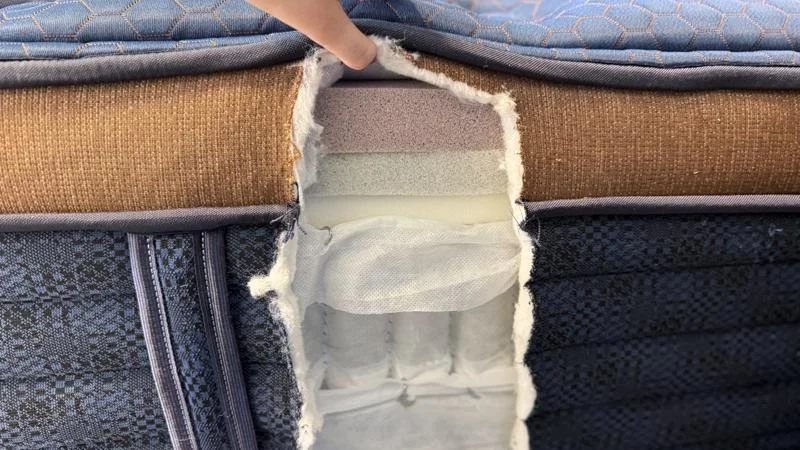
The Helix Midnight Luxe is a hybrid mattress. This means it has both cushioning foam and supportive coil layers.
Firmness
On a scale from 1 to 10, with 1 being the softest, we rated this mattress 6.5/10. This is the industry standard for medium-firm.
Price
$1,373-$2,073 (before any discounts)
Size
Twin, twin XL, full, queen, short queen, king, California king, RV king
Side Sleepers
Great pressure relief for side sleepers under 230 lbs.
Back Sleepers
Great support for back sleepers under 230 lbs.
Hot Sleepers
This bed’s cooling features can help keep you from overheating at night.
Pros
This bed has a hotel-like feel. The pillow top provides a plush comfort layer to sink into.
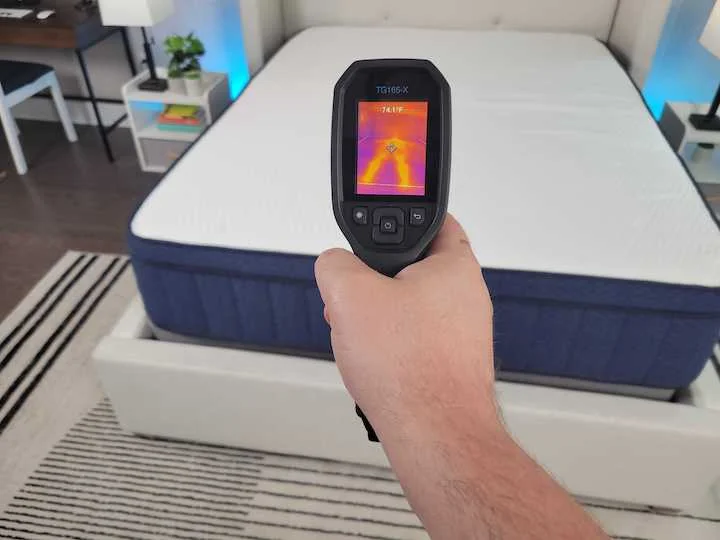
The Helix Midnight Luxe sleeps cool. Thanks to its cooling cover and copper-infused memory foam, even hot sleepers shouldn’t worry about overheating on this bed.
Even though it’s a hybrid mattress, this bed has great motion isolation. That means if you co-sleep, you’re less likely to feel your partner’s movements.
Cons
Stomach sleepers probably won’t find this bed supportive enough to keep their spine in proper alignment.
This is a luxury mattress model, so it wouldn’t be considered a budget-buy.
Shipping
Free shipping
Trial Period
100 nights
Warranty
15-year warranty
Returns
You’ll receive a full refund if you return your mattress within the trial period, but after a 30-day “break-in” period.
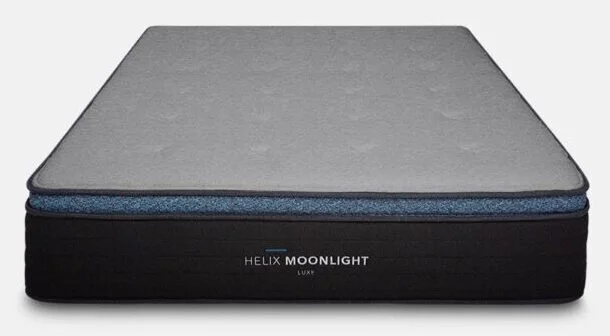
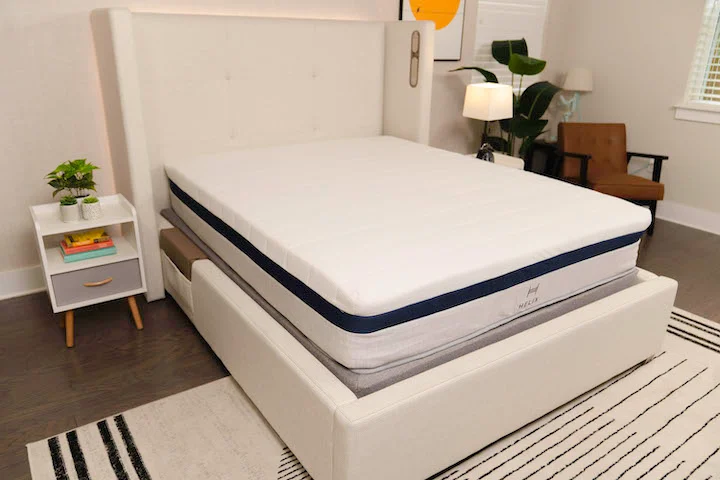
The Helix Midnight Luxe is a premium medium-firm mattress that offers a hotel-like feel for a relatively affordable price. Its zoned support and supportive coil layers make it a great option for back sleepers. It likely isn’t firm enough for most stomach sleepers, though. If you’re looking for a more supportive bed, check out the Titan Plus. Learn more in our video review.
The Helix Midnight Luxe is one of our favorite recommendations at Mattress Clarity, prized for its mid-range feel that balances luxurious pressure relief with robust support to suit a wide range of sleeper types. This, along with its robust edge support and responsive nature, makes it a match for combination sleepers, especially those who flip-flop between their back and side. This mattress earned an overall pressure relief score of 4.2/5, an edge support score of 4.8/5, and a responsiveness rating of 4/5—all of which are markers of a great combo-sleeping mattress.
The Helix Midnight Luxe came in at a 6/10 on our firmness scale, which is just a touch softer than your typical medium-firm. However, its balanced feel earned high praise from physical therapist Dr. Hannah Habeeb, who called this mattress “so supportive.” She added, “It’s so silky and comfortable too, which is great for cushioning the joints and lower back.”
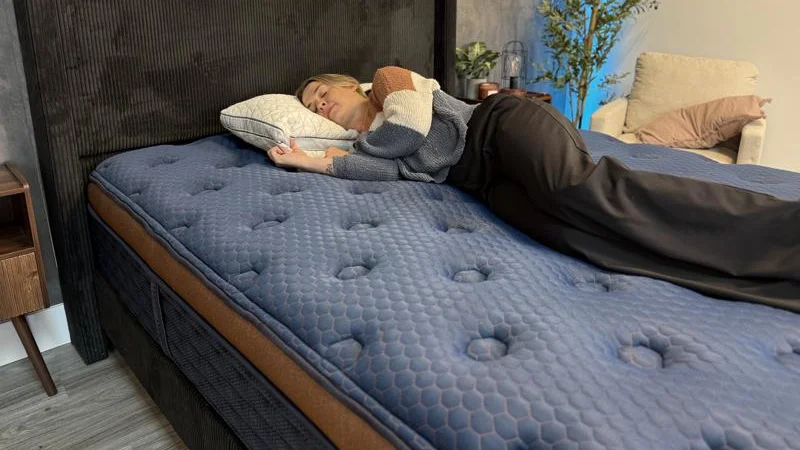
I agreed with her sentiments when I first tried out the bed. Back sleeping was a hit for me; the pillow top contoured nicely to my lumbar spine, filling in the gap there. I also thought the mattress was quite comfortable on my stomach and side—the latter echoed by our heavyweight tester Caine Wilkes: “On my side, the plush top feels really nice and comfortable while the bottom layers are more supportive,” he said. Based on our findings, combination sleepers should find comfort in each sleeping position on the Midnight Luxe.
In the bed’s responsiveness test, I was surprised that I could still move around easily with its doughy pillow top. Most combination sleepers shouldn’t notice they have to put in effort to switch between positions. You might have some difficulty rolling from back to stomach or vice versa, but I don’t see this being a problem while you’re asleep. Generally, combination sleepers who still want some of that foam feel will like the Midnight Luxe.
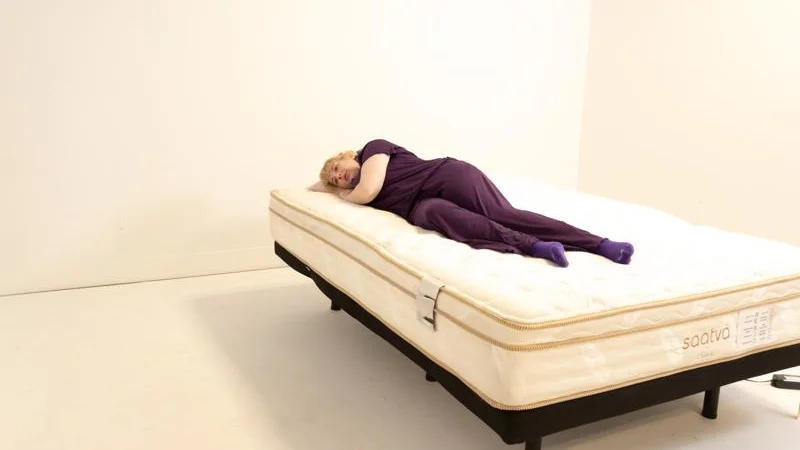
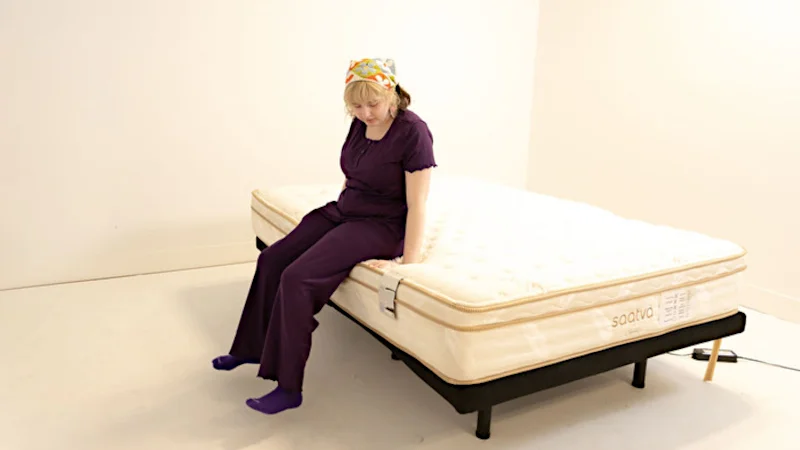
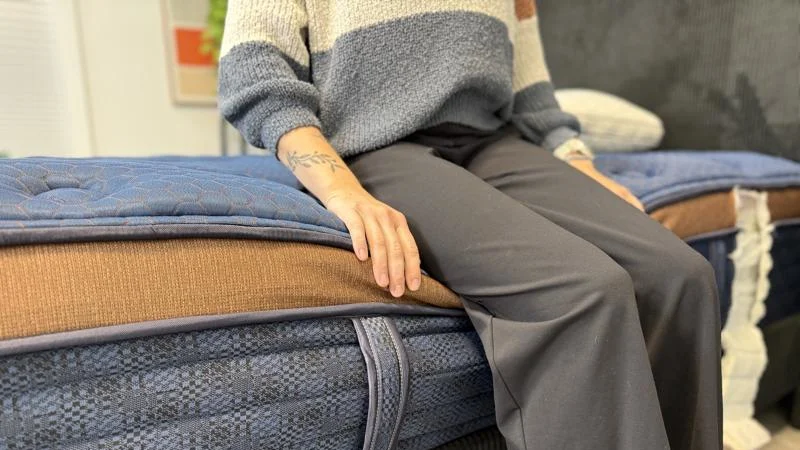
The same goes for edge support—even though the pillow top compresses a bit when bearing weight, I was still impressed by how secure I felt sitting and lying on the edge of the mattress. I could lie down with one leg hanging over the side of the bed and still feel secure, so I’d say that combination sleepers looking to spread out will be set on this mattress.
Where combination sleepers might encounter trouble is if they share the bed with a partner. I’m a notoriously light sleeper, and when I had my fellow tester get into bed with me, I could feel her movements as she shifted around. I rated motion isolation at 4/5, which means most sleepers will be satisfied, but my fellow extra-light sleepers may want something with more motion absorption—like the Nolah Evolution.
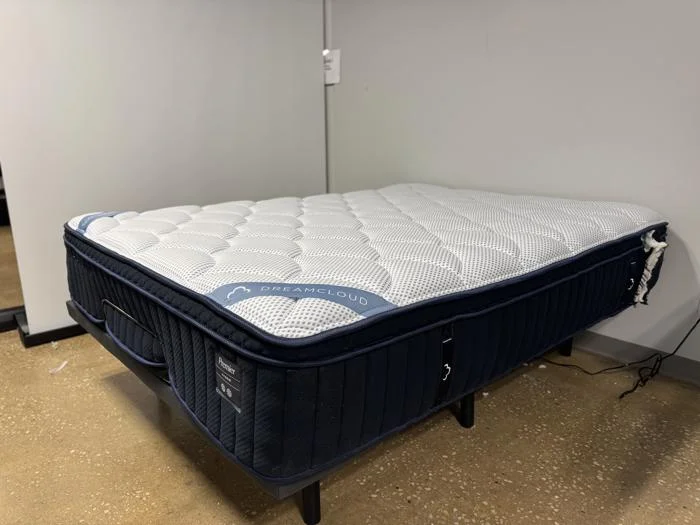
DreamCloud – Best Cheap Mattress for Combination Sleepers
Best Cheap Mattress for Combination Sleepers
Mattress Clarity Score
We rate each mattress on a scale from 1 to 5 to reflect its overall quality. This number is comprised of individual scores from hands-on testing of materials, firmness, pressure relief, motion transfer, cooling, responsiveness, and more.
4.6
DreamCloud
DreamCloud Original
Firm Feel
Responsive
Affordable
Labor Day Deals – Early Access
Save Up to 60% Off Mattresses + 66% on Bundles See Details
The DreamCloud is a hybrid mattress. This means it has both cushioning foam and supportive coil layers.
Firmness
On a scale from 1 to 10, with 1 being the softest, we rated this mattress 7.5/10. This makes the mattress firmer than average.
Price
$839-$2,178 (before any discounts)
Size
Twin, twin XL, full, queen, king, California king, split king
Back Sleepers
Great support for back sleepers under 230 lbs.
Couples
Good balance of motion isolation and responsiveness.
Budgets
It’s an affordable hybrid model that’s often available at a discount.
Pros of the DreamCloud
It is a good option for back sleepers. While it is a bit firmer than average, its balance of comfort and support will keep the spine in neutral alignment.
You should never feel stuck in this mattress. The DreamCloud is bouncy and responsive, so you will have no trouble moving around and changing positions.
The DreamCloud is a good value option. Hybrid mattresses can be quite pricey, but the DreamCloud is surprisingly affordable.
Cons of the DreamCloud
Side sleepers will want to find a softer mattress to give them the pressure relief they need.
Fans of slow-moving memory foam won’t get that feeling on the DreamCloud.
Shipping
Free shipping
Trial Period
365 nights
Warranty
Lifetime warranty
Returns
You’ll receive a refund if you return your mattress within the trial period, but after a 30-day “break-in” period.
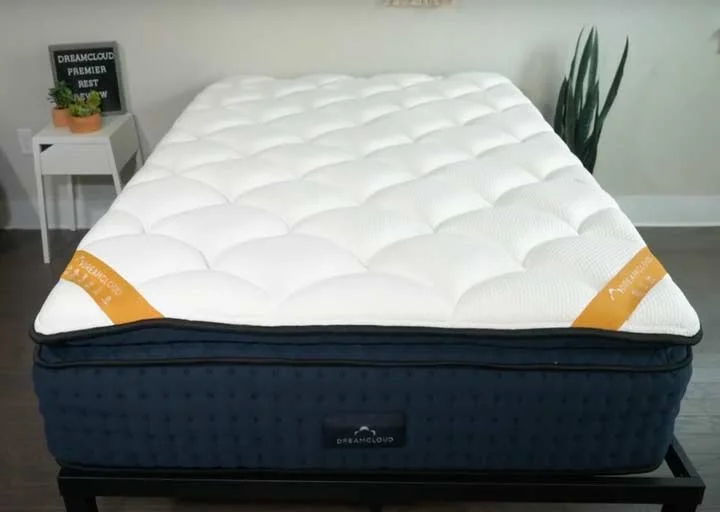
The DreamCloud is a hybrid mattress that offers great support for back sleeping and a carefully balanced mix of motion isolation and bounce. It’s definitely on the firmer side, so side sleepers may crave more cushion, but we think it’s a solid choice for couples, heavyweight sleepers, and shoppers on a budget.
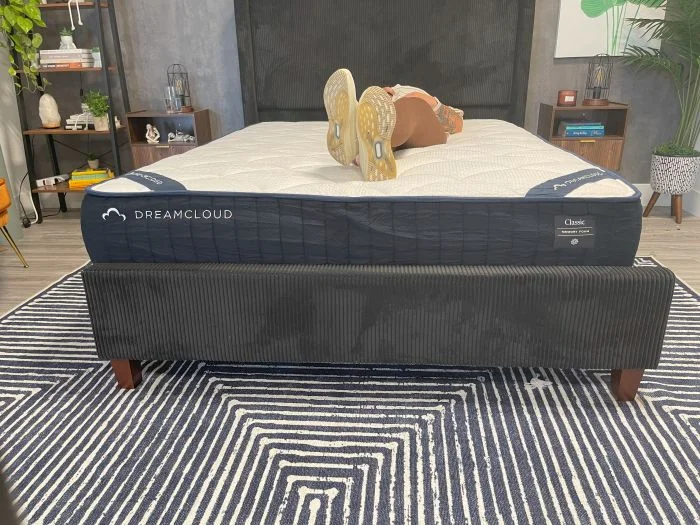
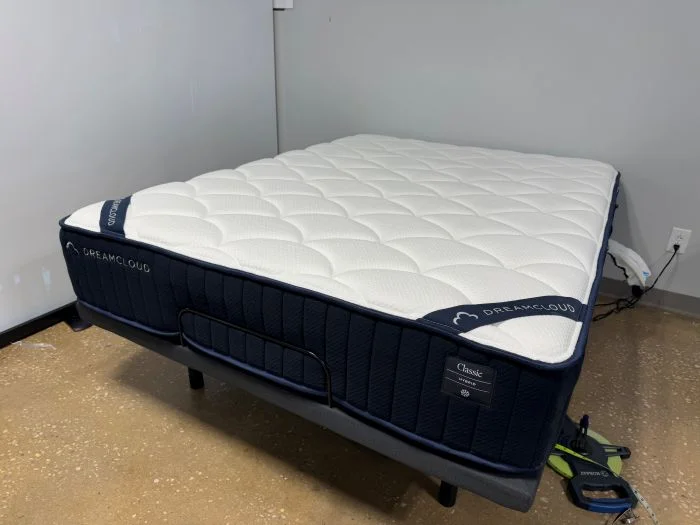
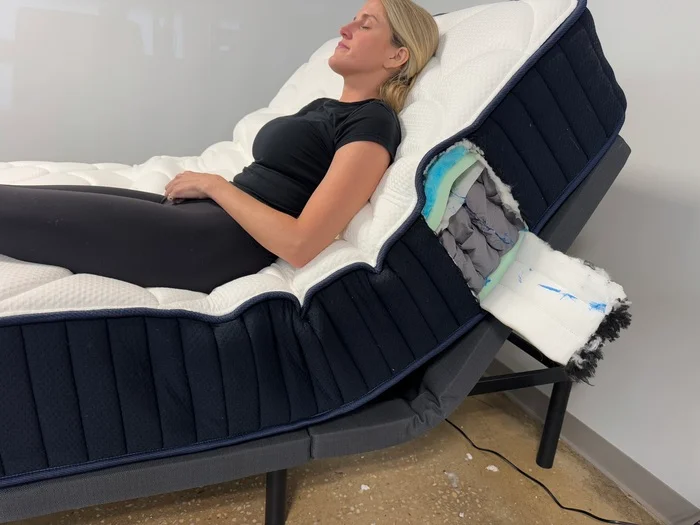
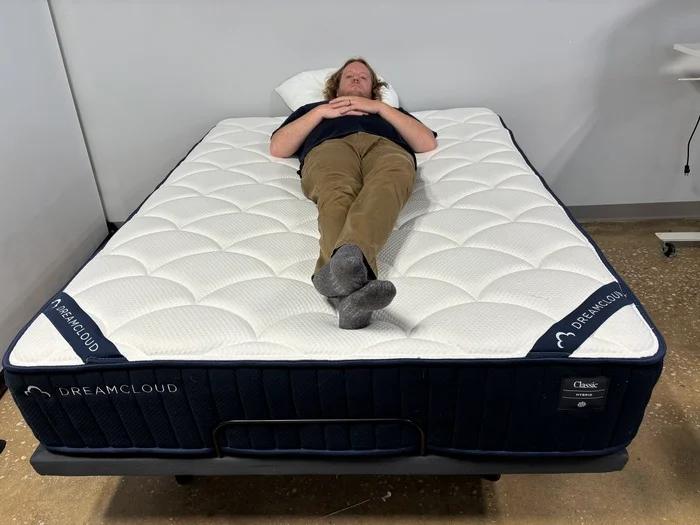
If you’re looking for a mattress for combination sleepers on a budget, look no further than the DreamCloud Classic Hybrid. This mattress earned a perfect response score, with its next highest rating in edge support (4.4/5), an ideal recipe for combination sleeping. It has a firmer feel that’s geared toward support, so if you like to feel “on top” of your mattress as you switch between your preferred positions, you’ll be more than comfortable.
After taking the DreamCloud mattress for a spin, Dr. Habeeb found that it provided a “neutral alignment” across all sleeping positions. “It provides really nice support for the lumbar spine when back and side sleeping,” she explained. “On the stomach, there’s enough lift at the hips to keep the lower back perfectly straight.”
Our testers found that the DreamCloud had a firmer feel, coming in at a 7.5/10 on our firmness scale. Still, this doesn’t mean the mattress was uncomfortable, as our testers quite liked it on their backs and sides, giving it a 4.2/5 for pressure relief. “On my back, I’m feeling a lot of cushioning from the quilted cover, and it’s filling in the space of my lower back,” said lightweight tester Riley Otis. “I think if you are a lightweight back-and-side combination sleeper, this would be a really good option for you,” she added.
Regardless of which sleeping positions you prefer, switching between them will be a breeze on the DreamCloud. “This bed has great bounce and responsiveness,” an in-house tester said after giving the mattress a try. “It’s very easy to switch positions, and I don’t feel stuck in the mattress at all.” She heartily recommended it for combination sleepers who want an effortless transition between sleeping positions.
This bounciness extended to the edges of the mattress, as our tester found that it helps “lift you right out of the bed.” When sitting down, she could feel the coil layer propping her up and keeping her from sinking. It was the same story while lying down, “I tried to roll around into different positions and see if I would tip over, but the edge remained intact and never collapsed,” she said.
Our tester noted some issues that could affect combination sleepers. “Because this mattress does have quite a bit of bounce to it, I did feel my fellow partner changing sleeping positions beside me,” she explained during the motion isolation test. She didn’t think it was enough to rouse your average sleeper, but light sleepers may want to exercise caution.
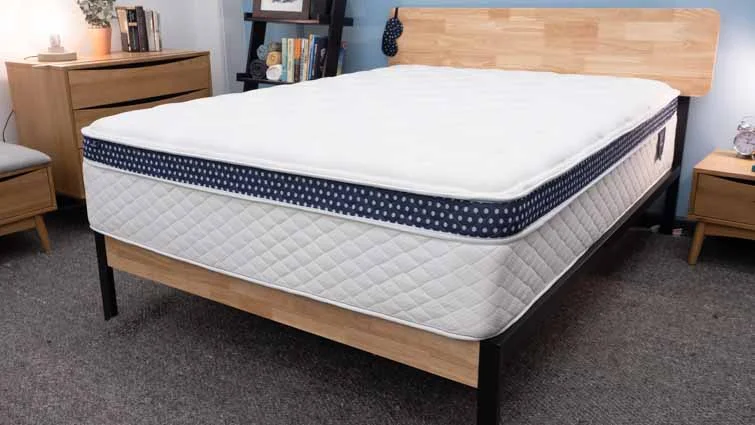
WinkBed Plus– Best Mattress for Heavy Combination Sleepers
Best Mattress for Heavy Combination Sleepers
Mattress Clarity Score
We rate each mattress on a scale from 1 to 5 to reflect its overall quality. This number is comprised of individual scores from hands-on testing of materials, firmness, pressure relief, motion transfer, cooling, responsiveness, and more.
The WinkBed Plus is a hybrid mattress. This means it has both cushioning foam and supportive coil layers.
Firmness
Multiple firmness options: Softer, Luxury Firm, and Firmer. On a scale from 1 to 10, with 1 being the softest, we rated the Luxury Firm model a 7/10, which is slightly firmer than the industry standard for medium-firm.
Price
$1,349-$2,199 (before any discounts)
Size
Twin, twin XL, full, queen, king, California king
Stomach Sleepers
Great support for stomach sleepers over 230 lbs.
Back Sleepers
Great support for back sleepers over 230 lbs.
Hot Sleepers
This bed’s cooling features can help keep you from overheating at night.
Pros of the WinkBed Plus
This bed is made with durable materials that should last at least a decade.
Back and stomach sleepers who weigh more than 230 lbs should find they get plenty of support from this bed.
It sleeps cool. The cooling cover and breathable coil contruction can help hot sleepers keep from overheating.
Cons of the WinkBed Plus
The WinkBed Plus isn’t a soft or cushioning enough mattress for most side sleepers.
Although this bed is made with layers of memory foam, it doesn’t have the traditional “sink-in” foam feel.
Shipping
Free shipping
Trial Period
120 nights
Warranty
Lifetime warranty
Returns
You’ll receive a full refund if you return your mattress within the trial period, but after a 30-day “break-in” period.
The WinkBed Plus is the brand’s model designed specifically for sleepers who weigh more than 230 lbs. Its sturdy, supportive coils help prevent sagging and provide plenty of support for heavyweight back and stomach sleepers. All of this said, it’s likely too firm of a mattress for most side sleepers. Instead, check out the WinkBed. Learn more in our video review.
Sleepers over 230 pounds may struggle to find a mattress that properly supports them while still maintaining comfort. Combination sleepers in this category may have added stress looking for a mattress that’s built for their needs, too. Thankfully, the WinkBed Plus checks all the boxes. This luxury mattress was built with plus-size sleepers in mind. It features high-density support, plenty of bounce (earning a 4/5 for responsiveness), and robust edge support (scoring 4.2/5) to satisfy combination sleepers.
The WinkBed comes in multiple iterations, and the Plus is the one intentionally designed for heavyweight sleepers. While Dr. Habeeb didn’t get to try the Plus specifically, she was more than impressed with the flagship WinkBed’s support. “I actually think this is a great bed for heavier sleepers, as it’s extremely supportive and can prevent them from sinking in too far,” she said.
Our heavyweight tester heartily endorsed Dr. Habeeb’s opinion, Matt Schickling, when he tried out the Plus. He found ample pressure relief on both his back and his side, which contributed to the bed’s overall pressure relief score of 4.3/5. “Overall, I feel really well-supported, which is unique in a firm-feeling mattress,” he said. “I don’t feel any pressure in my hips, shoulder, or lower back.” I also tried out the Plus myself, and as an average-weight sleeper, I found it very comfortable despite its firmness (for which I gave it an 8/10 on our firmness scale)—especially for stomach sleeping.
The firmness of the WinkBed Plus’ pillow top does help out in the responsiveness tests. I was able to move around on the surface of this mattress without getting caught in the dips and valleys of the pillowy contours. The coils below really pulled their weight here, as I was able to roll from each position without much effort.
The edges of the mattress are just as bouncy and firm as the rest of it, but also lofty too, which was the first thing I noticed when testing the bed’s edge support. That was the only issue when getting in and out of bed, though; I could feel the foam compress a bit under my weight, but the coils held firm, keeping me aloft. This was true for sitting and lying down. The edge of the mattress kept its shape even as I rolled around and aggressively switched positions on it, so rowdy combination sleepers shouldn’t feel unstable as they spread out.
If you share the bed with a partner, motion isolation shouldn’t pose a problem on the WinkBed, but if your partner is a lightweight sleeper, they may find this mattress a bit too unyielding. Another area of concern for the Plus comes from Dr. Habeeb’s notes on the original WinkBed. She said that it was “a tad too firm to relieve pressure at the joints properly.” Given that the Plus is firmer, this issue could be exacerbated.
Want something better suited for lighter sleepers that can still support larger folks? Check out the DreamCloud. You can read more about this bed in our full WinkBed Plus mattress review.
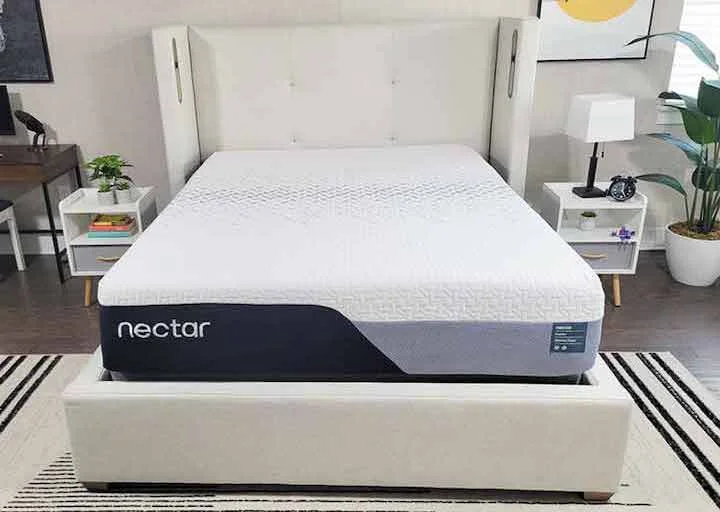
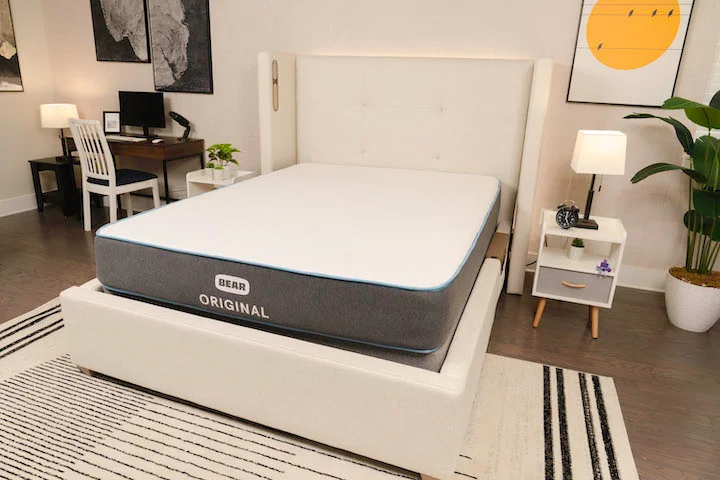
Bear Original – Best Memory Foam Mattress for Combination Sleepers
Best Memory Foam Mattress for Combination Sleepers
Mattress Clarity Score
We rate each mattress on a scale from 1 to 5 to reflect its overall quality. This number is comprised of individual scores from hands-on testing of materials, firmness, pressure relief, motion transfer, cooling, responsiveness, and more.
The Bear Original is a memory foam mattress. It features softer foam layers for cushioning and firmer ones for support.
Firmness
On a scale from 1 to 10, with 1 being the softest, we rated this mattress 6.5/10. This is the industry standard for medium-firm.
Price
$786-$1,690 (before any discounts)
Size
Twin, twin XL, full, queen, king, California king, split king
Side Sleepers
Great pressure relief for side sleepers under 230 lbs.
Back Sleepers
Great support for back sleepers under 230 lbs.
Hot Sleepers
This bed’s cooling features can help keep you from overheating at night.
Pros of the Bear Original Mattress
The Bear’s gel-infused memory foam can help hot sleepers stay cool throughout the night.
It’s an affordable option. A queen-size Bear mattress is less than $1,000, even before discounts.
Bear offers a lifetime warranty on this mattress. That means if you find any covered defects or indentations during the life of your mattress, they will replace it free of charge.
Cons of the Bear Original Mattress
This bed probably isn’t a good fit for side sleepers who weigh over 230 lbs.
Stomach sleepers likely won’t find this bed firm enough to keep their spine in proper alignment.
Shipping
Free shipping
Trial Period
120 nights
Warranty
Lifetime warranty
Returns
You’ll receive a refund if you return your mattress within the trial period, but after a 30-day “break-in” period.
The Bear Original is a memory foam mattress with broad appeal. It provides good support and pressure relief for side and back sleepers who weigh less than 230 lbs and comes with plenty of cooling features. It isn’t firm enough for most sleepers who weigh more than 230 lbs, though. If you need a more supportive bed, check out the Plank Firm. Learn more in our video review.
Most memory foam beds aren’t always good mattresses for combination sleepers, as their cushy, slow-moving feel can leave you feeling “stuck” on the surface, making it difficult to switch positions. It’s a different story with the Bear Original. This mattress has a slightly firmer feel that lends the bed an “on-top” feel, making it easier to move around on the surface. It earned a 4/5 for response and 4.2/5 for edge support, both of which are markers for a great foam bed for combination sleepers.
The Bear Original came in at a 7/10 on our firmness scale, which is just a touch firmer than typical medium-firm. Dr. Hannah Habeeb noted that the Bear provided “firmer support that doesn’t allow for much sinkage,” which could benefit sleepers who need alignment or are dealing with conditions like back pain.
In a similar vein, our testers most preferred the Bear Original on their back. “The mattress is contouring my body nicely,” said our lightweight tester. “I’m not feeling much pressure in my body, and my hips and shoulders feel aligned.” Heavyweight tester Matt Schickling found that the mattress kept him “pretty well and evenly supported after a minute or so of lying on it.”
The Bear Original should also be firm enough to support stomach sleepers. In contrast, some side sleepers may want something a touch softer—something to keep in mind if that position is in your combination-sleeping rotation.
Softer foam mattresses allow sleepers to sink in and may feel like they’re holding onto you, making switching positions difficult. My colleague Melanie Kassel found that the Bear’s firmer feel had the opposite effect in her responsiveness tests. “Because the foam is firmer, I was always right at the surface rather than sucked into the layers,” she said. She said that though the mattress didn’t feel bouncy like an innerspring bed, it was still responsive enough for combination sleepers.
Melanie thought that the edge support was just average, though a bit impressive for an all-foam mattress. These beds can sag when bearing weight as they lack the structural support of coils. When she stacked weight plates on the edge of the mattress to mimic a heavyweight sleeper seated on the edge, the bed barely sank a few inches. Lying down, she felt most secure on her back and stomach, which are the two positions we recommend for the Bear mattress.
If you’re looking for something that will work better for side-sleeping combination sleepers, check out the Saatva Classic. Otherwise, read more in our Bear Original mattress review.
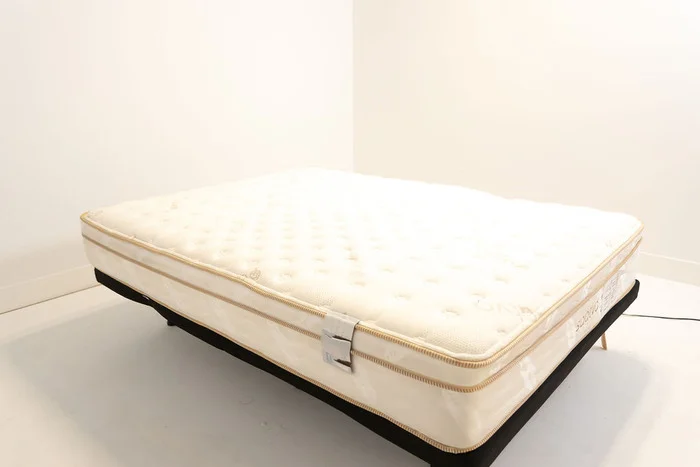
Saatva Classic– Best Mattress for Combination Sleepers with Back Pain
Best Mattress for Combination Sleepers with Back Pain
Mattress Clarity Score
We rate each mattress on a scale from 1 to 5 to reflect its overall quality. This number is comprised of individual scores from hands-on testing of materials, firmness, pressure relief, motion transfer, cooling, responsiveness, and more.
4.6
Saatva
Saatva Classic
Multiple Firmnesses
Durable
Responsive
Special Offer
$350 Off Orders of $1,000 or More with Mattress In Cart See Details
The Saatva is a hybrid mattress. This means it has both cushioning foam and supportive coil layers.
Firmness
Multiple firmness options: Plush Soft, Luxury Firm, and Firm. On a scale from 1 to 10, with 1 being the softest, we rated the Luxury Firm model a 7.5/10, which is a bit firmer than average.
Price
$1,399-$3,118 (before any discounts)
Size
Twin, twin XL, full, queen, king, California king, split king, split California king
Stomach Sleepers
It provides enough lift under the hips for stomach sleepers to maintain spinal alignment.
Back Sleepers
Back sleepers should feel fully and evenly supported.
Back Pain
Built-in lumbar support features may help combat lower back pain.
Pros
It’s available in multiple firmness options (and two heights!).
The Luxury Firm model of the Saatva Classic will work well for most back sleepers, as its zoned support encourages spinal alignment.
Its high-density foam and dual coil units should ensure longevity and durability.
Cons
If you like the feel of a memory foam mattress, you’re not going to love the springiness of the Saatva.
Lightweight side sleepers might not get the best pressure relief, even on the softest model.
Shipping
Free white glove delivery
Trial Period
365 nights
Warranty
Lifetime warranty
Returns
You’ll receive a full refund if you return your mattress within the trial period, but after a 30-day “break-in” period. A removal fee of $99 will be deducted from your refund.
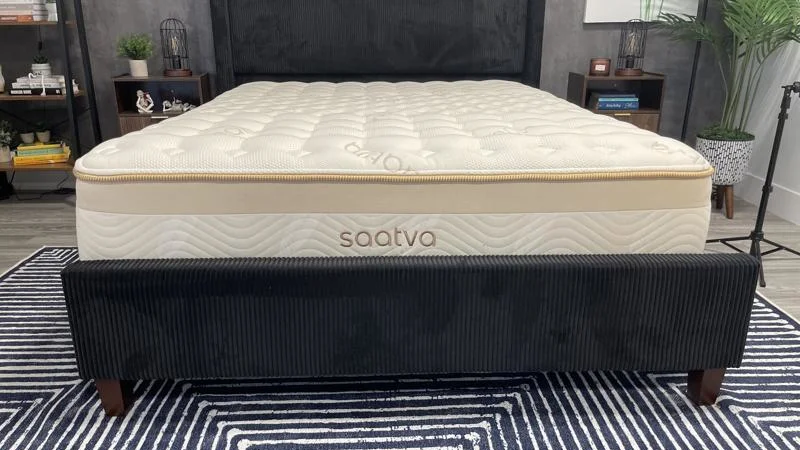
The Saatva Classic is a luxurious hybrid mattress that should be a great long-term investment. Its claim to fame is that it boasts two coil units instead of one, with a layer of shorter micro-coils above its classic innerspring unit. It’s available in multiple firmness options and two heights for lots of customizability.
We think its Luxury Firm model is one of the best mattresses for back sleepers, and two of our Certified Sleep Science Coaches actually own this bed. However, lightweight side sleepers and fans of memory foam should look elsewhere. Learn more in our video review.
If you’re a combination sleeper who wakes up with pain in your back, there’s a chance that your current mattress could be the culprit. For a mattress that delivers plenty of support and pressure relief, and is also great for combination sleepers, check out the Saatva Classic.
This luxury innerspring earned perfect 5/5 scores for both response and edge support, the pinnacle of excellence for combination sleepers. More than that, this happens to be the mattress I sleep on every night, and as a combination sleeper myself, I only have nice things to say about this bed.
We tested the Luxury Firm model of the Saatva Classic in our studio, which just so happens to be the model I have at home. It came in at a 7/10 on our firmness scale, just a smidge firmer than your typical medium-firm. However, Dr. Habeeb actually found the mattress felt softer than she expected. “It’s very comfortable, plush, and cushioning,” she said. “But I’m still finding enough support to keep my spine aligned for back pain.”
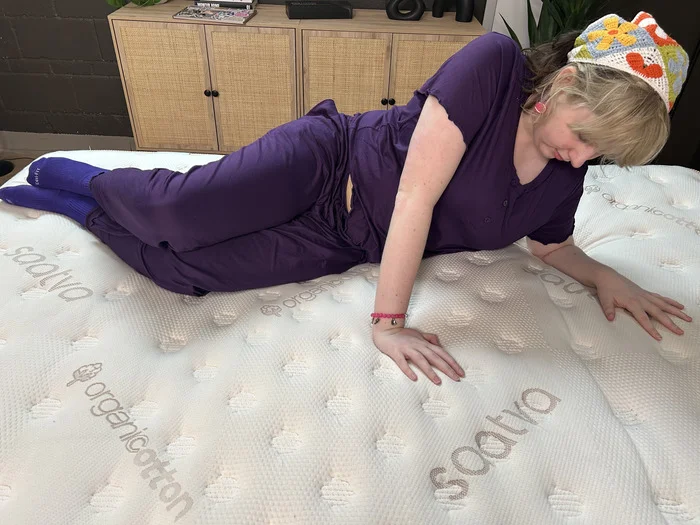
I have slept in every sleeping position on my Saatva Classic without incident, though my bias is toward stomach and side, the latter of which also appealed to our heavyweight tester, Matt Schickling. “I actually physically felt the pressure relief on my lower back, which is rare,” he said. He also found back-sleeping plenty comfortable, saying the alignment was like “like a stretch when you haven’t stretched in a while.” This mix of alignment and pressure relief should help stave off pesky back pain, keeping you properly supported in each sleeping position.
My favorite performance feature about the Saatva Classic is its bounce. I don’t think any other mattress compares, which is why it earned a perfect score for response. You’ll feel like you’re on the moon as you launch yourself from position to position without any incident, even with that plush pillow top beneath you. The reason is the bed’s two coil units, which offer double the bounce and support.
If I had to choose a second favorite, I’d pick the Saatva’s edge support. You can often find me stretching to plug in my phone or dead asleep with one leg over the side of the bed—and in neither position am I likely to slip off. Saatva’s essentially the gold standard for edge support. Combination sleepers and couples should be able to spread out, and older adults or those with mobility concerns will have no issues getting out of bed.
Folks who may have a concern are those who share the bed. I’ve had to banish many sleepover guests or myself to the air mattress because you can feel every little movement on the Saatva Classic. The mega-bounce turns into a megaphone, amplifying even the slightest twitch. If you’re a light sleeper, it’s a no-go. In that case, go with the Nolah Evolution, one of the best beds for motion isolation.
We rate each mattress on a scale from 1 to 5 to reflect its overall quality. This number is comprised of individual scores from hands-on testing of materials, firmness, pressure relief, motion transfer, cooling, responsiveness, and more.
4.4
Brooklyn Bedding
Brooklyn Bedding Aurora Luxe
Multiple Firmnesses
Breathable
RV Compatible
Back to School Sale
25% Off Sitewide & 30% Off Dorm Essentials (Toppers, Pillows, and Protectors) See Details
The Brooklyn Bedding Aurora Luxe is a hybrid mattress. This means it has both cushioning foam and supportive coil layers.
Firmness
Multiple firmness options available.
Price
$1,199 – $2,665 (before discounts)
Size
Twin, twin XL, full, queen, short queen, king, California king, split California king, RV king, RV bunk
Back Sleepers
Great support for back sleepers under 230 lbs.
Side Sleepers
Great pressure relief for side sleepers over 130 lbs.
Hot Sleepers
This bed’s cooling features can help keep you from overheating at night.
Pros of the Brooklyn Bedding Aurora Luxe
Available in a large variety of sizes. Whether you’re looking to add this to your bedroom or fit it in your RV, you should be able to find the right size.
This bed performed well on our cooling tests, making it a good fit for hot sleepers.
Cons of the Brooklyn Bedding Aurora Luxe
This bed isn’t supportive enough for stomach sleepers.
Heavyweight sleepers who weigh more than 230 lbs won’t find enough support on this bed.
Shipping
Free shipping
Trial Period
120 nights
Warranty
10-year warranty
Returns
You’ll receive a full refund if you return your mattress within the trial period, but after a 30-day “break-in” period. A removal fee of $99 will be deducted from your refund.
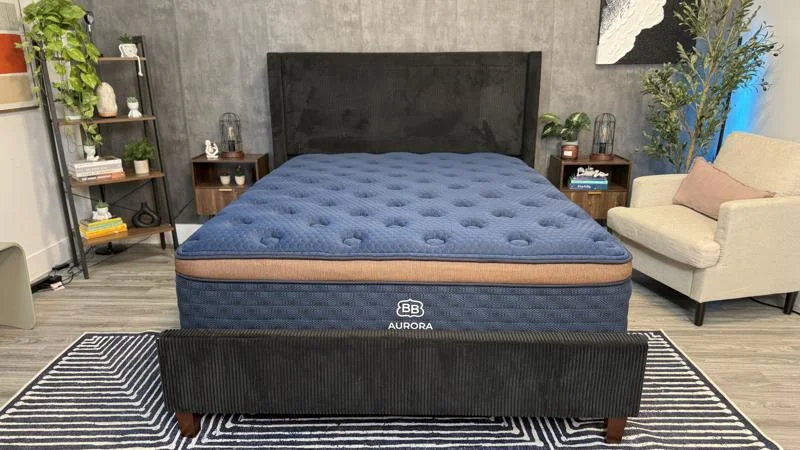
The Brooklyn Bedding Aurora Luxe offers a responsive surface great for combination sleepers. It’s also a good choice for hot sleepers looking for a bed that can keep them cool but that’s available in a wide array of sizes. Learn more in our video review.
A hybrid mattress combines soft comfort layers with supportive springs for a balanced feel, which can appeal to a wide range of sleepers, including those who swap sleeping positions throughout the night. One of the best hybrids out there for combination sleepers is the Brooklyn Bedding Aurora Luxe Cooling.
This luxury mattress earned a perfect score for response, alongside high scores in edge support (4.4/5) and pressure relief (4/5). It has a slightly firmer feel, best for combination sleepers who love a supportive mattress. As a bonus, it’s great for hot sleepers, as the name implies. It boasts cooling features like breathable foams and a cool-touch cover, which earned it a 4.5/5 for temperature regulation.
We rated the Aurora Luxe’s firmness at 7.5/10 on our scale, which skews a bit firmer than a bed with a more universal medium firmness. Dr. Habeeb found that this firmness “maintains a nice, neutral spine and supports the lower back—and this is true for all sleeping positions.” You’ll definitely feel more “on top” of this mattress than in it, but our testers found plenty of comfort on the Aurora Luxe.
All sleeping positions were a hit on the Aurora Luxe, so long as you like the firmer feel. “On my side, I feel aligned and more cradled by this than anything,” said heavyweight tester Matt Schickling. As he switched to his side, he added, “This is one of the better beds I’ve tested as far as pressure relief.” My colleague Cait Giddings, a lightweight tester, said, “I like this mattress’s above-average firmness for stomach sleeping. My hips were elevated and held in a nice line with my shoulders.”
Cait was also responsible for the other Aurora Luxe performance tests, and she awarded the mattress its highest score for response. “This mattress is so bouncy and buoyant that cycling through the different sleep positions takes very little effort,” she said. “I didn’t sink into the mattress surface at all; I felt like I was almost floating on its surface.” She heartily recommended it to both combination sleepers and any sexually active couples.
The firmer feel of this bed also allowed for better support along the perimeter. “I was surprised by how solid and structured the edge of this bed felt,” Cait commented. She was able to sit and lie down on the very edge of the mattress without feeling at risk for sliding off. “If I were in a fight with my partner and wanted to sleep as far away as possible, it wouldn’t be an issue on this bed,” she added.
We have many nice things to say about the Aurora Luxe and its performance, but a bit less to say about its price tag. As a luxury bed, it makes sense that this mattress would drive a harder bargain. A queen-size Aurora Luxe will run you more than $2,000, with sales only bringing it down to about $1,700. It may not be the best pick for budget shoppers, who may prefer an affordable bed like the DreamCloud.
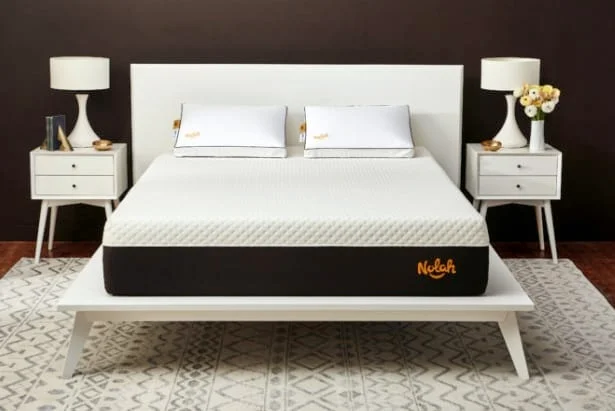
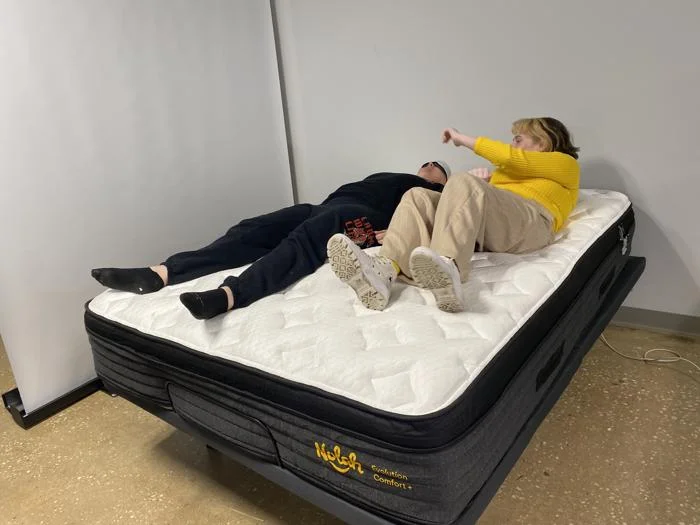
Nolah Evolution– Best Mattress for Combination Sleepers and Couples
Best Mattress for Combination Sleepers and Couples
Mattress Clarity Score
We rate each mattress on a scale from 1 to 5 to reflect its overall quality. This number is comprised of individual scores from hands-on testing of materials, firmness, pressure relief, motion transfer, cooling, responsiveness, and more.
4.6
Nolah
Nolah Evolution
Multiple Firmnesses
Cooling
Motion Isolation
Early Access Labor Day Sale
35% Off Sitewide, Additional $50 Off with Code CLARITY50 See Details
The Nolah Evolution is a hybrid mattress, which means it has coils at the bottom and memory foam on top.
Firmness
Multiple firmness options: Plush, Luxury Firm, and Firm. On a scale from 1 to 10, with 1 being the softest, we rated the Luxury Firm model a 6.5/10, which is the industry standard for medium-firm.
Price
$1,499-$3,198 (before any discounts)
Size
Twin, twin XL, full, queen, king, California king, split king
Back Sleepers
The Nolah Evolution Hybrid offers great lumbar support for most back sleepers under 300 lb.
Hot Sleepers
This bed has graphite-infused foam, which helps dissipate body heat. It also has coils that promote airflow.
Pros of the Nolah Evolution
It has great cooling features, such as graphite-infused foam and airflow-promoting coils.
Even though it has coils, it isolates motion well. This makes it a great mattress for couples.
It’s available in three firmness levels, so it works for a variety of people.
Cons of the Nolah Evolution
It lacks a slow-moving feel.
It’s not supportive enough for most people who weigh more than 300 lb.
Because it’s a luxurious mattress, it might be too pricey for some people.
Shipping
Free shipping
Trial Period
120 nights
Warranty
Lifetime warranty
Returns
You’ll receive a full refund if you return your mattress within the trial period, but after a 30-day “break-in” period.
The Nolah Evolution Hybrid mattress is available in three firmness levels. The Luxury Firm model works well for many back and side sleepers. This mattress has many cooling features, and it isolates motion well. It’s not a great option for most people who weigh over 300 lb, though. If you fall in this category, you may need more lumbar support. Watch our Nolah Evolution mattress review video to learn more.
Tossing and turning really rocks the boat, so combination sleepers who share the bed might want to get a mattress that keeps disturbances to a minimum. The Nolah Evolution is a luxury hybrid that features both bouncy coils and motion-absorbing foams. The latter helped the bed to earn a perfect score in the motion isolation category. This means that couples should be able to sleep soundly through the most aggressive changes in sleeping positions, while the coils below make this easier to do so.
We tested the Luxury Firm model of the Nolah Evolution, the bed’s mid-range option. It came in at a 6.5/10 on our firmness scale, a true medium-firm feel. Dr. Habeeb found that the foams on top gave the bed an “orthopedic feel in terms of body contouring,” which could benefit combination sleepers dealing with conditions like sensitive joints or chronic pain.
For our sleepers, this manifested in a “super-plush feel” on top, per heavyweight tester Matt Schickling. He preferred the Evolution most when resting on his back and side. “I feel super-cradled by this mattress,” he said. “It’s so soft but supportive at the same time.” Our testers also found that the Evolution’s foams cradled their hips when resting on their stomachs, keeping them properly elevated with just the right amount of sinkage.
With all this foamy comfort on top that’s so great at absorbing motion, we’d expect this bed to have a poor showing in the response department. But my colleague Cait Giddings noted that “for the most part, it was easy to move around and switch positions.” She added that it had a more “slow-moving feel” than other hybrids, which may turn some combination sleepers off the bed—but also attract those who love the feel of traditional memory foam. This is why the bed earned a 4/5 score for responsiveness.
The soft foams thankfully didn’t pose any problem at the perimeter of the mattress. Cait encountered a bit of sinkage while seated on the bed’s edge, but nothing that she would complain about. “When lying at the far reaches of the bed, however, I felt beyond secure,” she said. “Whether I lay on my side, back, or stomach, the mattress remained solid and steady, with no sinking or sagging to suggest its structured support would flag along the edges.” Based on her experience, she rated the overall edge support at 4.6/5.
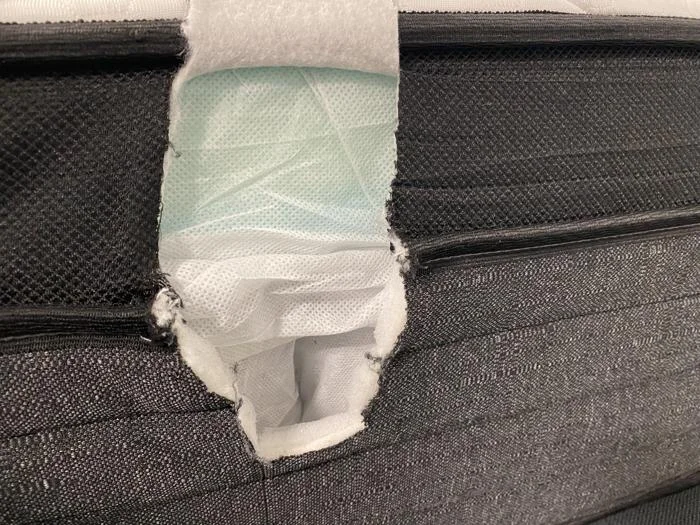
In terms of performance and comfort, there’s little to nitpick when it comes to the Nolah Evolution. However, this mattress arrived pretty beat up in the studio, which dampened our opinion of its overall “luxury hybrid” status. It made the unboxing process a bit more precarious and a little less glamorous, which can be a pain for folks looking for convenience and consideration.
If you want to eliminate the hassle, check out the Saatva Classic, which comes with free white- glove delivery. Otherwise, you can read more in our full Nolah Evolution mattress review.
We rate each mattress on a scale from 1 to 5 to reflect its overall quality. This number is comprised of individual scores from hands-on testing of materials, firmness, pressure relief, motion transfer, cooling, responsiveness, and more.
4.6
Birch
Birch Luxe Natural
Firm Feel
Eco-Friendly
Breathable
Labor Day Sale
20% Off Sitewide with Code LDW20; 25% Off Birch Luxe Mattress with Code LUXE25; 30% Off Birch Elite Mattress with Code ELITE30 See Details
The Birch Luxe is a luxury hybrid mattress that uses natural foam and wool for comfort and steel coils for support.
Firmness
On a scale from 1 to 10, with 1 being the softest and 10 being the firmest, we rated the Birch Luxe a 7/10, meaning it’s quite firm.
Price
$1,623-$3,123 (before discounts)
Size
Twin, twin XL, full, queen, king, California king
Back Sleepers
Ideal for average weight and heavyweight back sleepers.
Stomach Sleepers
Ideal for average weight and heavyweight stomach sleepers.
Pros of the Birch Luxe
This bed is one of the firmer options, which is great if you like a bed with less sinkage and more pushback.
The Euro-top has you feeling like you’re sleeping in the lap of luxury, all wrapped in an eco-friendly package.
It’s strong edge support could be beneficial for sleepers who need a firm surface to bear down on in the morning.
Cons of the Birch Luxe
As a more responsive mattress, you won’t feel hugged by the bed, which may not be preferable.
Organic and sustainably-sourced materials make the Birch Luxe one of our pricier picks.
Shipping
Free shipping
Trial Period
100 nights
Warranty
Limited lifetime warranty
Returns
Free refunds during the trial period.
The Birch Luxe Natural Mattress is a new mattress designed with luxury in mind. This is a luxury hybrid mattress perfect for fans of eco-friendly made mattresses.
Beds that contain latex are some of the bounciest, thanks to the material’s innate buoyancy. This makes them amazing picks for combination sleepers, as moving around on these beds is virtually seamless. The Birch Luxe Natural is a higher-end latex bed that earned a 5/5 response score and gold stars for edge support (4.7/5)—the perfect combo for our beloved combo sleepers.
The Birch Luxe mattress came in at a slightly firmer 7.5/10 on our scale, leaving our testers feeling more “on top” of the mattress rather than sinking deeply into it as they would with a foam bed. “I like a little more contouring and sinkage with my mattress,” our average-weight tester said, but she was able to find comfort while resting on her side and back.
“I feel really great support on my side,” she said. “The pressure relief is doing a good job and not creating any uncomfortable positions for my spine.” On her back, she felt “fully aligned and supported,” though she noted the on-top feel may not appeal to all sleeper types. “Overall, I feel great,” she finished, rating pressure relief at a 4.3/5.
Natural latex is not just an eco-friendly option; it’s also one of the best for bounce, as our testers found in our response tests. “This mattress is really easy to move on when it comes to switching positions,” our tester said. “I don’t feel like the mattress is fighting me at any point, and the top and cover feel flat, so I don’t have issues feeling stuck.”
This bounce also comes in handy for getting in and out of bed, which can benefit sleepers who need assistance from a sturdy edge. “I don’t feel like I am sliding off or need my hands for support,” our tester explained. “The edge helps bounce you out of the bed slightly.” Lying down was a similar story. “Even exaggerating my position, I felt very supported and stable.” Latex can sometimes have a jiggly feel, which can make it difficult to find proper edge support, but that wasn’t the case here.
The jiggliness did spell trouble for our motion isolation tests, where the bed unfortunately earned its lowest score. Our tester could feel the mattress wiggle when someone was getting in and out of bed. “When they were switching positions, I felt less movement,” she added. I wouldn’t feel comfortable recommending this mattress to combination sleepers who share the bed with light sleepers or are one themselves. These shoppers should direct their attention to the Nolah Evolution or Bear Original, two beds that scored higher for motion absorption.
Other Mattresses for Combination Sleepers We Researched
If you didn’t find what you were looking for in the list above, here are some other beds we love that can work for combination sleepers:
Brooklyn Bedding Signature Hybrid – The Signature Hybrid is an affordable hybrid with a balanced medium-firm feel. It has the traditional, bouncy feel of an innerspring mattress. This is one of the most important factors for combo sleepers, as it makes it very easy to move around on the mattress surface. However, it still wasn’t as bouncy as the Aurora Luxe Cooling, which made our list. The Signature also lagged in other areas, such as edge support and cooling.
Bear Elite Hybrid – The Bear Elite Hybrid is a high-quality hybrid mattress that consists of bouncy coils and a plush pillow top. It’s also available in multiple firmness options, so combination sleepers can tailor the feel to their preferred positions. However, this pillow top can muffle the recoil of the springs, meaning it won’t be as bouncy as other hybrid options. Our testers also found it wasn’t as cool as advertised, which could pose a problem for combination sleepers who run hot.
Nectar Classic Hybrid– The Nectar Hybrid has a hybrid construction consisting of foam layers and a support layer of individually-wrapped coils. This type of build lends itself to excellent support and durability, as well as pressure relief, where this bed excels. However, it does have a more traditional memory foam feel on the surface, which may be too slow-moving for certain combination sleepers after bounce.
The Testing Process for Combination Sleepers
Beds for combination sleepers will excel in two key areas: responsiveness and edge support. This ensures that these beds are bouncy enough for ease of movement, as well as spacious and durable enough to do so without incident. They should also be of a relatively versatile firmness that can work for multiple sleeping positions. Below, I’ll dive deeper into how we test our top mattresses to ensure they check all of these boxes.
Responsiveness
A responsive mattress is a close cousin of a bouncy mattress. Response refers to how well the mattress “snaps back” into position after you move around on it. You won’t sink into the mattress and feel stuck, which is the last thing combination sleepers want. A responsive mattress makes switching positions easy, so that’s why it’s at the top of our list when judging whether a bed will work for these sleepers.
We test responsiveness in a fairly straightforward manner. Our testers move around on top of the bed and judge whether or not they find it a responsive sleep surface. They note where they think the responsiveness comes from, or what they think impedes their ability to move fluidly. Then, they rate responsiveness as a whole out of 5. Average responsiveness would fall around 3.5/5 on our scale, so anything above that, I’d consider amenable for combination sleepers.
Edge Support
Edge support in a mattress refers to how well it holds up under weight. Often, when you sit or lie at the very edge of the mattress, it can sink or collapse beneath you. This can make it difficult to use the edge for tying your shoes, getting in and out, or even spreading out to your heart’s content. The latter will be more pertinent for combination sleepers, who may end up migrating far in their quest to find a comfortable position.
We test edge support in two ways. First, we sit on the very edge of the mattress and gauge how secure we feel. We also get in and out of bed to see if the mattress helps in any way, an important metric for older sleepers or those with mobility concerns. We then lie down at the edge, cycling between each sleeping position to see if any one is more stable than the other. In each of these instances, we rate our comfort level out of five.
The second edge support test is the weighted edge support test. In this test, we stack weight plates on the edge of the mattress, with different amounts representing each body weight category (lightweight, average-weight, and heavyweight). We then use a tape measure to record the sinkage depth for each and rate our findings out of five. More sinkage will result in a lower score. The overall edge support score is the average of the test above and the weighted edge support test.
Edge support can also be a marker for durability, which is important for all sleepers, not just those who switch between positions. The less likely a mattress is to sag when bearing weight, the more likely it is to hold its shape with repeated use. It’s good news if you’re tossing and turning quite a bit on your bed.
Firmness
We often say that the ideal firmness for your needs depends on your sleeping position. For combination sleepers, this can be tough to reckon with. We recommend that side sleepers find a softer mattress that excels in pressure relief, but what if you also sleep on your stomach, which requires a firmer, more supportive feel? Combination sleepers need a firmness that’s versatile enough to accommodate multiple or all sleeping positions.
Thankfully, medium-firm mattresses are highly recommended for all sleeping positions and sleeper types. “Medium-firm mattresses often provide the optimal balance of pressure relief and support,” says our chief medical advisor, Dr. Raj Dasgupta. “This promotes proper spinal alignment and cushions the pressure points, ensuring a sleeper’s comfort.”
Our firmness scale runs from 1 to 10, with 1 being the softest and 10 being the firmest. We rate medium-firm at a 6.5/10 on this scale. We assign a mattress its firmness level after spending some time resting on the surface in each position, evaluating how it feels in each, and any caveats that other sleepers might encounter.
It’s important to note that how firm a mattress feels can vary between testers for a number of reasons, some of which we’ll get into in the sections below.
What Else Is Important When Buying a Mattress for Combination Sleepers?
If you’ve found a couple of beds that meet the requirements outlined above, you might have trouble narrowing them down to a final choice. Let’s go over some other considerations that can affect how a bed feels and performs—and which ones should appeal to your specific preferences.
Type of Mattress
There are a few mattress types that can accommodate combination sleepers. Generally, the bounciest options will contain coils, like hybrid and innerspring mattresses. These beds also provide plenty of support. Our chief medical advisor, Dr. Raj Dasgupta, is partial to hybrid mattresses, calling them “a superhero of sleep comfort,” because they combine the responsiveness and support of the coil system with the coziness of foam. This can also make them more versatile for different positions and body types.
Latex mattresses are also a great option for combination sleepers. This natural material is very buoyant and responsive, more so than your typical memory foam. Some studies also report that it’s more breathable and pressure-relieving, too. However, it’s a unique feeling that may not appeal to all combination sleepers. If you’re interested in trying latex, I’d opt for a latex hybrid, which contains coils as well as latex for added support and bounce.
Maybe you’re a foam mattress fan. To satisfy your combination-sleeping needs, consider purchasing one with a zoned construction or a thinner comfort layer and firmer base foam. You’ll want to be able to move easily from one position to another while still maintaining the same support. Some softer foam mattresses may offer better pressure relief for side sleepers, but the top layers may be too cushy to offer the response combination sleepers need.
Sleeping Positions
While we recommend medium-firm mattresses as a mid-range baseline for most combination sleepers, you may want to tailor your mattress to your preferred sleeping positions. There’s no need to buy a mattress that’ll work for stomach sleeping if you don’t sleep on your stomach, for example. To get you started, here’s what we recommend each sleeping position look for in their mattress:
Side sleepers need a bed with plenty of pressure relief. Many might be comfortable on a medium-firm mattress, but some might prefer a medium or even soft mattress for better contouring around the hips and shoulders, which side sleeping puts a lot of pressure on.
Back sleepers require a balance, which many can get with a medium-firm mattress. Be sure that the bed fills in the gap at your lower back, which will help stave off pain in this area.
Finally, stomach sleepers are going to want a bed that properly supports them and keeps their hips from sinking in too far. Some might need a firm or even extra-firm mattress to prevent this issue.
All sleeping positions may benefit from some sort of zoned support. This means the mattress will be softer and firmer in certain areas (usually firmer at the center) to follow the natural shape of your spine and where your body falls.
Body Weight
Like your preferred sleeping positions, how much someone weighs can affect how far they sink into the mattress and how much support they require. It also affects the bed’s perceived feel. “A mattress will feel firmer to a more petite person than it will to a heavier person,” Dr. Dasgupta says. This can affect our aforementioned medium-firm recommendation.
If someone weighs less than 130 pounds, a medium or medium-firm memory foam mattress could be a good fit for numerous sleeping positions. However, if they weigh more than 230 pounds, they might need a more supportive hybrid mattress with a firmer feel. For combination sleepers of any size, it’s all about finding the right balance of comfort and support.
Motion Transfer
If you share the mattress, it’s especially important to consider how the mattress will handle motion isolation. If one or both partners are combination sleepers, will their movements disturb each other, or will the mattress absorb the motion before it travels across the surface?
Memory foam mattresses or hybrids with thick, cushy comfort layers usually have the best motion transfer results. At the same time, they’re not always the best choice for combination sleepers. This slow-moving feel can have combination sleepers feeling “stuck” in the mattress as they try to switch positions. Thankfully, we test motion isolation on every mattress so you can get a feel for how well (or poorly) it stifles any disturbances.
To test motion isolation, we place a glass of water on one side of the mattress. A tester hops in on the other and moves around, switching positions and getting out of bed, for example. How the water behaves tells us how much of our movements are felt on the other side; more rippling means more motion transfer, which spells trouble for light sleepers.
We also have two testers get into bed to simulate what it’s like to sleep alongside a restless shifter. One person remains blindfolded while the other moves around, giving their opinion on how much movement they feel or notice, and whether or not they think it’d wake them. The final motion isolation score you see assigned to each mattress is an average of these two test results, and it should give you a preview of how well the mattress will work for couples.
Company Policies
Buying a new mattress comes with a lot of fine print, and it can be tempting to ignore it and click add to cart. But many mattress companies offer plenty of “freebies” alongside their product that can help increase its overall value—or help you make a final decision on whether it’s the bed for you.
In this day and age, you can buy a mattress without leaving your house, which is great for convenience’s sake. Many online mattresses are called a “bed-in-a-box,” meaning they arrive at your door compressed into one package. This can make set-up easier, as you won’t have to lug a full-size mattress through your house or apartment. Most bed-in-a-box mattresses come with free delivery, but other mattresses aren’t compressed at all. Some, like the Saatva Classic, include free white-glove delivery. This means a team will deliver your mattress by hand, set it up, and even take your old one away—all free of charge.
But shopping in-store is great for people who need to see and touch a product before they purchase it, and mattress brands understand that. That’s why many online mattress retailers offer what they call a “sleep trial” with a new bed. This means that from the moment it arrives at your door, you have a limited trial period to give it a whirl. If you end up hating the bed, you can usually return it for a full refund, so long as it’s within that trial period. Most trials last anywhere from a few months to an entire year.
Don’t ignore a mattress warranty, either. The average bed lasts around 10 years, which is why you’ll see brands offer warranties around that length. But some come with 15-year, 25-year, or even lifetime warranties to sweeten the deal. It not only speaks to a higher confidence in a product, but it means you’ll be protected for longer if the mattress shows any defects.
Best Mattress for Combination Sleepers FAQs
What mattress is best for combination sleepers?
We chose the Helix Midnight Luxe as our pick as the best mattress for combination sleepers—but, truthfully, there is no one perfect mattress for combination sleepers. In general, a medium-firm mattress that is bouncy and responsive can accommodate multiple sleeping positions while making it easy to change positions throughout the night. This is what the Helix Midnight Luxe provides, alongside added touches of a pressure-relieving pillow top, cooling, and features that should appeal to couples.
What mattress firmness is best for combination sleepers?
Medium-firm mattresses are some of the best for combination sleepers because of their versatility. This mattress firmness provides a mix of softness and support that can benefit many sleeper types and sleeping positions. It’s also one of the best for maintaining spinal alignment and lowering the risk of back pain.
Low, F.-Z., Chua, M. C.-H., Lim, P.-Y., & Yeow, C.-H. (2017). Effects of Mattress Material on Body Pressure Profiles in Different Sleeping Postures. Journal of Chiropractic Medicine, 16(1), 1–9. https://doi.org/10.1016/j.jcm.2016.09.002
Radwan, A., Fess, P., James, D., Murphy, J., Myers, J., Rooney, M., Taylor, J., & Torii, A. (2015). Effect of different mattress designs on promoting sleep quality, pain reduction, and spinal alignment in adults with or without back pain; systematic review of controlled trials. Sleep Health, 1(4), 257–267. https://doi.org/10.1016/j.sleh.2015.08.001
Livvi has been writing and researching sleep-based content for over a year. This, alongside her penchant for napping and extreme tossing and turning, has made her something close to an “expert” in the realm of sleep science, sleep products, and sleep accessories. She’s been consulted for her knowledge of the sleep space by publications such as Authority Magazine, Bustle, and Livingetc.