


There’s a lot to love about buying a mattress online, and a mattress trial often leads the way.
A mattress trial period, offered by most brands, including popular ones such as Nectar, Helix, Leesa, and Saatva, gives shoppers a chance to test a brand-new mattress at home to determine whether it really meets their needs. Since the real test of a mattress is actually sleeping on it, it’s a vast improvement on testing out a mattress for a few minutes in a brick-and-mortar store.
Still, there are a few nuances about the mattress trial worth understanding. Here’s how they generally work and what to check before you add that mattress to your cart and type in your payment details.
What is a Mattress Trial Period?
A mattress trial period is a predetermined length of time during which you can sleep on a purchased mattress to assess its suitability for your body, sleep style, and preferences. If you decide the mattress isn’t a good fit, you can usually return it for a full refund. Sometimes, you can exchange the mattress for a different model from the same manufacturer instead of getting a refund.
Mattress trial periods are sometimes called sleep trials or at-home trials. And while they’re all versions of the same general concept, there can be a lot of variability from one brand to the next. Details like trial window, mandatory break-in periods, the return process, exchange or return rules, frequency limits, and other conditions tend to be specific to the brand when you’re buying direct.
But different rules can apply if you’re buying through a third-party retailer, and it’s important to understand what you’re getting — or possibly forfeiting — by not buying from a particular brand directly.
Does Every Mattress Come with a Sleep Trial?
No. While they’re standard among direct-to-consumer brands, they aren’t universal. Importantly, the sleep trial doesn’t always follow the mattress. If you’re buying an identical model from an online marketplace or a big-box retailer, you may only be covered by that retailer’s return window — not the brand’s trial.
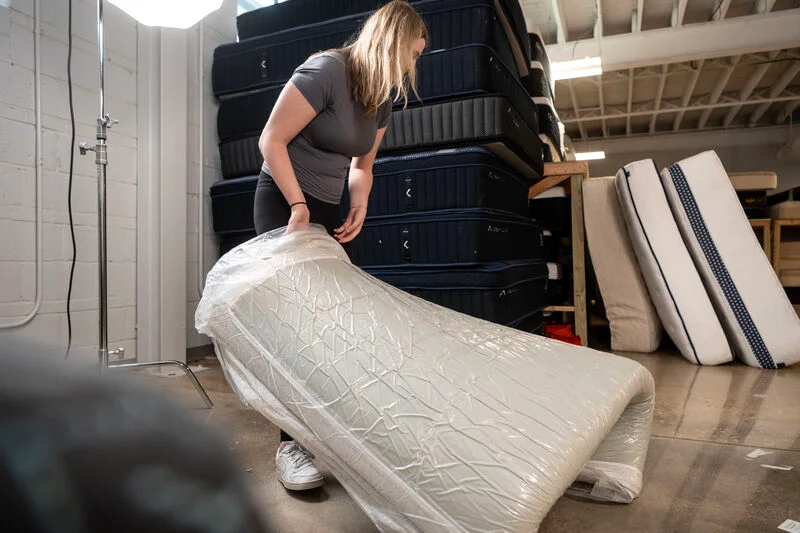
Tempur-Pedic is a good example. It has a 90-night sleep trial that applies only to mattresses purchased directly from the company. If you buy it somewhere else, make a point of checking the seller’s return policy.
That’s a good rule of thumb when you’re checking options from our picks of the best online mattresses or the best mattresses of 2026 — check the trial terms on the brand’s own site for the most current information.
Typical Mattress Trial Lengths
The biggest differentiator in mattress trials is usually how long they last. Different brands offer different timeframes, with the average falling between 90 and 120 days. Some are much longer. DreamCloud’s home trial is 365 nights — yes, a whole year, and it includes free pickup and no restocking fee.
This kind of information is usually easy to find. Since mattress trials are selling points, the details are usually front and center on product pages.
As a general rule, anything under 30 days really isn’t a sleep trial. That’s a standard return window, and it probably isn’t enough time to fully adjust to a new bed. Trial window lengths usually align with the price tag. It’s a confidence signal for more premium brands, while some of the best cheap mattress options may offer shorter windows.
When Does a Mattress Trial Begin?
The mattress break-in period is a real thing. Materials soften a bit, and your body needs time to get used to the new feel. That’s why many brands include specific adjustment periods in their sleep trials. The rule of thumb is at least 30 days, which is the usual timeframe for an adjustment window.
While most mattress trials begin the day your new mattress is delivered, adjustment periods often mean you can’t initiate a return until the break-in period is over. There’s some logic here — it keeps customers from trying to send back a mattress because of one or two restless nights.
What to Evaluate During Your Mattress Trial
Whether you have a few months or a whole year to evaluate your new mattress, it’s worth doing so carefully. While people may debate the merits of a hybrid mattress compared to a memory foam mattress, they don’t often spend much time considering specific performance features. It’s worth your time, since it helps you learn what works for you — and what doesn’t.
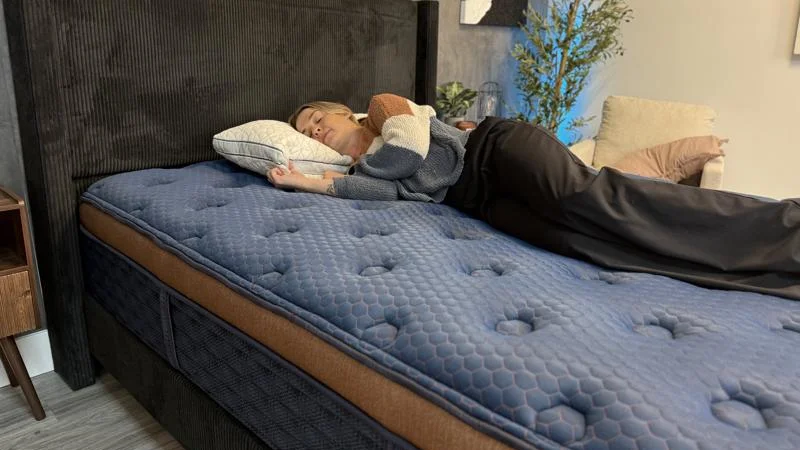
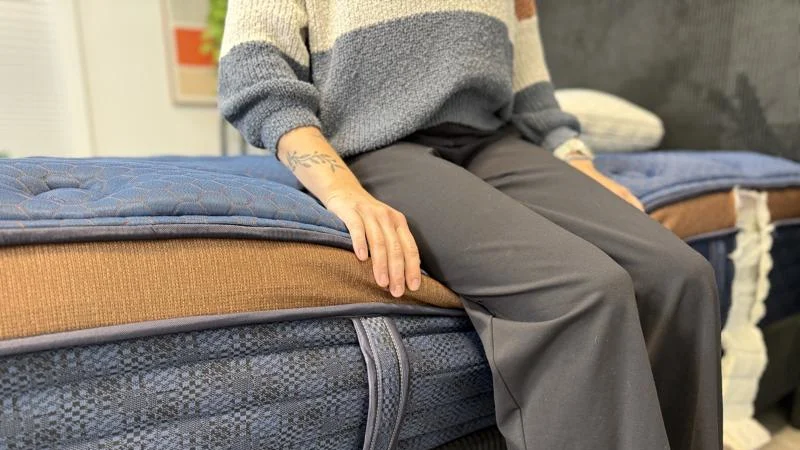

Here’s what to keep in mind during your sleep trial:
- Support and comfort. Do you feel supported in your preferred sleep position? While you may feel a little stiff at first, your body should adjust within 30 days or so. If you’re dealing with pain beyond that timeframe that began when your new bed arrived, you may have chosen a bed that’s too firm or too soft for your body type and sleep style.
- Motion isolation. If you share the bed with a partner or pet, are you being jostled awake when they move? Motion isolation keeps movement from transferring across the bed. Memory foam models tend to perform well in this category.
- Temperature. Does the mattress trap heat? Some materials retain body heat more than others, which poses a problem if you’re a hot sleeper or live in a warm climate.
- Edge support. Do you feel secure along the side? For seniors with mobility issues or couples who need room to spread out, a bed with strong edge support is key.
- Ease of movement. If you’re a combination sleeper who changes position during the night, a bed with a quick response time can minimize nighttime disruptions.
- Noise. New mattresses shouldn’t creak or squeak, even if they have coils, but some foam mattresses can make rustling or hissing sounds. If you’re a lighter sleeper, that might be an issue.
Try to be objective about what’s working and what isn’t, and remember that it’s reasonable to give a new mattress at least a few weeks before deciding it’s not a good fit. That’s the beauty of a sleep trial — you get plenty of time to test it out.
Returning a Mattress During a Trial Period
Once you’re past the break-in period, initiating a return typically involves contacting customer service. Many online mattress companies sell beds in a box — fortunately, you aren’t responsible for jamming the mattress back into the box it came in. Return policies vary, but most brands will arrange for the mattress to be picked up and either sent back to the manufacturer or donated. Consider it an underrated perk of the best bed-in-a-box mattress brands.
Be aware that not all sleep trials are entirely free. While you can expect a refund on the cost of the mattress, return fees or restocking fees may apply. If you paid shipping fees or for upgraded services like set-up or removal of your old mattress, those typically aren’t refunded. Any bonus items that were included, such as a sheet set or bedding bundle, will likely need to be returned as well. And if you live in Alaska or Hawaii, you may also be on the hook for return shipping fees.
Instead of a refund, some brands offer exchanges for another model in the collection. If the sleep trial made you realize that you really don’t like the feel of memory foam, or that you need a mattress with better motion isolation, an exchange can be a good option.
Many sleep trials apply to the first mattress purchase only. If you exchange for a different model, there may be no way to return or exchange it again. That’s a question worth asking when you’re working with customer service to return the first mattress.
Mattress Trials vs Mattress Warranties
Mattress trials aren’t the same as mattress warranties. The first is an opportunity to assess a mattress at home and send it back for an exchange or refund if it doesn’t meet your needs. A mattress warranty is designed to protect against defects in materials, manufacturing, or craftsmanship over an established period.
While a sleep trial rarely extends beyond 365 days, mattress warranties are generally 10 years. Some are advertised as a lifetime warranty. Check the fine print for details — most warranties are clear about what’s considered a defect and what isn’t. Regular wear and tear, minor cosmetic flaws, changes in comfort, and body impressions and sagging that don’t exceed a specific depth usually aren’t covered.
Some warranties can be voided if you don’t follow specific instructions regarding foundations or the use of a mattress protector, so it’s a good idea to read the fine print first.
How to Get the Most Out of Your Sleep Trial
A sleep trial only protects you if you use it, so mark the delivery date and the day your break-in period ends on your calendar, as well as the day the trial ends. Missing the deadline by a week is a disappointing way to lose your refund.

Use a mattress protector to protect against stains, which can void return policies and most warranties, and remember to leave the mattress tags in place.
The Bottom Line
An at-home mattress trial can offer peace of mind, because it’s the closest thing online shoppers get to a guarantee. The key is understanding the terms so you’re clear on the rules before you buy. Confirm who handles the return, whether the trial actually applies to your purchase, and what it costs you if the bed has to go back. Then assess the bed deliberately to be sure it’s delivering the support and comfort you deserve.
Remember, trial terms can also break a tie. If you’re debating between two beds at a similar price, the one with the longer window and cleaner return policy is usually the winner. That’s why our picks of the best mattresses for the money weigh sleep trial terms alongside durability and support.
FAQs
What is a mattress sleep trial?
A sleep trial or at-home trial is the amount of time that you can sleep on a new mattress to decide whether it will work for you in the long term. If you’re unsatisfied with the mattress during the trial, you may be able to return it for a refund or exchange, depending on the company’s policy. Please note that each company’s policy can vary and you will need to check all the details.
How long do mattress sleep trials last?
Sleep trials vary by company, but most range from 3-12 months. The trial period typically begins on the date your mattress is delivered, but check your manufacturer’s policies.
Do you have to keep a mattress for a certain amount of time before returning it?
Most of the time, you have to keep a mattress for a certain period before you can initiate a return. This gives your body time to adjust to a new mattress, while allowing the mattress materials to break in. Check the sleep-trial terms to determine whether there’s a minimum number of nights you must keep the mattress.
Can you return a mattress during a sleep trial for any reason?
Sleep trials allow you to return a mattress if you prefer a different comfort level or firmness. However, it is advisable to read the fine print because there may be restrictions on returns. If your mattress is stained, ripped, or otherwise damaged, it may not be eligible for a return. Sleep trial and return policies vary by company, so read the trial terms carefully.
Do you have to pay to return a mattress during a sleep trial?
It depends on the company’s policies. Some mattress brands offer free returns and arrange for the mattress to be picked up, donated, or recycled. Others may deduct return shipping, transportation, or processing fees from your refund. Check the return policy for potential fees before buying.