




Are you waking up in pain or discomfort every morning? There’s a high chance that your mattress is too firm for your sleep needs. But before you throw the whole bed away, consider getting a soft mattress topper. These go on top of your bed and can drastically transform the feel and firmness of your bed. The best part is that you don’t have to shell out thousands of dollars or go through the hassle of finding the perfect mattress for your needs—you can just create it yourself.
To find the best soft mattress toppers, our experts tested dozens of so-called plush options to see if they truly fit the bill. Our list below includes toppers that aren’t just soft, but also top performers in pressure relief, durability, and overall comfort.
Clarity’s Clear Winner
According to our expert testers, the best soft mattress is the Saatva Graphite Memory Foam Mattress Topper because of its supportive but plush feel and durable construction. Its graphite-infused foam contours to the body without letting sleepers sink in too far, promoting proper spinal alignment as it keeps pressure off the sensitive joints. During testing, we also found it didn’t trap body heat like most memory foam mattress toppers, yielding a more temperature-neutral sleep surface.
The Best Soft Mattress Toppers
- Saatva Graphite Memory Foam Mattress Topper – Best Soft Mattress Topper Overall
- Nectar Softer Mattress Topper with Cooling Gel Memory Foam – Best Affordable Soft Mattress Topper
- Nolah Mattress Topper – Best Soft Mattress Topper for Side Sleepers
- Brooklyn Bedding CopperFlex Topper – Best Soft Memory Foam Mattress Topper
- Bear Pro Mattress Topper – Best Soft Mattress Topper for Couples
- Viscosoft Active Cooling Copper Mattress Topper – Best Soft Cooling Mattress Topper
- Avocado Eco Organic Topper – Best Soft Latex Mattress Topper
How We Tested and Selected the Best Soft Toppers
First and foremost, a soft mattress topper has to be truly soft. Like how we rate mattress firmness, we also assign a rating to each topper we test. Our firmness scale runs from 1 to 10, with 10 being the firmest. Medium-firm mattresses, touted as the industry standard, come in at 6.5/10 on this scale. We’d consider any number lower than that to have a medium to soft feel.
Many toppers come in multiple firmness levels or are advertised as soft from the get-go, but we put that to the test. After rolling around and resting on the topper for a while, sometimes even at home, we get an idea of how firm it feels. Of course, firmness is always subjective, but we aim to provide a firmness rating that accommodates a wide range of sleeper types and preferences.
On this list, we have toppers that range from 4/10 to 6/10 on our firmness scale. This gives folks a range of options, whether you need a lot more plushness or are just looking to gently adjust a slightly firm bed.
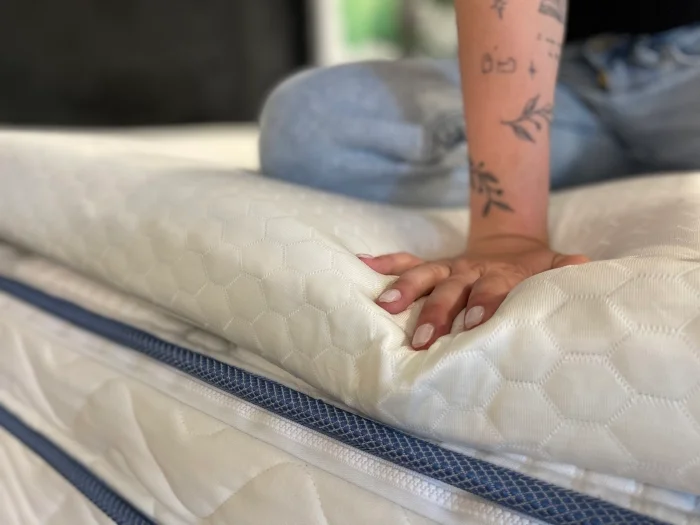
Oftentimes, a too-firm mattress leads to less pressure relief. “Pressure points occur when certain parts of the body dig into the mattress surface,” explains Dr. Raj Dasgupta. “It’s important to have a soft enough mattress to allow for sinkage and cushioning in these areas, which will provide the necessary relief.”
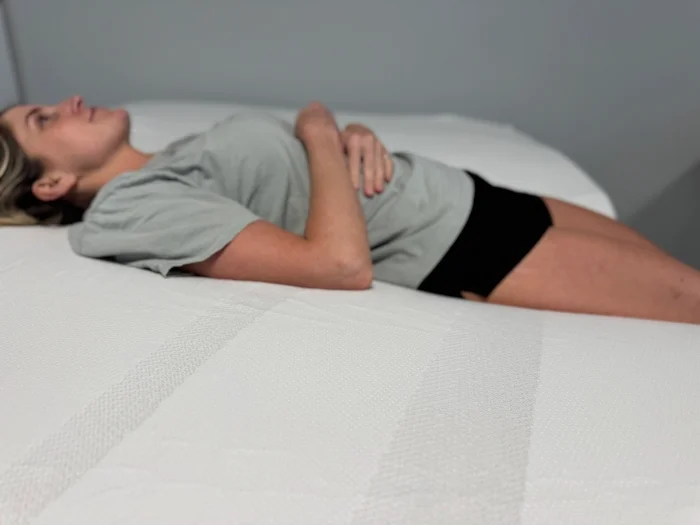
While we don’t have an official pressure-relief rating for toppers like we do for mattresses, it’s at the forefront when we’re evaluating a topper’s firmness, support, and feel. Testers judge the topper’s ability to relieve pressure based on their experience. This includes just resting on the topper or sleeping on their back or side. These are the two positions that require the most pressure relief, specifically around the lower back, hips, and shoulders.
We’ve found that softer toppers, such as memory foam and Talalay latex, are generally excellent at pressure relief. Many of the toppers on this list contain some combination of these materials and unsurprisingly, performed well in this category.
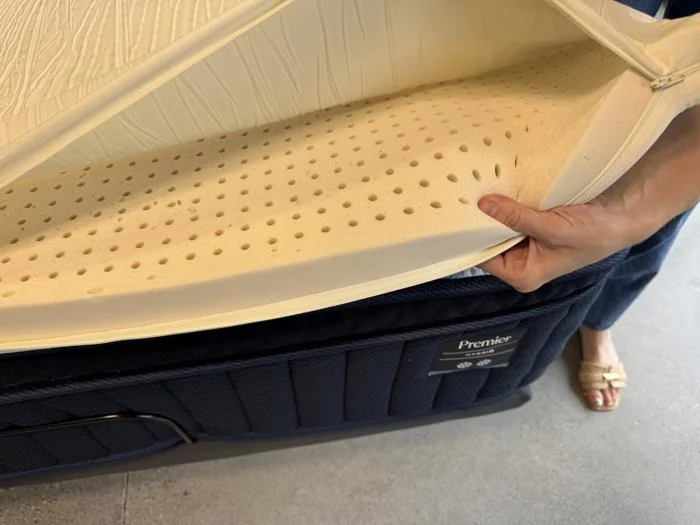
Since you’re likely buying a mattress topper to avoid replacing your current mattress, you’ll want it to last long enough until you’re ready for a new bed. A topper’s durability is largely dependent on its construction. We want to see high-quality materials like high-density foam and natural latex, also arranged in an effective manner.
You can treat our materials rating as a metric of how well-made a topper is. After trying out the topper and inspecting every detail of its construction, our testers assign it a score out of 5. All of the toppers on this list earned at least 4/5 for materials, a marker of their quality and durability.
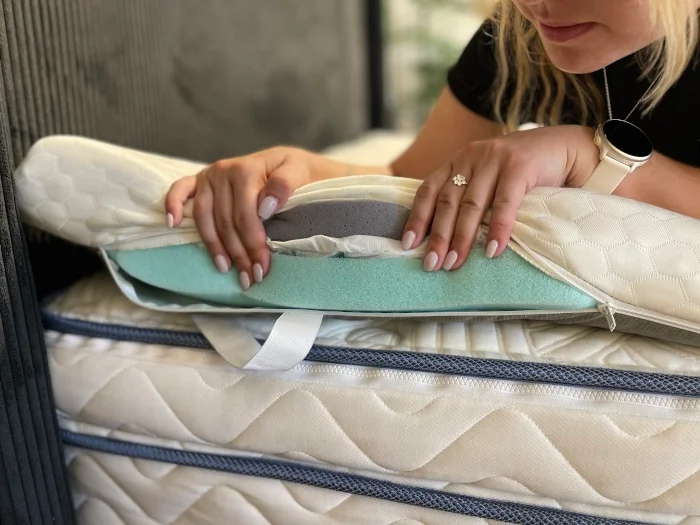
Our team of Certified Sleep Science Coaches selected the best mattress toppers by looking for top performers in the categories above: softness, pressure relief, and durability.
But our full process involves testing several aspects of a mattress topper’s performance, including cooling, responsiveness, and more. We evaluate and score these factors using specialized technology as well as firsthand accounts of how a topper feels to testers with different body types.
Once we have all those scores, we calculate the overall score using a weighted formula. This overall score is a good indicator of a mattress topper’s general quality, and is always a number out of 5.
As we decide which toppers to feature on any roundup, we only include those with an overall score of 3.5 out of 5 or higher. Even if a topper does certain things well, we won’t point you towards it if it falls below this baseline.
- 500+ mattresses and 100+ sleep accessories tested in person
- 30+ data points collected for each bed
- Certified Sleep Science Coaches on staff
- Expert input from our Chief Medical Advisor Dr. Raj Dasgupta (MD, FACP, FCCP, FAASM) and our Chief Medical Product Tester Dr. Hannah Habeeb (DPT)
- 40,000+ readers who bought a new bed based on our recommendations
Learn more about Mattress Clarity.
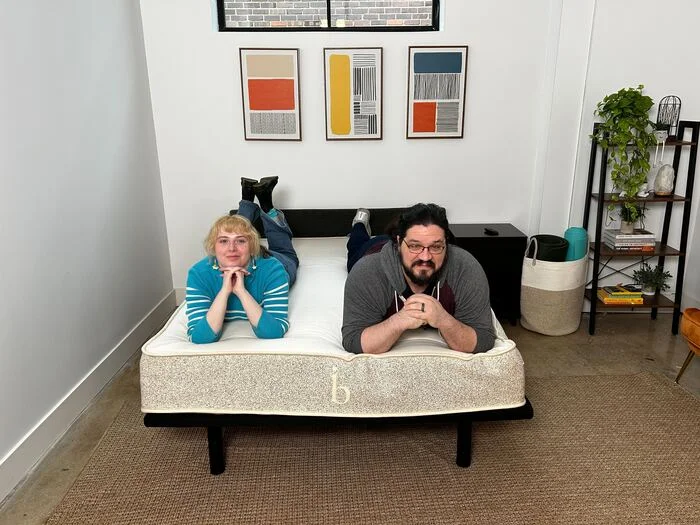
Read about our testing experience with each of the mattress toppers on our list below.
Saatva Graphite Memory Foam Mattress Topper – Best Soft Mattress Topper Overall
Saatva Graphite Memory Foam Mattress Topper
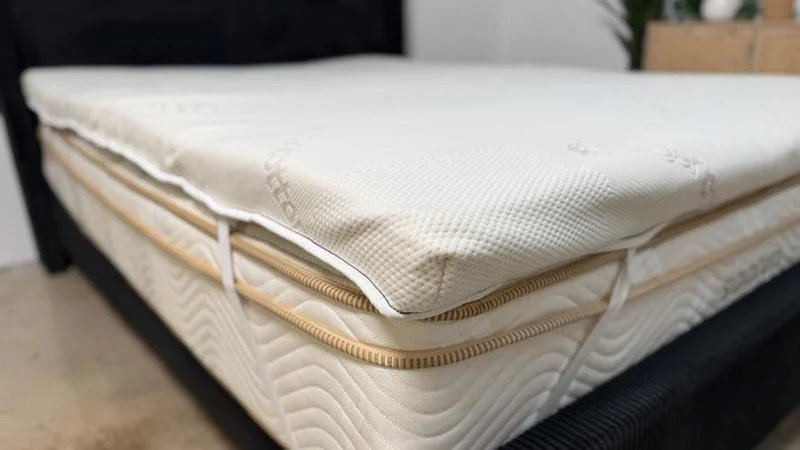
The Saatva Graphite Memory Foam Mattress Topper is a quick and affordable way to breathe life into an old mattress. It is made from durable, high-quality materials that can provide additional support for your current bed.
Mattress Clarity Score
4.1 / 5
Saatva is a favorite here at Mattress Clarity, known for its high-end mattresses and equally luxurious sleep products. The brand’s Graphite Memory Foam Mattress Topper is one of the best if you’re looking for a soft yet supportive sleep surface. This topper offers deep cushioning and pressure relief, plus that iconic slow-moving, contouring feel that foam fans love. Its dense and durable construction ultimately earned a perfect 5/5 in our materials evaluation.
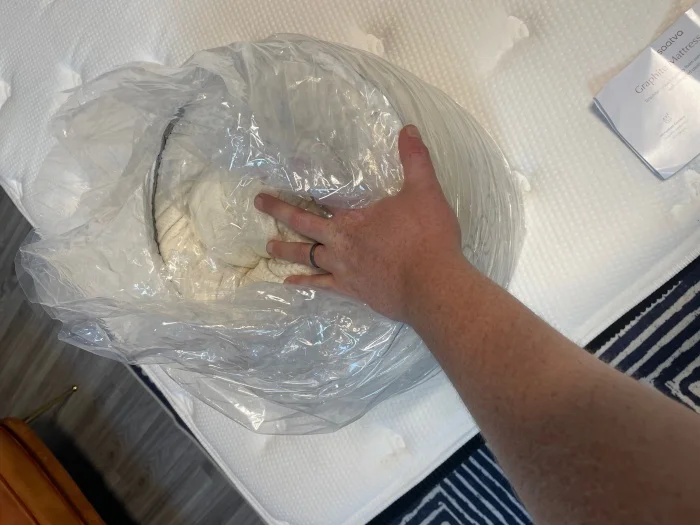
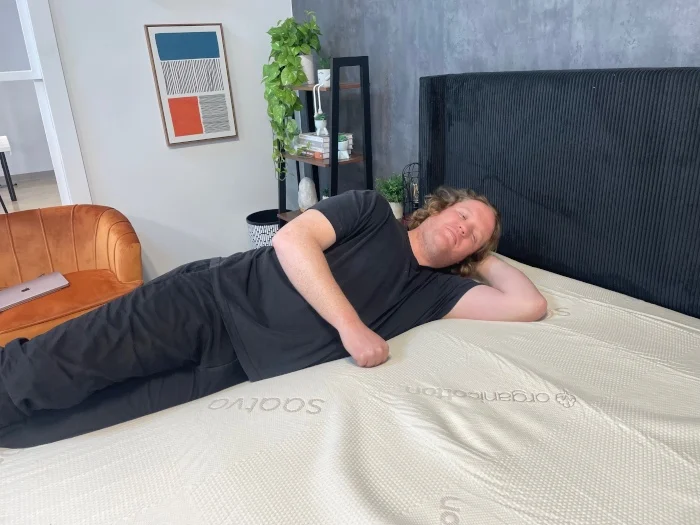
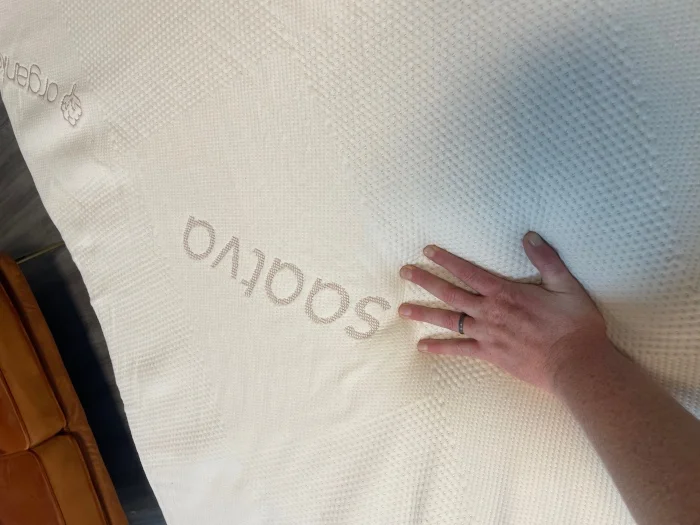
Most soft toppers will have you sinking right through, potentially bottoming out on the firm mattress below. That isn’t the case here. This topper gives “good plush support,” per our expert tester, and a “true memory foam feel.” He gave it a firmness rating of 6/10 to 6.5/10, recommending it for back and side sleepers who need a little boost and extra contouring.
This topper consists of two layers, a graphite-infused memory foam layer and a firmer polyfoam layer, and is wrapped up in a super-soft organic cotton cover. Graphite is a fiber renowned for its thermal conductivity, which balances out the foam’s tendency to trap heat.
Our tester noted that the mattress offered “pretty good” temperature regulation for memory foam. “The topper did warm up a bit beneath me,” he explained, “but it wasn’t enough to feel overheated or stifling.” He also found the cotton cover added some nice breathability, though it wasn’t cool to the touch.
Our tester was also surprised by the topper’s responsiveness, even with its doughy surface. “It’s still memory foam, so don’t expect a lot of bounce,” he said. “But when I was changing positions or getting in and out of the bed, it sprang back pretty quickly into its original shape.” This is good news for combination sleepers and sexually active couples.
However, this responsiveness seemed to prove an issue for motion isolation. This is an area where memory foam often excels, as the material is perfect for absorbing movement before it can travel across the mattress surface.
But our tester called the motion transfer “just okay” for this topper after another tester hopped in alongside him. “I felt more movement than I expected, especially since this is a pretty soft foam topper,” he said. Though he didn’t think it was extreme, couples that include a light sleeper might prefer the Bear Pro Mattress Topper, which scored a perfect 5/5 in our motion isolation test.
The Saatva Graphite Memory Foam Topper retails for about $305 for a queen-size. Our tester called this “good value, adding that “the quality justifies the expense.” You also get a generous 180-night sleep trial with this topper, and I have nothing but good things to say about Saatva’s customer service. If you decide to keep this topper, it’s further backed by a 1-year limited warranty.
Read more in our full Saatva Graphite Memory Foam mattress topper review.
Mattress Clarity Test Results: Saatva Graphite Memory Foam Mattress Topper
Nectar Softer Mattress Topper – Best Affordable Soft Mattress Topper
Nectar Soft Mattress Topper
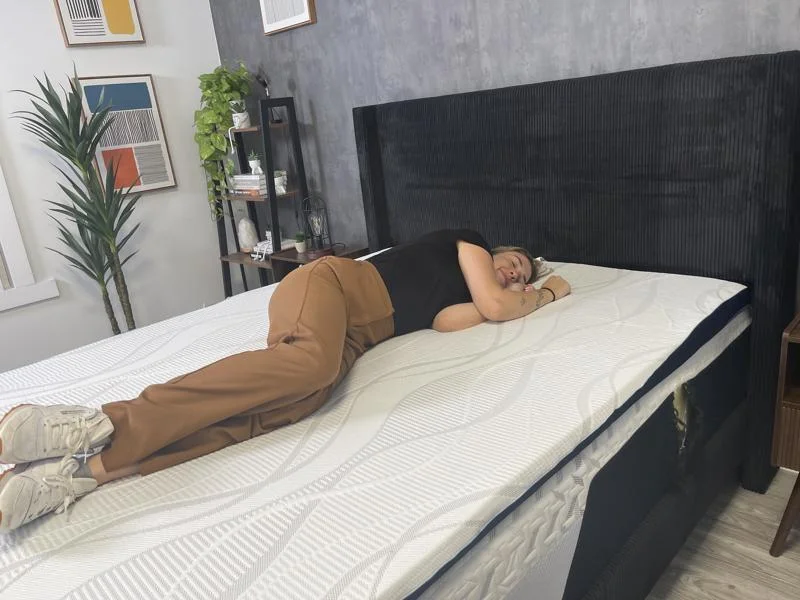
The Nectar Mattress Topper is available in soft and firm variations, both of which should provide a traditional memory foam feel, plus temperature regulation from its cooling cover.
Mattress Clarity Score
4.2 / 5
Trying to balance affordability with quality in a new soft mattress topper? Look no further than Nectar’s Softer Mattress Topper with Cooling Gel Memory Foam. As the lengthy name implies, this 2” topper offers a plush, contouring foam feel and is infused with gel to help keep temperatures low.
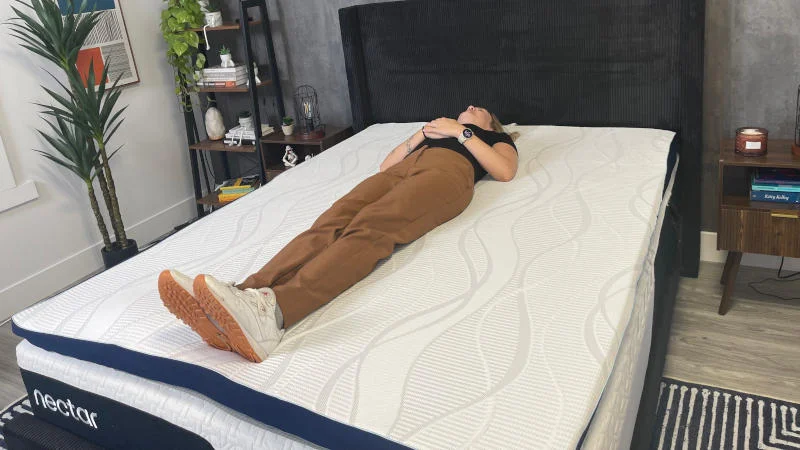
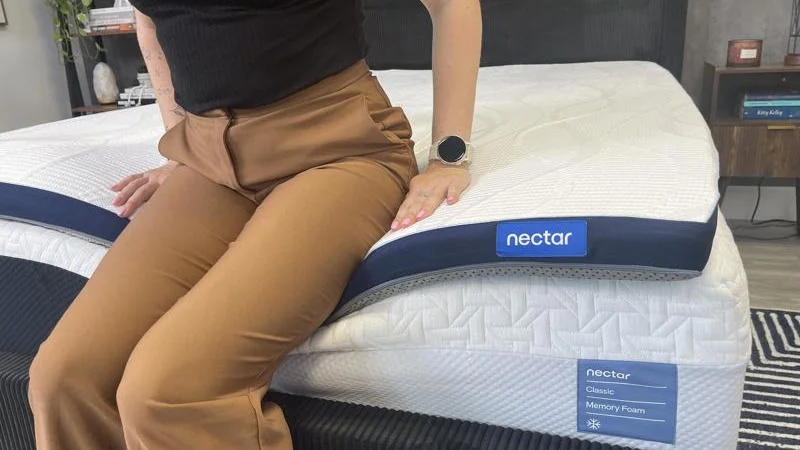
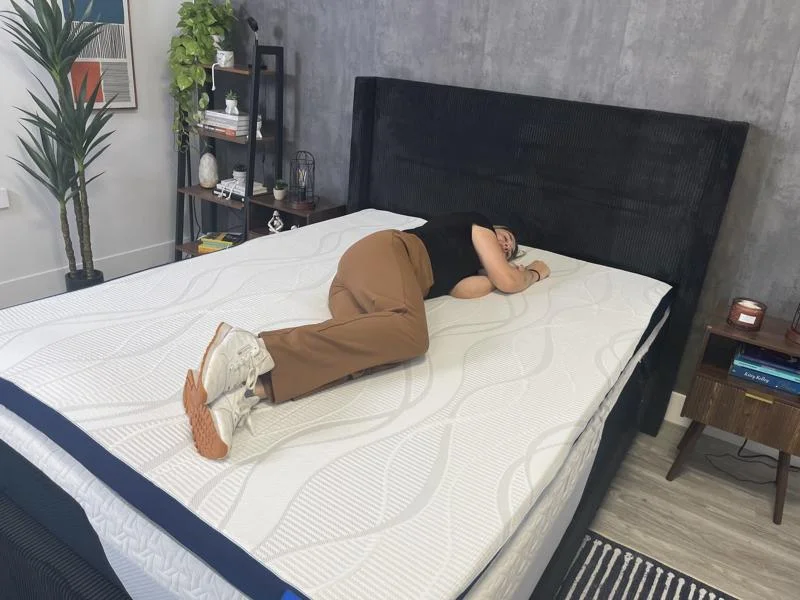
But at just $199 for a queen-size topper, it’s a great deal. Our expert tester awarded it a 4.5/5 for overall value, plus high marks for materials, cooling, and motion transfer.
At a 4/5 on our firmness scale, this might be one of the softest toppers we’ve tested. Our expert tester said that she sank right into this topper as soon as she rested on it. “You’re definitely cocooned by the foam,” she said. “It’s super-soft and comfy-cozy, perfect for dealing with a too-firm mattress.”
The true memory foam feel of this topper gave it a leg up in our couples’ test. Our tester tried out both the firm and soft versions of this topper and saw a significant difference in how much motion the softer model absorbed. “I barely noticed my fellow tester moving around beside me,” she said. “I think the only movement came from the bed frame beneath us, but even that was minimal. This is definitely the better option for light sleepers.”
Even with its slow, doughy feel, our tester was able to move around on the topper’s surface with relative ease. “You sink in a bit, but when I pressed my hand into the surface, I thought it quickly snapped back to the original shape,” she explained. “I was also able to adjust positions without much effort.” Combination sleepers who like a soft, foam feel should be relatively happy with this responsiveness.
Though the Nectar topper includes cooling gel in its construction, we still thought it left a little to be desired for sleepers who run hot. Our tester recorded a 9-degree increase in surface temperature after lying on the topper for a few minutes, which is fairly high.
Still, she called the topper “cool to the touch.” She added, “The softer topper was definitely a bit warmer than the firm one, but I still wouldn’t call it noticeably warm.” But if you’re a hot sleeper looking for more effective cooling, you might like the ViscoSoft Active Cooling Copper Topper.
As I mentioned, the Nectar Softer Topper retails for just $199 for a queen, making it the most affordable option on this list. I think it’s well worth the investment and should last you a couple of years without incident. Nectar also gives you 30 nights to try the topper for yourself, along with a 1-year warranty.
Mattress Clarity Test Results: Nectar Softer Mattress Topper
Nolah Mattress Topper – Best Soft Mattress Topper for Side Sleepers
Nolah Mattress Topper
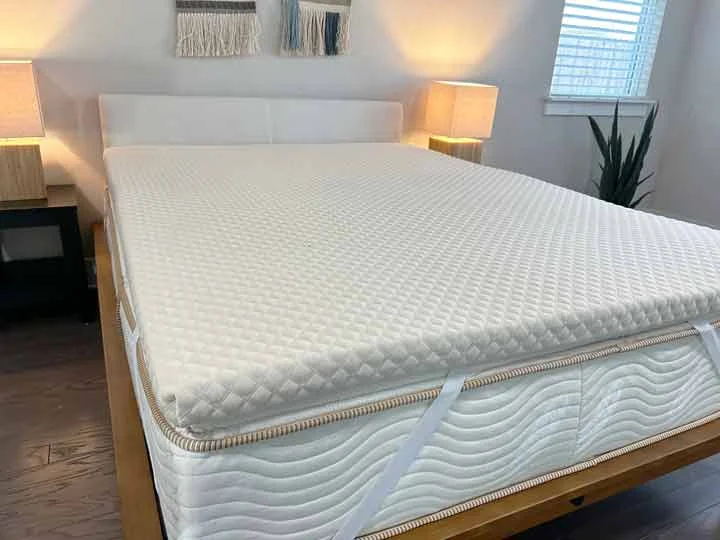
AirFoam™ topper offering plush softness and enhanced contouring.
Mattress Clarity Score
4.3 / 5
Side sleepers and soft mattress toppers are usually a match made in heaven. These sleepers require contouring around their hips and shoulders, and a too-firm mattress can compromise this necessary pressure relief. The Nolah Mattress Topper is one of the best for achieving just that.
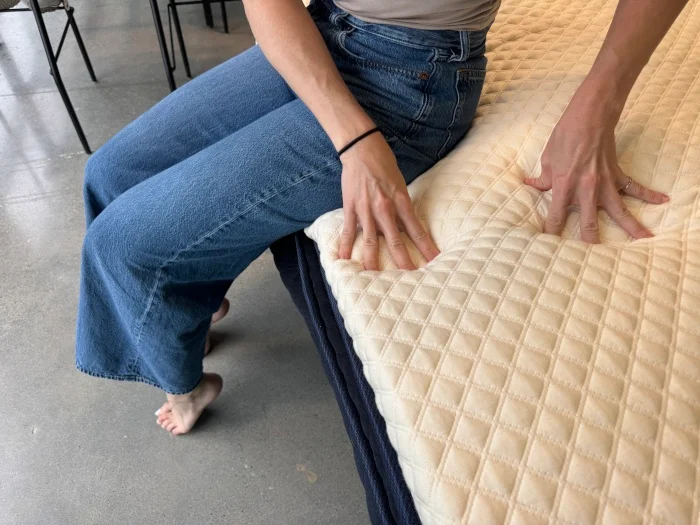
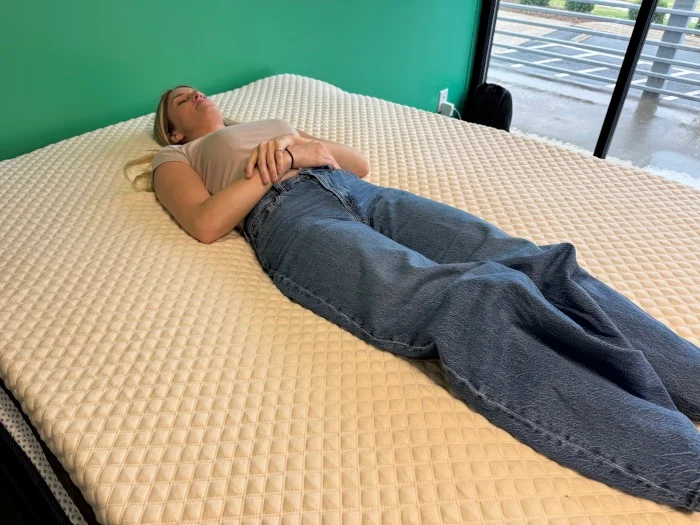
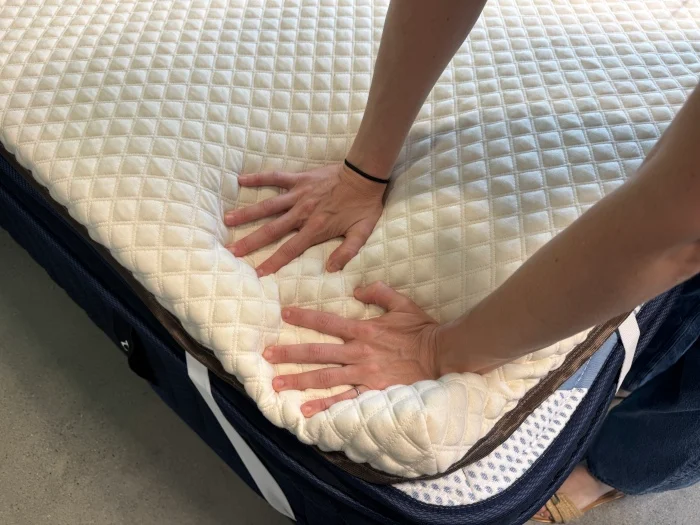
This topper earned a 5/5 for both materials and motion isolation after my colleague Kenny Timper gave it a try. After testing, he heartily recommended it for side sleepers who need “extra plushness on top of their existing mattress.”
The Nolah topper is made up of the same dense, plush foam as the brand’s luxurious Nolah Evolution mattress. This gives it not only a squishy, spongy feel but also makes it thick and heavy. Kenny was impressed by the quality of construction, including the organic cotton cover, which added a cozy feel to the topper.
He also enjoyed the topper in the side-sleeping position. “It’s giving me the extra cushioning I need around the hips and shoulders,” he said. “Even on a super-firm mattress, I think it could make the difference that these sleepers need to sleep comfortably.” He rated it at a 5/10 on our firmness scale, which is quite low and therefore quite soft.
The soft foams in this topper also worked overtime to absorb motion. Kenny had tried out a latex topper before hopping onto this one, and the difference was like night and day. “I could feel my fellow tester vaguely moving around, but there wasn’t any rippling or bouncing,” he said. “Light sleepers who are dealing with a restless partner should get great motion isolation with this topper.”
“This isn’t really a cooling topper, but it does have some breathable elements,” Kenny said after performing our temperature regulation test. “It feels like it’s giving me a nice warm hug,” he thought. “With some cooling sheets, you likely wouldn’t notice any heat buildup.” But since the topper wasn’t exactly advertised as super-cool, he had little to complain about.
What Kenny did notice could be a drawback was the topper’s lack of responsiveness. “I wouldn’t say I feel totally stuck in this topper, but you definitely need to put in the effort to move around,” he explained. “It’s not for combination sleepers who like a bouncier sleep surface.” If that sounds like you, you might prefer the Avocado Eco Organic Topper.
If you are interested in trying out the Nolah Mattress Topper, a queen-size will run you about $292. You’ll have a 30-day return policy if anything doesn’t work out. After that, you’re covered by Nolah’s generous 10-year warranty for mattress toppers.
Read more in our full Nolah Mattress Topper Review.
Mattress Clarity Test Results: Nolah Mattress Topper
Brooklyn Bedding CopperFlex 201 Topper – Best Soft Memory Foam Mattress Topper
CopperFlex 201 Topper
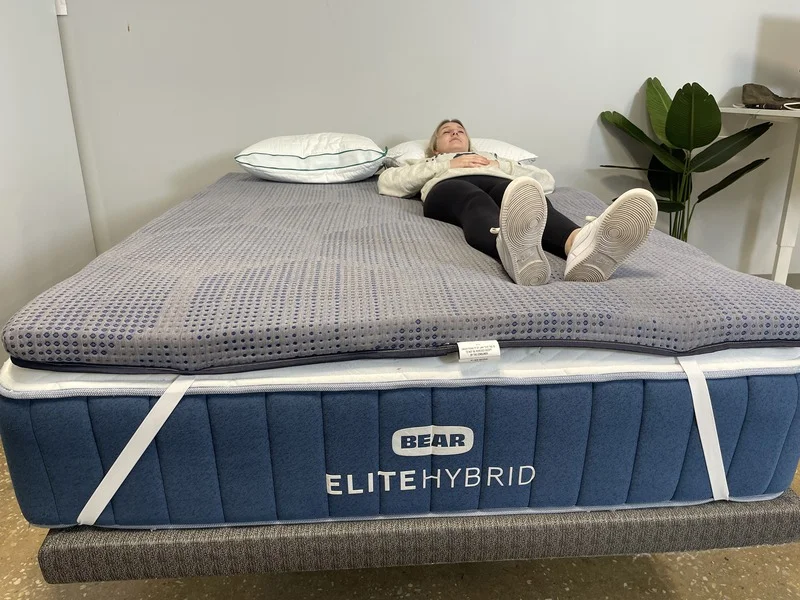
This 2-inch copper-infused memory foam topper provides extra cooling and pressure relief to your existing mattress.
Mattress Clarity Score
4.0 / 5
Memory foam mattress toppers are a great choice if you’re looking to soften up a firm bed. The material’s plush, doughy feel provides excellent cushioning. If you’re looking for such a topper, let me direct your attention to the Brooklyn Bedding CopperFlex 201 Topper.
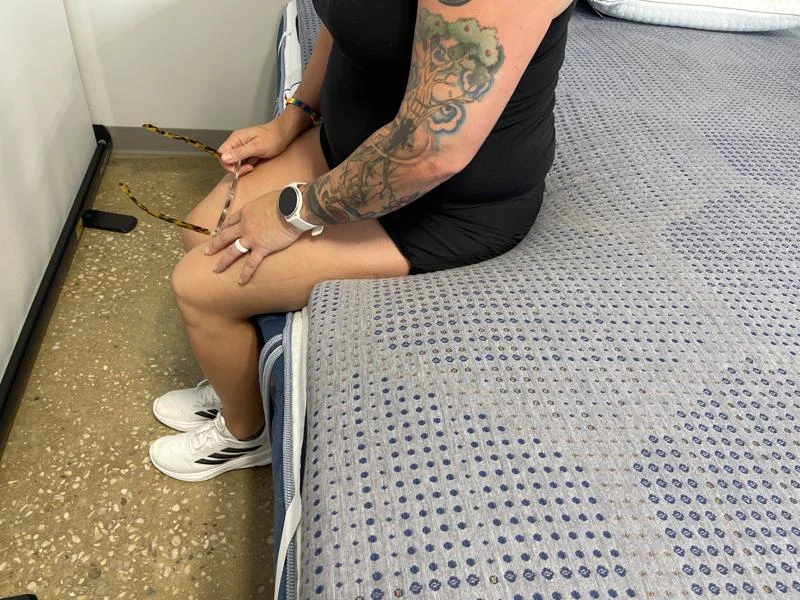
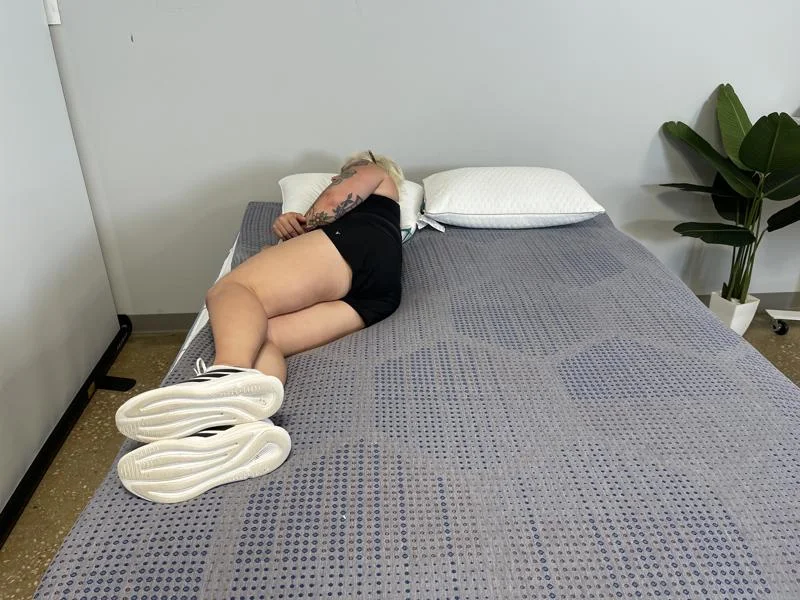
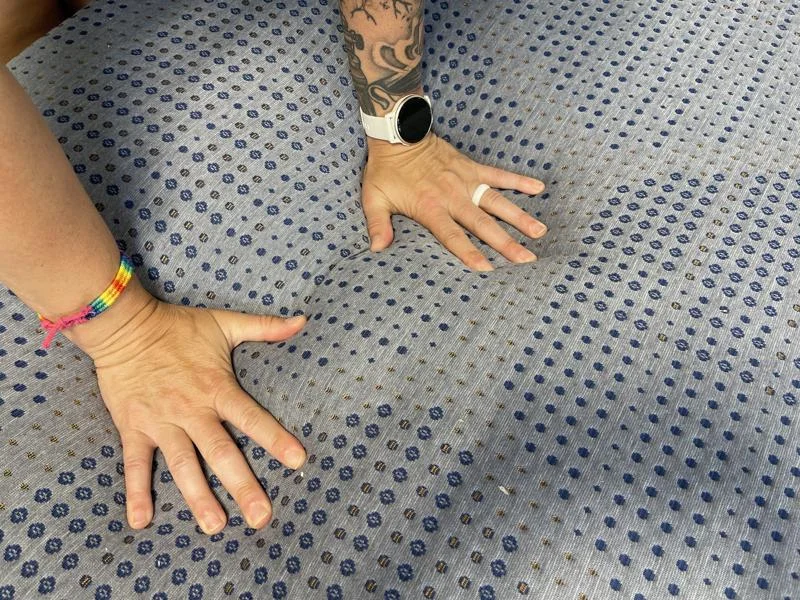
This is a 2” memory foam topper with a quilted top and copper-infused foam for breathability, moisture-wicking, and plush comfort. Alongside a respectable cooling score, my colleague Sosha Lewis awarded it high marks for its construction (4.5/5), motion isolation (4/5), and responsiveness (4/5).
Sosha rated the Copperflex topper’s firmness at 5.5/10, noting it still offered support despite its super-soft feel. “There’s a lot of deep contouring from this topper, but I didn’t sink in too far, even with its 2” height,” she explained. “I think this topper could soften a firm bed and even provide extra support to a too-soft bed, if necessary.”
Sosha also thought the topper isolated motion well despite it being a bit thinner than other toppers she’d tested. “This topper absorbs motion very well. When my fellow tester and I performed the couples test, I could sense her presence, but not the specifics of how she was moving,” she said. “It wasn’t allowing her movements to travel to my side of the bed.” Light sleepers who share the bed with a rowdy partner should be able to rest without interruption on this topper.
Despite its motion absorption, the Copperflex topper won’t trap you in its cushy layers. “This topper may be made of foam, but it’s surprisingly easy to move around on,” Sosha explained. “It springs right back into shape when you press down on it.” She further recommended it for combination sleepers and sexually active couples because you’re unlikely to feel “stuck” in its surface.
The Copperflex gets its name from the copper infusions in its foam, which are meant to provide natural cooling and antibacterial properties. While Sosha did get favorable results in our thermal gun test (she recorded a 4.9-degree increase in surface temperature after five minutes of resting on it), she thought the topper “didn’t feel cool at all.” She added, “It was almost cozy, more like flannel. But I didn’t feel like I was overheating while lying there.”
Sosha wasn’t too concerned with the topper’s cooling capability, but she did raise an eyebrow at the price. A queen-size topper will run you about $465 regularly, with sales bringing it down to $350 or $325. “The discount price is a bit more reasonable, but for full rice, you could buy a new CopperFlex mattress,” she said.
If you do want to take this topper for a spin, it comes with a 30-day return period and a 1-year warranty. Looking for something more affordable? Check out the Nectar Mattress Topper.
Mattress Clarity Test Results: Brooklyn Bedding CopperFlex 201 Topper
Bear Pro Mattress Topper – Best Soft Mattress Topper for Couples
Bear Pro Mattress Topper
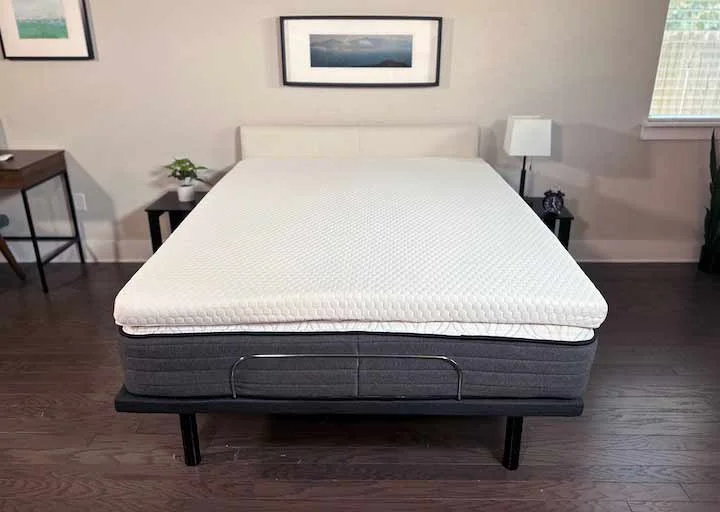
Hybrid cooling topper combining graphite memory foam with perforated foam.
Mattress Clarity Score
4 / 5
If you’re a super-light sleeper like me, it’s important that your sleep remains undisturbed. But sometimes, if you share the bed with a restless sleeper, you feel all of their movements, even from your side of the bed. This means your mattress doesn’t have good motion isolation.
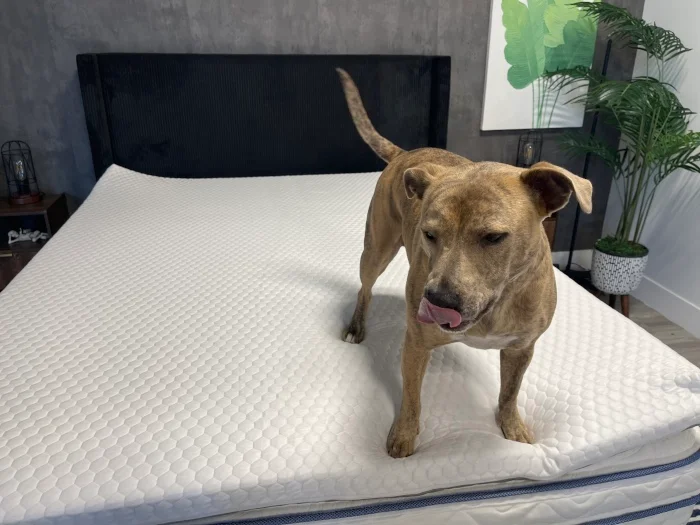
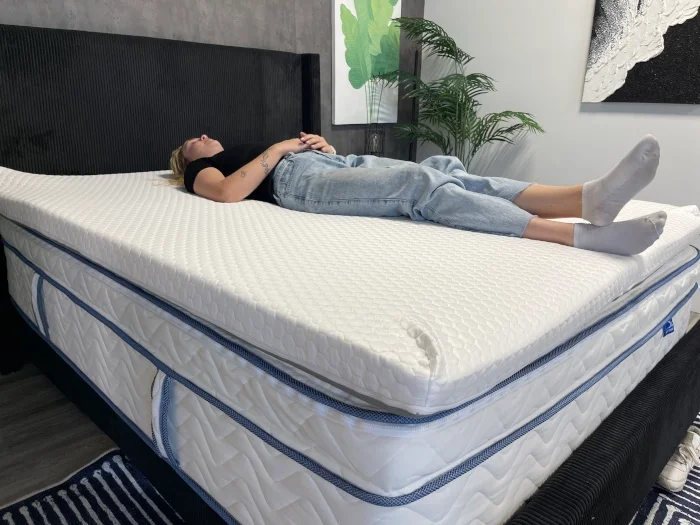
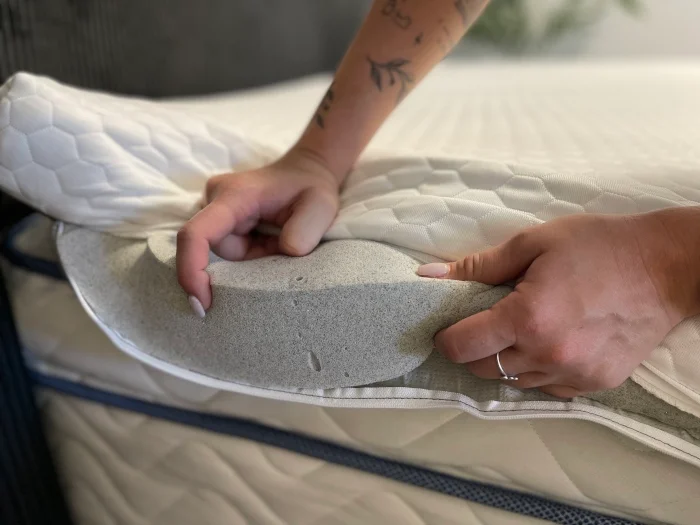
The good news is that many soft mattress toppers—like the Bear Pro topper—are also great at absorbing motion. The plush, dense memory foam in this topper stifles movement before it can travel across the surface, earning it a perfect 5/5 motion-isolation score. This makes it a great soft topper for couples.
This topper is a slab of thick, high-density memory foam that’s also infused with copper for added cooling. Our expert tester noted that the topper felt “heavy and durable,” despite its straightforward design. She also rated its firmness at a 6/10, between medium and soft. “I sink in just enough, but the overall feel is actually more supportive,” she added. She also praised its ability to keep her spine aligned, which may make it a good mattress topper for back pain.
But where it really shines is in motion isolation. Our tester got on top of this topper with another tester to see how it would fare for couples, and she was pleasantly surprised with the results. “I feel little-to-no movement when someone is on the other side of the topper,” she explained. “There’s only some slight shifting from the cover, but the dense foam prevents me from feeling my partner’s movements. And once we’re both lying down, it feels like I’m alone.”
Even with this exceptional motion isolation, the topper still has a bit of responsiveness, which should help with ease of movement. “I don’t feel stuck when trying to switch positions,” our tester said. “While it isn’t super bouncy, I don’t feel impeded by the topper. It bounces back into place when I press down on it and doesn’t leave a noticeable impression when I lie down.”
Aside from copper infusions, the Bear Pro topper doesn’t have any dedicated cooling elements to detract from the foam’s heat-trapping tendency. Our tester noted that she could feel the topper warming up beneath her, but never in a way that felt too hot. “I think someone who sleeps hot would get uncomfortable throughout the night, but it wasn’t terrible—more like a cozy blanket than a sweaty towel,” she explained. If you’re looking for something cooler, I recommend the ViscoSoft Active Cooling Copper Topper.
The Bear Pro Topper typically retails for $345 for a queen-size, but coupons can bring this number as low as $225. Due to the topper’s simple (but effective) design, our tester recommended waiting for a sale. Bear does give you a 30-day sleep trial and a 2-year warranty with this topper.
Read more in our full Bear Pro Mattress Topper review.
Mattress Clarity Test Results: Bear Pro Mattress Topper
Viscosoft Active Cooling Copper Mattress Topper – Best Soft Cooling Mattress Topper
ViscoSoft Active Cooling Copper Topper
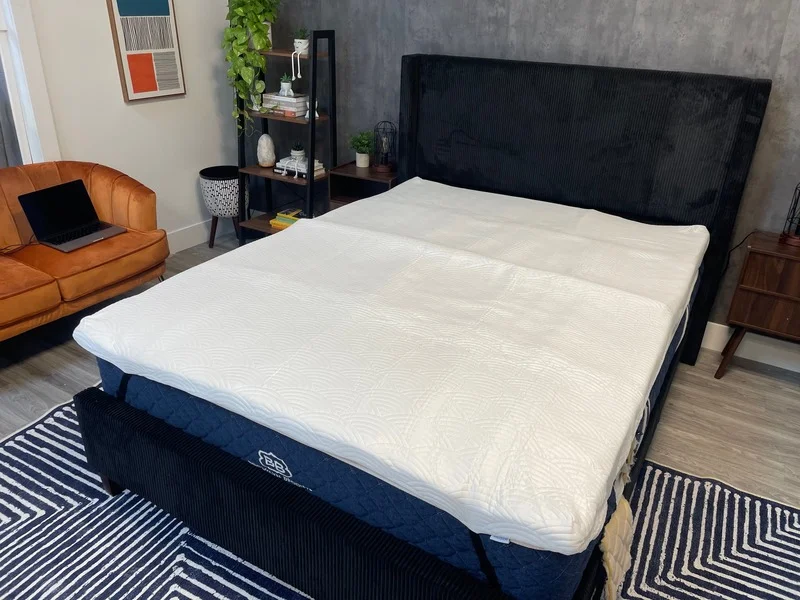
The ViscoSoft Active Cooling Copper Topper is a 4-inch memory foam mattress topper that’s infused with copper to provide a crisper, fresher sleep surface.
Mattress Clarity Score
4.5 / 5
Most soft mattress toppers are made of memory foam, which is great for cushioning but not the most breathable material. But if you love the super-plush feel, it can be difficult to give up. You don’t have to suffer through night sweats if you invest in a soft but cooling mattress topper like the ViscoSoft Active Cooling Copper mattress topper.
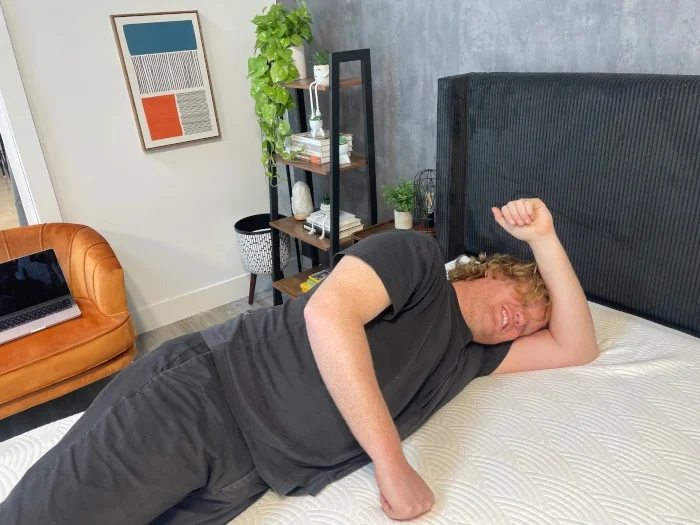
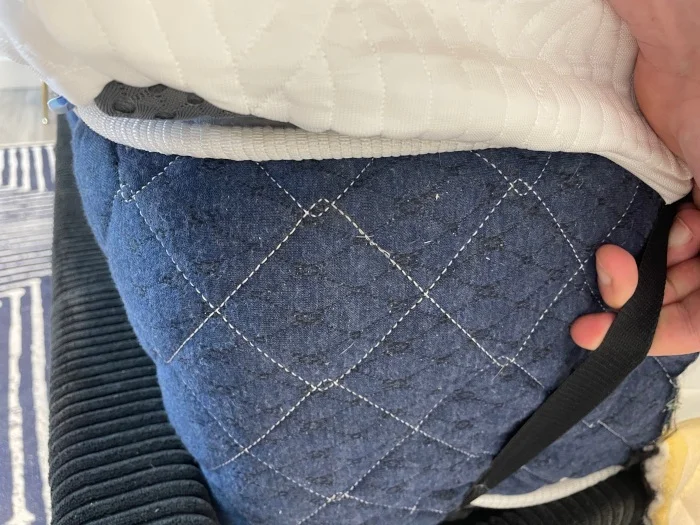
This topper earned an impressive 4.5/5 cooling score, thanks to the thermal-repelling fibers in the cover and copper-infused foam layers. Our tester also awarded it a perfect 5/5 for its materials and a 4.5/5 for support.
At 4” thick, the ViscoSoft topper is one of the tallest mattress toppers we’ve encountered. It includes multiple layers for both comfort and support, sort of like a miniature foam mattress. Our tester noticed its dense, lofty construction also gave a lot of support.
“I’m a heavyweight sleeper, and this has a lot of sink, but it’s still super plush and supportive at the same time,” he said. “Sleepers who are looking to soften up a firmer bed will really enjoy the pressure relief this gives.” He rated the topper’s firmness at 5.5/10, a full point less than typical medium-firm.
With “Active Cooling” in its name, we wanted to put this temperature regulation to the test. Our tester was initially wary because of the topper’s all-foam construction, but the results spoke for themselves. “The surface temperature only rose 4 degrees after lying on it for 5 minutes,” he explained. “I was on it for 20 more minutes and didn’t notice any distinct heating, so I’d heartily recommend it for hot sleepers.”
The Viscosoft topper should also be a good pick for couples. With another person on the topper, our tester didn’t feel too disturbed. “I could feel that my partner was moving, but I couldn’t tell you what they were doing,” he said. Light sleepers should enjoy a peaceful night’s sleep with the topper’s ability to absorb motion from a rowdy partner.
Our tester only noticed that the topper’s lack of bounce could prove an issue for some sleepers. “It’s a true memory foam feel, so it’s not very responsive,” he explained. “It’s a true memory foam feel, so you’ll likely feel a little ‘in’ the bed.” This means you’ll encounter resistance when trying to move around, like when you try to roll onto your stomach. If you’re a combination sleeper looking for a more responsive all-foam topper, check out the Brooklyn Bedding Copperflex 201 Mattress Topper.
The ViscoSoft Active Cooling Topper is “high quality and high price,” per our tester. It usually retails for $400, but frequent sales bring the price down to about $300. Considering this is a gargantuan topper, I’d call it a worthy investment. With this topper, you also get a 90-day money-back guarantee, plus a generous 5-year warranty.
Mattress Clarity Test Results: Viscosoft Active Cooling Copper Mattress Topper
Avocado Eco Organic Topper – Best Soft Latex Mattress Topper
Avocado Green Mattress Topper
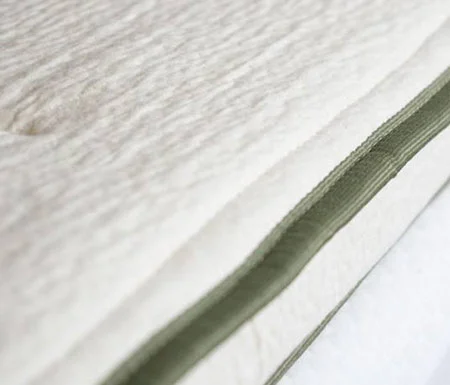
The Avocado is an all-natural mattress topper that is a good option for those who want something comfortable and eco-friendly.
Mattress Clarity Score
4.1 / 5
Latex is a popular choice among the eco-conscious looking for sustainable sleep. And though latex is known for its supportive feel, it can also be quite soft, as is the case with Avocado’s Eco Organic Topper. I tried out the soft version of this latex topper on my Luxury Firm Saatva Classic, and the difference was immediately noticeable. If you like a plush, springy feel in a heavyweight and durable topper, this is the one for you. I awarded it a number of 4/5 ratings, plus a 5/5 for the materials used.
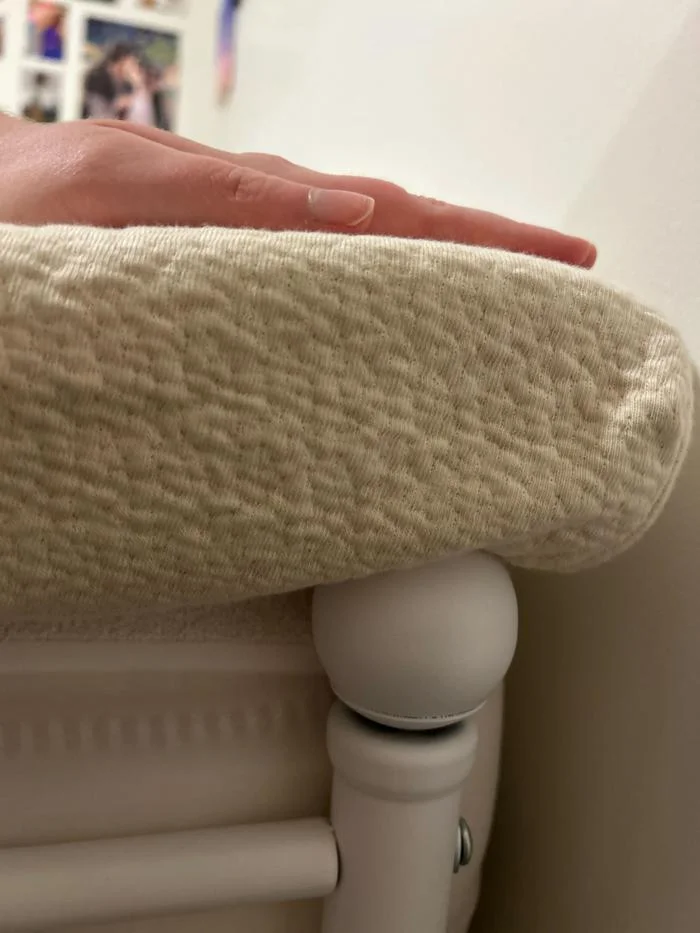
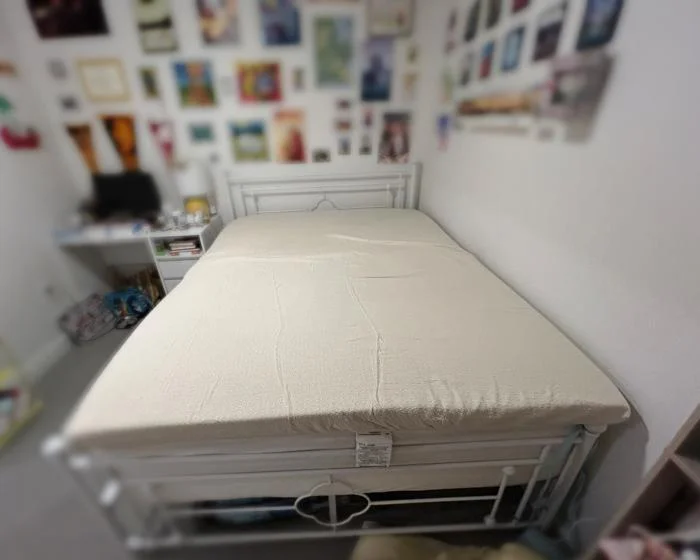
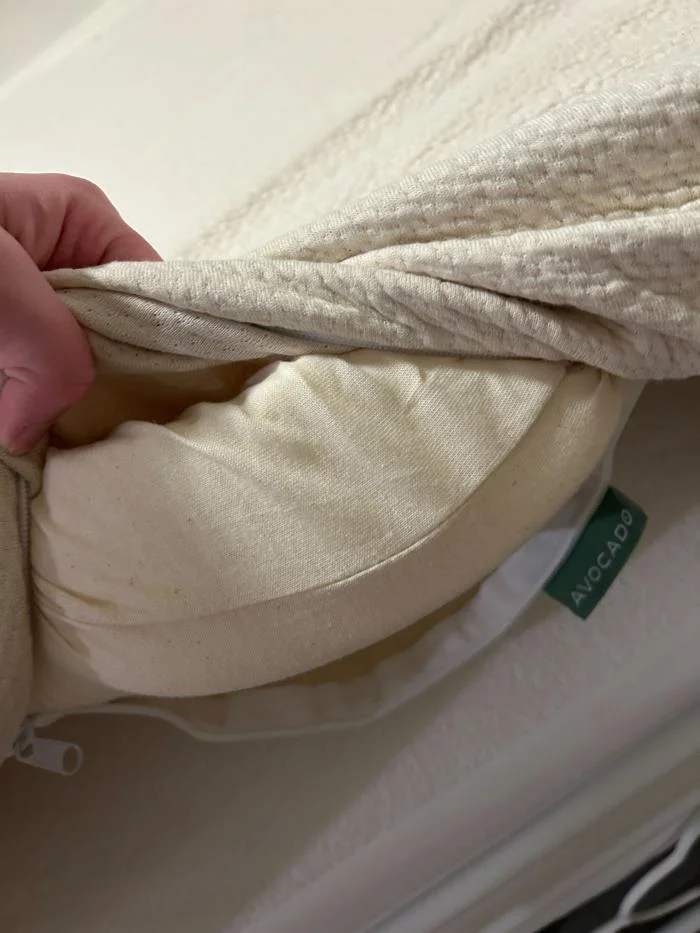
The first thing I noticed about this topper after unboxing (and before, to be quite frank) was its heftiness. Once I tore off the plastic, this 23-lb topper almost knocked me off my feet when it expanded. Lugging it onto my bed was also a workout, but it was all worth it. I think it’s one of the most durable mattress toppers money can buy.
The 3-inch soft model of the Avocado topper is made of organic Talalay latex, a softer iteration of the material compared to the more supportive Dunlop latex. And softer it is indeed—I rated it at 5.5/10 on our firmness scale. You definitely sink into this topper a bit, but not to the point where you feel like your alignment is compromised. It’s very balanced and offers just the right amount of pressure relief.
Even with its soft feel, this topper still had a bit of bounce. It wasn’t as bouncy as other latex products I’ve tried, and dampened the recoil of my Saatva. As a combination sleeper, though, I was more than happy. You’re able to move around with relative ease on the surface of this topper, though it’s less like bouncing on a trampoline and more like you’re a buoy floating on some waves.
I’m also a hot sleeper, and I don’t have much to complain about when it comes to this topper’s cooling ability. While it isn’t cool to the touch, it is wrapped in an organic cotton cover. Latex is also more breathable than memory foam, so I think that’s giving it a leg up here. Folks should find they sleep at a temperature-neutral setting on this bed.
As latex is known for its bounce, I wasn’t surprised that this put a damper on the topper’s ability to absorb motion. I’m a light sleeper, but I sleep alone, so this doesn’t affect me. I definitely find that the denseness of this topper muffled a bit more disturbances than I usually experience on my Saatva.
But considering how lackluster my bed’s motion isolation typically is, I don’t think couples will find it makes that much of a difference on their bed. If this is a priority for you, I recommend a memory foam topper like the Brooklyn Bedding CopperFlex 201.
The soft version of this topper costs a bit more than the other versions, at nearly $500 for a queen-size. But since we’re talking about pure, organic Talalay latex, I’m not mad at the price. If you have the budget, definitely spring for it, as I’m sure this topper will last years. Avocado also offers a 30-night return policy and a 1-year warranty with your purchase.
Find out more in our full Avocado Eco Organic Mattress Topper review.
Mattress Clarity Test Results: Avocado Eco Organic Topper
Latest Updates: We updated this page in February 2026 to reflect re-testing of about 40 different mattress toppers. To ensure this page reflects that, we included only toppers that skewed truly soft in this panel. The new list includes some old favorites, like the Nolah and Bear Pro toppers, but also some new additions, like those from Nectar and Avocado.
Other Mattress Toppers Considered
Still couldn’t find the right mattress topper for you? Here are some other great toppers we’ve tested and reviewed:
- Coop Sleep Goods Retreat Topper – The Retreat mattress topper is made of shredded memory foam stitched and arranged to resemble a pillow-top mattress. Because of its construction, this topper feels very plush. It may not offer the same level of support as a solid memory foam mattress topper, though, so it’s better for folks who want a fluffier feel.
- Brooklyn Bedding Microcoil Topper – This mattress topper has two foam layers sandwiching a thin layer of miniature coils, which give it its name. It creates a balance of pinpoint support and cushioning pressure relief—sort of like a mini-mattress to revitalize a sagging mattress. Unfortunately, this topper has more of a medium-firm feel than a true soft topper. It’s better if you’re looking for extra support rather than extra contouring.
- PlushBeds Latex Mattress Topper – PlushBeds offers this topper in five different firmness options, two of which are soft and medium-soft. With such specific firmness options, you should be able to find the right firmness for you. The latex gives it a buoyant but cushioning feel that should work great for sleepers who like a bouncy bed. While this topper is incredibly durable, it may be out of some people’s budgets. You can also opt for a cotton cover, but this comes at an extra fee, making the topper even more expensive.
What Makes a Great Soft Mattress Topper
The best mattress toppers will indeed be comfortable, but they should also be built to last and provide plenty of pressure relief. Let’s dive deeper into what goes into each of these categories in our testing, evaluation, and ultimate selection process—so you can make an informed decision, too.
Softness
As I’ve mentioned, mattress firmness is rated on a scale of 1 to 10: 1 is the softest and 10 is the firmest. The same is true for mattress toppers, with soft mattress toppers skewing toward the lower end of the scale. We’d call anything less than 6.5 (medium-firm) soft. It’s rare to see a mattress or topper that’s less than a 3 or 4 on the firmness scale; I imagine it would feel almost cloud-like.
“Most sleepers are comfortable on a medium-firm mattress,” says Dr. Raj Dasgupta. “It’s ideal for spinal alignment, support, and pressure relief in most positions. So if your bed is too firm or too soft, you can add a mattress topper to correct it and ideally achieve that firmness.” Particularly dense and soft mattress toppers can lower firmness levels as low as two whole points. So if your bed feels like an 8/10, an extra-plush topper could get it closer to 6.5 or 6.
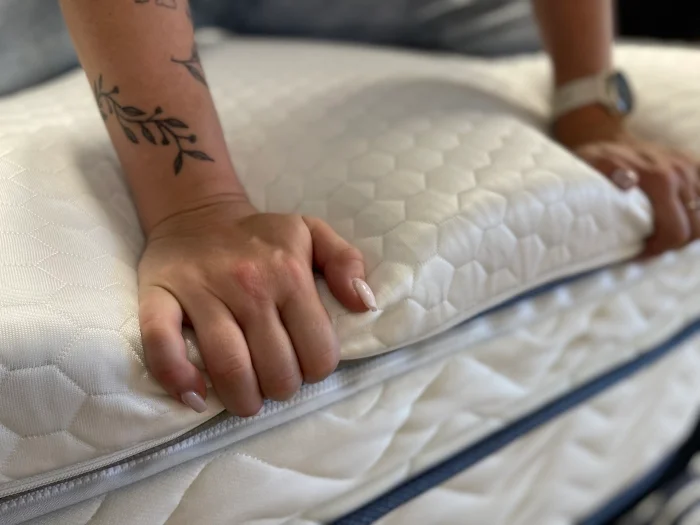
Firmness is subjective from person to person. What feels soft to one person may feel firm to another. Aside from personal preference, this can be an effect of your body type. “Heavyweight sleepers tend to sink deeper, so they may find things are softer than expected,” explains Dr. Dasgupta. “While for lightweight sleepers, they have the opposite problem; since they may not sink in as far, they might call a mattress firmer than expected.”
We take all this into account when assigning a firmness rating to a mattress or topper. Our firmness rating is based on the opinions of multiple testers when available. If not, we’re always conscious of how our experience may differ from someone of another body type.
Pressure Relief
When you lie down on a mattress in certain sleeping positions, you might notice that parts of your body sink farther than others. In some cases, if the surface is too firm and unyielding, you may notice resistance in this area. This is where pressure relief is useful. It takes the pressure off sensitive joints, cradling them to prevent future discomfort or even pain. This also makes pressure relief an important factor for conditions like arthritis.
Softer beds are usually associated with pressure relief because they allow for more sinkage. The same follows for mattress toppers, though it’s not always the case. To judge whether a topper is truly pressure-relieving, we lie down on our side and back. These positions require the most pressure relief around parts of the body that dig into the bed, like the hips and shoulders (side sleeping) or lower back (back sleeping).
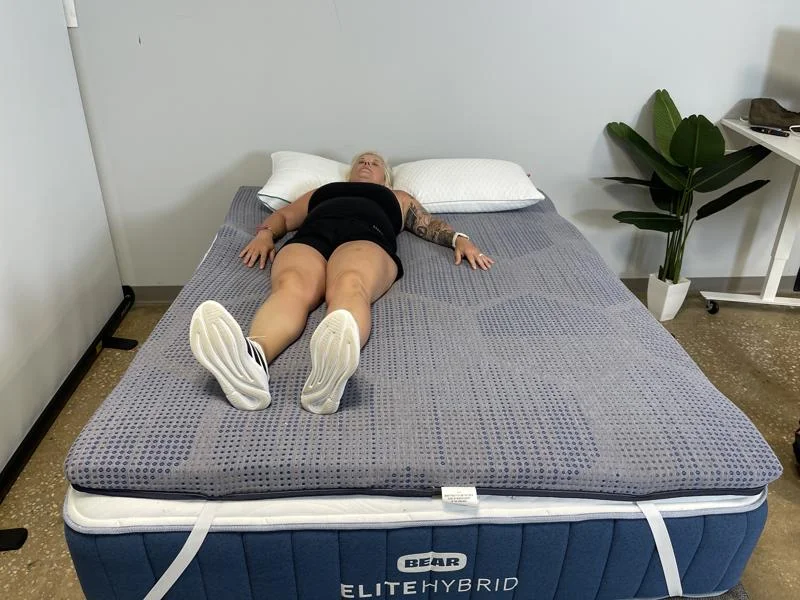
From there, we get a feel for how much pressure is taken off the joints. While we don’t offer an official rating like we do when testing mattresses, we describe it in our overall feel evaluation. By the end of testing, we have an idea of which sleepers will glean the most pressure relief from a certain topper.
It’s important to note that while pressure relief is paramount, it should also be balanced out with support. This is a metric we rate based on how aligned we feel in each sleeping position. A too-soft sleep surface can compromise your support and alignment, causing you to sink too far into your mattress. This might negate any pressure relief benefits. Finding the right balance is key. For soft toppers, the support score is usually lower because of their plushness, but we don’t want it to fall beneath a 3.5/5.
Durability
Most people buy a mattress topper to avoid buying a new mattress, which is understandable considering they can run you thousands of dollars. But even though a topper is cheaper than a new bed, you want it to be worth the investment. A good topper can last you years, but how do you know if a topper is built to last?
A durable mattress topper is one that’s well-constructed with high-quality materials. This means high-density foams, latex, and even coils, where applicable. When we test a mattress topper, we get up close and personal with what’s inside. Since we’ve tested dozens, we also know what feels more durable.
Another factor you can look at is the topper’s thickness. A thicker topper won’t just offer more cushioning, but it’s likely to last longer than a flimsy topper.
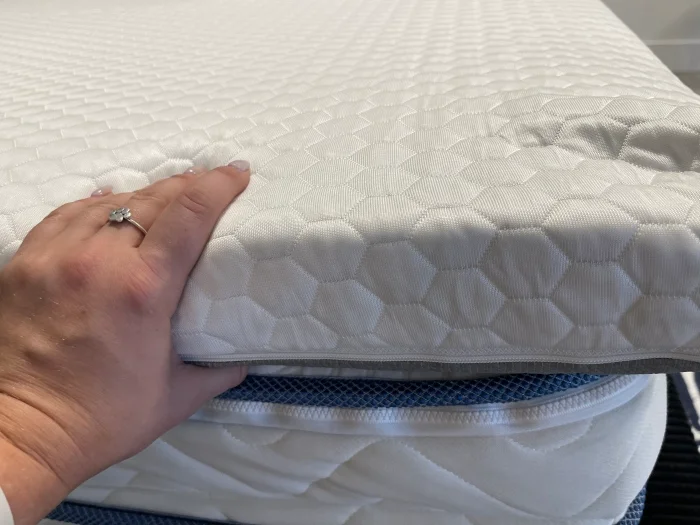
Quality toppers typically range between 2” and 4” tall. Around 3” is usually the sweet spot. When it comes to achieving that perfectly soft feeling on the top of your mattress, opting for a thicker topper is the way to go. If you’ve got an especially firm mattress, thinner toppers might not work out because they simply won’t be enough to change the firmness. Heavier individuals should also look at thicker toppers, because they will likely press too far into thinner toppers.
A final marker you can use for durability is a long warranty. We see warranties as a preview of how long a company expects its product to last. After all, if it’s covered under warranty up until a certain point, it follows that it should last well beyond it. A 1-year warranty is typical for a mattress topper, but I’ve seen warranties as long as 5 or 10 years.
Of course, if you’re worried about relying on company descriptions or reading reviews secondhand, I get it. Thankfully, many toppers come with generous return policies or trial periods. These give you at least a month to try before you buy. If you don’t like the product you receive, you can often get a full refund or exchange.
What Else Is Important When Buying Mattress Toppers?
Beyond ensuring a soft topper is plush and durable, you may still struggle to find one that tickles your fancy. Here are some other considerations that might factor into your final purchase.
Materials
As we’ve mentioned, what a mattress topper is made out of can also influence its firmness. This means that certain materials are associated with softer mattress toppers. They might have other performance characteristics that can appeal to certain sleepers, too.
Memory Foam
Traditional memory foam is typically your best bet for getting the softest of soft. This material usually has a dense, slow-moving feel. When we talk about “slow-moving,” we mean when you press your hand into the foam and it takes a second or two to return to its original shape. This also makes it better at motion isolation, a pro for couples. It means you won’t feel your partner from the other side of the bed, since the foam absorbs any movement before it can travel across the surface.
Other Foam
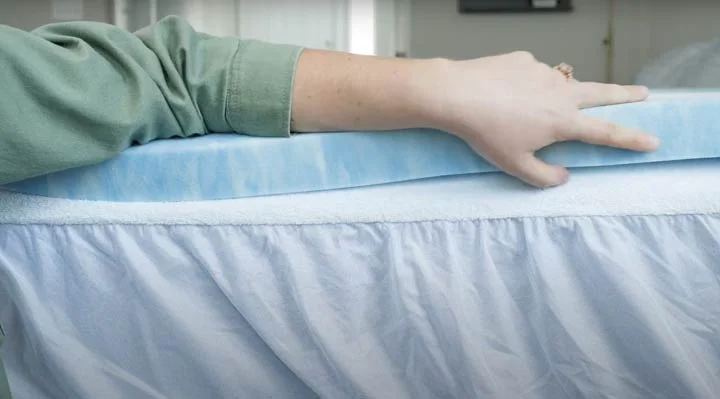
Polyfoam is a type of synthetic foam that’s different from memory foam. These are usually high-density foams that have a firmer feel. Some might be soft enough for a plush mattress topper, but I generally associate them with support. For example, they’re often the primary foam layer in an all-foam mattress, providing a firm foundation.
Both memory foam and other polyfoams are great for cushioning, but they’re not the most breathable. Their dense structure tends to hold onto heat. Hot sleepers may want to opt for a cooler material.
Latex
Latex foam can also be quite soft and cushioning. Some folks find that they don’t sink as well into latex, though, and feel more buoyed on its responsive surface. But in terms of durability, latex lasts much longer than memory foam. Many studies also tout it as more pressure-relieving and breathable than traditional foam.
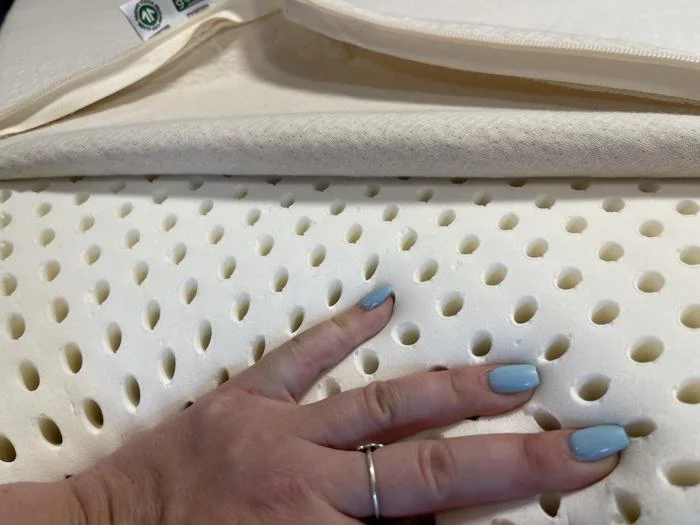
As a natural (and sometimes organic) component, latex often drives up the price of the topper. They aren’t the most budget-friendly picks.
Microcoils
A newer advent in the mattress topper world is microcoils. These are miniature coils that provide pinpoint support, like they would in a regular bed. Since these toppers also contain comfort layers, I often liken them to miniature mattresses. They often provide more responsiveness, thanks to the springs inside.
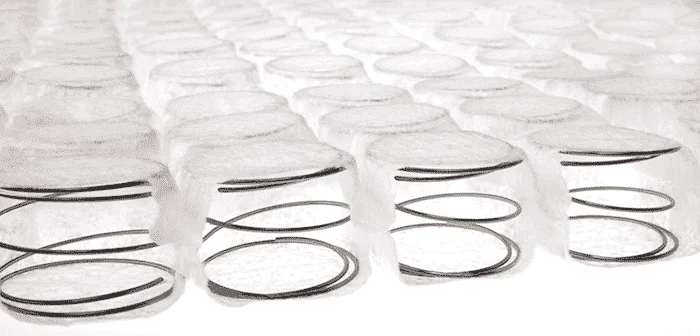
However, we’ve found that microcoil toppers usually skew firm. They’re better for adding more support to a too-soft mattress.
Down and Down Alternative
Down or feather toppers are filled with super-soft feathers, giving beds a fluffy feel. Down alternative toppers provide a similar experience, though without the use of animal products. Hypoallergenic folks might prefer synthetic materials, which can also be more breathable than down’s tendency to insulate.
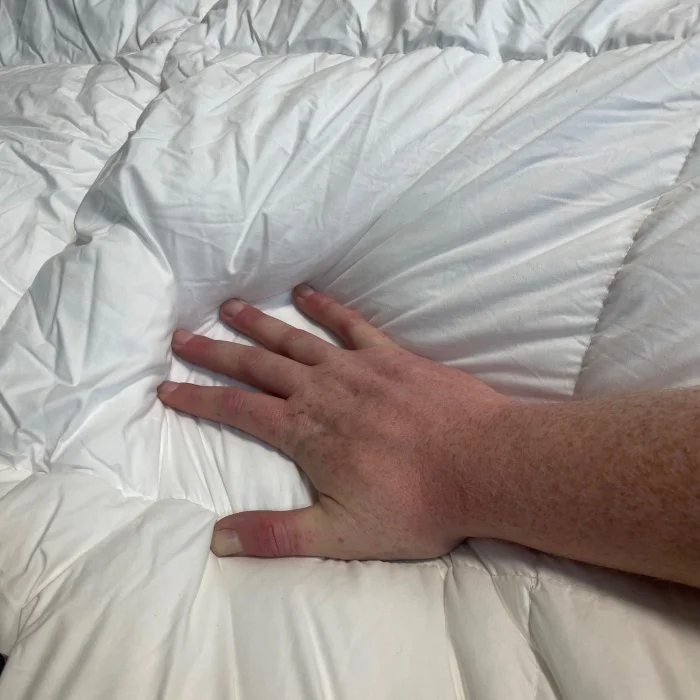
While down and down alternative mattress toppers are soft, they don’t often significantly change the firmness of your mattress. Even at their thickest, you’re likely to sink right through them and still feel the extra-firm bed beneath.
Sleeping Position
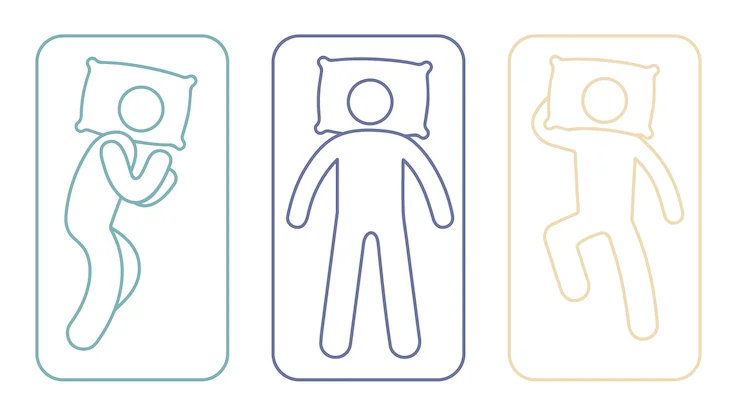
Certain sleeping positions are better suited to softer mattresses than others, so a soft mattress topper may not be the fit for everyone.
Side Sleepers
Side sleepers with a firm mattress probably aren’t getting the pressure relief they need. Sleeping in this position on a too-firm mattress runs the risk of developing shoulder and hip pain. Soft toppers work well for these sleepers because they provide the comfort and pressure relief they need.
Back Sleepers
Back sleepers often do best on a medium to medium-firm mattress. You want your upper and lower halves to be in alignment, with nothing feeling too lifted or sinking in too far. Your mattress should also contour to the gap at your lower back. If you’re a back sleeper with a mattress that’s too firm, a soft topper should help. Ideally, you’ll want to make your bed feel closer to medium-firm, so you get the pressure relief you need while still maintaining support.
Stomach Sleepers
More often than not, we recommend that stomach sleepers keep their mattress as firm as possible in order to prevent hips from dipping too far into the bed, which can cause lower back pain. This means it’s unlikely that these folks will enjoy a soft mattress topper. But if you’re a stomach sleeper who is dealing with a too-soft bed, consider a firm mattress topper.
Combination Sleepers
Combination sleepers are folks who switch between two or all sleeping positions. While you’ll also want a firmness that accommodates how you sleep, you may want to consider a topper that’s easy to move around on. Most soft mattress toppers are made of memory foam, which can make you feel “stuck” on your sleep surface. I recommend latex instead, which is bouncier than foam while still remaining plush.
Cooling
Most of the toppers on this list are made of some type of memory foam. In the past, memory foam has been known to trap heat. These days, most foam has some kind of cooling innovation worked into it. The most common cooling feature you’ll see in memory foam is a gel infusion. These can pull heat away from your body and keep you cool. As I’ve mentioned before, latex is the better material if you’re looking for more airflow.
A lot of toppers feature cooling covers for added temperature regulation. Covers that include phase change material, TENCEL, or bamboo are great for hot sleepers because they’re breathable, moisture-wicking, and often cool to the touch. This means you shouldn’t feel too hot and sweaty while sleeping on these toppers.
We test a topper’s cooling capability by seeing how fast it heats up after lying on it. In most cases, this is done at-home after sleeping on it for a few nights. In our studio, we use a thermal gun to measure the surface temperature both before and after resting on the topper for a few minutes. Aside from how we feel lying there, however much the temperature increases indicates whether the topper sleeps cool or hot.
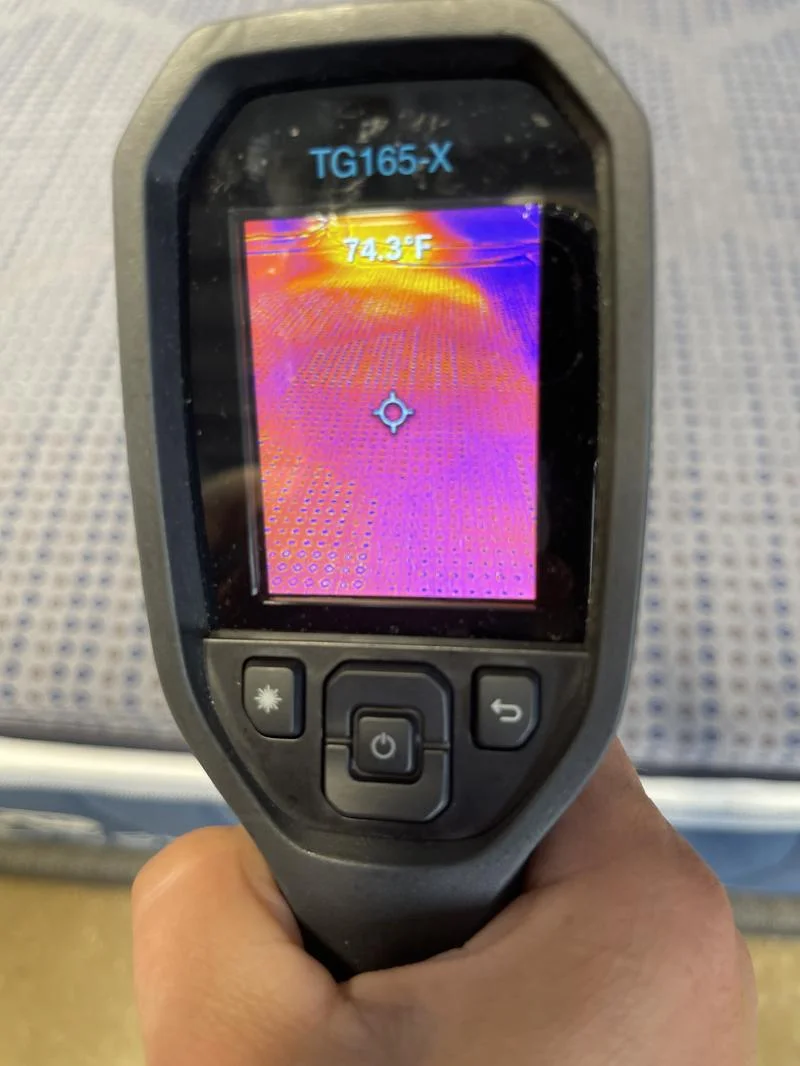
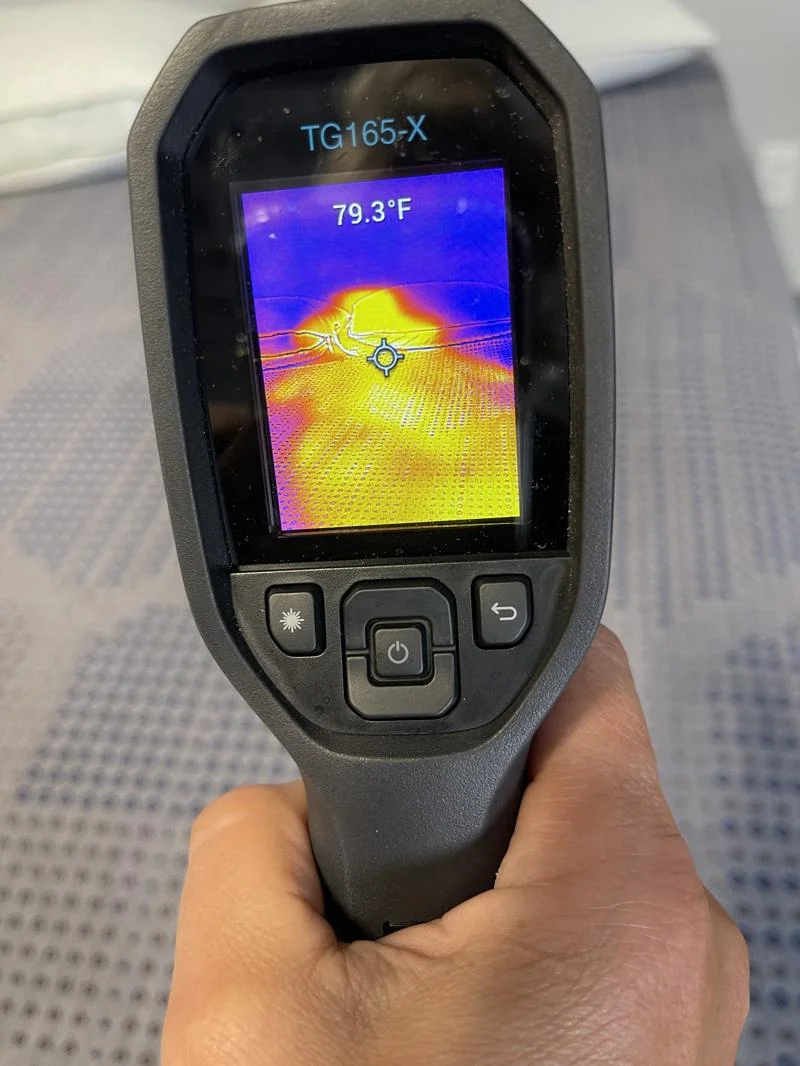
Sometimes, our objective and subjective results differ. But we ultimately rate cooling out of 5, with 4/5 and above a sign that it should be good for hot sleepers. A score of 4.5 and above indicates more active cooling.
Motion Isolation
Have you ever been woken up by your partner tossing and turning on the other side of the bed? That means your mattress doesn’t have good motion isolation. Light sleepers with a rowdy partner may want to prioritize a mattress topper that excels in this category, especially if their current bed isn’t cutting it.
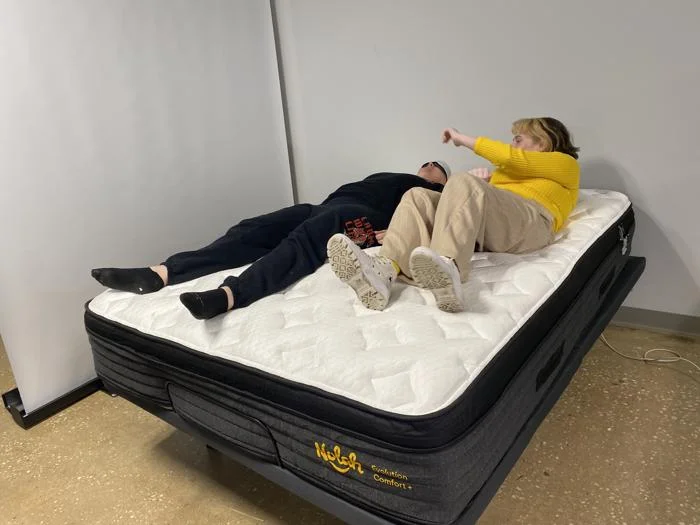
We evaluate a topper’s ability to absorb motion by having another tester hop on beside the first. As they move around, rolling, switching positions, or whatever else to mimic nightly disturbances, the other tester will determine whether they can feel what they’re doing. The less they feel, the better the motion isolation, and the higher the overall score.
Price
At the end of the day, a new mattress topper might all come down to the price tag. Before you just pick the lowest-cost option, I recommend thoroughly vetting your possible purchase. Read reviews both on and off the site and take full advantage of any sleep trials offered by the brand. Sometimes, a deal is too good to be true.
A good-quality mattress topper will often run you at least $100, but likely more. If you’d rather purchase a whole new mattress, you can check out some of our favorite beds for budget shoppers.
FAQs
What is the most comfortable mattress topper?
We love the Saatva Graphite Memory Foam Mattress Topper, but the most comfortable mattress topper will depend on your personal preference. For soft toppers, look for a balance of plushness and support, plenty of pressure relief, and durable materials.
Can mattress toppers make a bed softer?
Yes, mattress toppers can indeed make a bed softer. Depending on the one you choose, they can soften a bed up to 2 firmness points. Opt for thicker, high-quality toppers made with plush memory foam or latex for the best results.
Is plush or pillow top softer?
Plush refers to a bed’s firmness, while pillow top refers to how a mattress is constructed. A pillow-top mattress has a tufted or quilted surface and can be any firmness, though most associate them with luxury hotels. You can have a plush pillow-top mattress or a firm one, depending on the makeup of the mattress below the surface. There are even pillow-top mattress toppers if you want to add one to your mattress.
How many inches thick should a mattress topper be?
If significantly softening your mattress is the goal, we recommend going for a 3” thick mattress topper, but anything from between 2” to 4” should be acceptable. The thicker the topper is, the greater the separation between you and the mattress underneath. And if you’re sleeping on a particularly firm mattress, a thin topper won’t be able to soften your bed as much as a thicker topper will. But always take the height of your bed into account; adding 4” to an already foot-tall bed could cause problems for any existing frame.
References
- Zhao, L., Tang, J., Zhou, M., & Shen, K. (2022). A review of the coefficient of thermal expansion and thermal conductivity of graphite. New Carbon Materials, 37(3), 544–555. https://doi.org/10.1016/s1872-5805(22)60603-6
- Zhu, J., Huang, S., Xie, Z., Guo, H., & Yang, H. (2022). Thermal Conductance of Copper–Graphene Interface: A Molecular Simulation. Materials, 15(21), 7588–7588. https://doi.org/10.3390/ma15217588
- Radwan, A., Fess, P., James, D., Murphy, J., Myers, J., Rooney, M., Taylor, J., & Torii, A. (2015). Effect of different mattress designs on promoting sleep quality, pain reduction, and spinal alignment in adults with or without back pain; systematic review of controlled trials. Sleep Health, 1(4), 257–267. https://doi.org/10.1016/j.sleh.2015.08.001
- Low, F.-Z., Chua, M. C.-H., Lim, P.-Y., & Yeow, C.-H. (2017). Effects of Mattress Material on Body Pressure Profiles in Different Sleeping Postures. Journal of Chiropractic Medicine, 16(1), 1–9. https://doi.org/10.1016/j.jcm.2016.09.002